

The Bangladesh Standards and Testing Institution (BSTI) ordered eight products from four companies withdrawn from the market in July 2026 after laboratory tests found they did not meet Bangladesh Standards (BDS). Some contained more preservative than permitted; others carried micro-organisms harmful to human health. The companies were Fresh Garden Agro Resources, Kazi Food Industries Ltd, Olive Bangladesh Ltd and Deco Foods Ltd. They were told to stop producing, selling and distributing the products until their licences were renewed or re-approved, and to pull them from every distribution channel.
What the tests found
According to the state news agency BSS, a batch of mango pickle from Fresh Garden Agro Resources (batch FGMP200G0426) contained preservatives above the permissible limit. A batch (26050101A) of Kazi Food Industries' Bellisimo brand Rotondo hazelnut coated chocolate ice cream had total milk solids non-fat, the solid part of milk other than fat, above the level the standard sets.
Harmful micro-organisms were found in several skin lotions, face washes and shampoos made by Olive Bangladesh, including its Labonno brand milk skin lotion. The mango and orange soft drink powders sold under Deco Foods' Deco Fruit Funda brand contained less vitamin C than the Bangladesh standard requires.
In a statement reported by Prothom Alo, Kazi Food Industries said that after BSTI found the milk solids non-fat value of the Rotondo batch above the standard (10-11), it had applied on 2 July for the sample to be tested again.
Two days to comply, then legal action
Md Alauddin Hussain, director of BSTI's certification marks wing, told BBC Bangla the companies had been given "today and tomorrow" to take their supplies back from the shops, and that if they did not, BSTI would take legal action, with jail terms and fines. BBC Bangla noted that BSTI can suspend or cancel a licence, and that the Bangladesh Standards and Testing Institution Act 2018 allows for cases, fines and imprisonment.
BSTI's director general, Kazi Imdadul Haque, told BBC Bangla the action did not target any brand: samples had been taken at random as part of routine market surveillance. A licence is granted after one batch passes every parameter, he explained, and later batches that drift from the standard are caught in follow-up tests. He added that BSTI has offices in only 20 of the country's 64 districts and is short of staff. BSTI advised shoppers to check the certification mark, licence number, and manufacturing and expiry dates before buying.
Do recalls work?
Md Mahbub Kabir Milon, a former acting chairman of the Bangladesh Food Safety Authority, told BBC Bangla he doubted that even one per cent of the products would actually be recalled, since most would be sold and eaten. He said responsibility is split, with BSTI overseeing quality standards and the Food Safety Authority overseeing safety, which makes coordination difficult. The authority was formed in February 2015 under the Food Safety Act 2013 and sits under the Ministry of Food; BSTI, founded in 1985, is under the Ministry of Industries.
Such orders were not new. BBC Bangla reported that only the week before, BSTI had ordered three food products from three companies withdrawn over excess preservatives. On 12 May 2019 the High Court ordered 52 food products that BSTI tests had found substandard removed from the market at once; the list included mustard oil, salt, turmeric and chilli powder, ghee, noodles and soft drink powder.
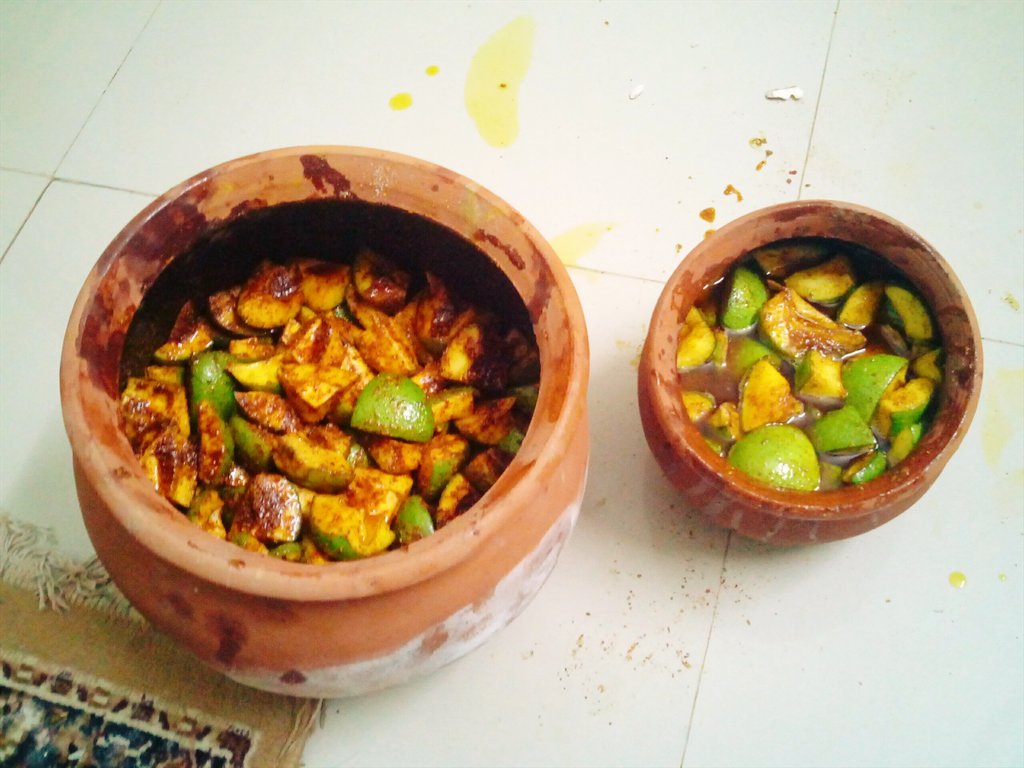
Photo: Rht bd / Wikimedia Commons (CC BY 4.0)
Sources: BBC Bangla, BSS, The Daily Star, Prothom Alo, Wikipedia



Comments
(0)