
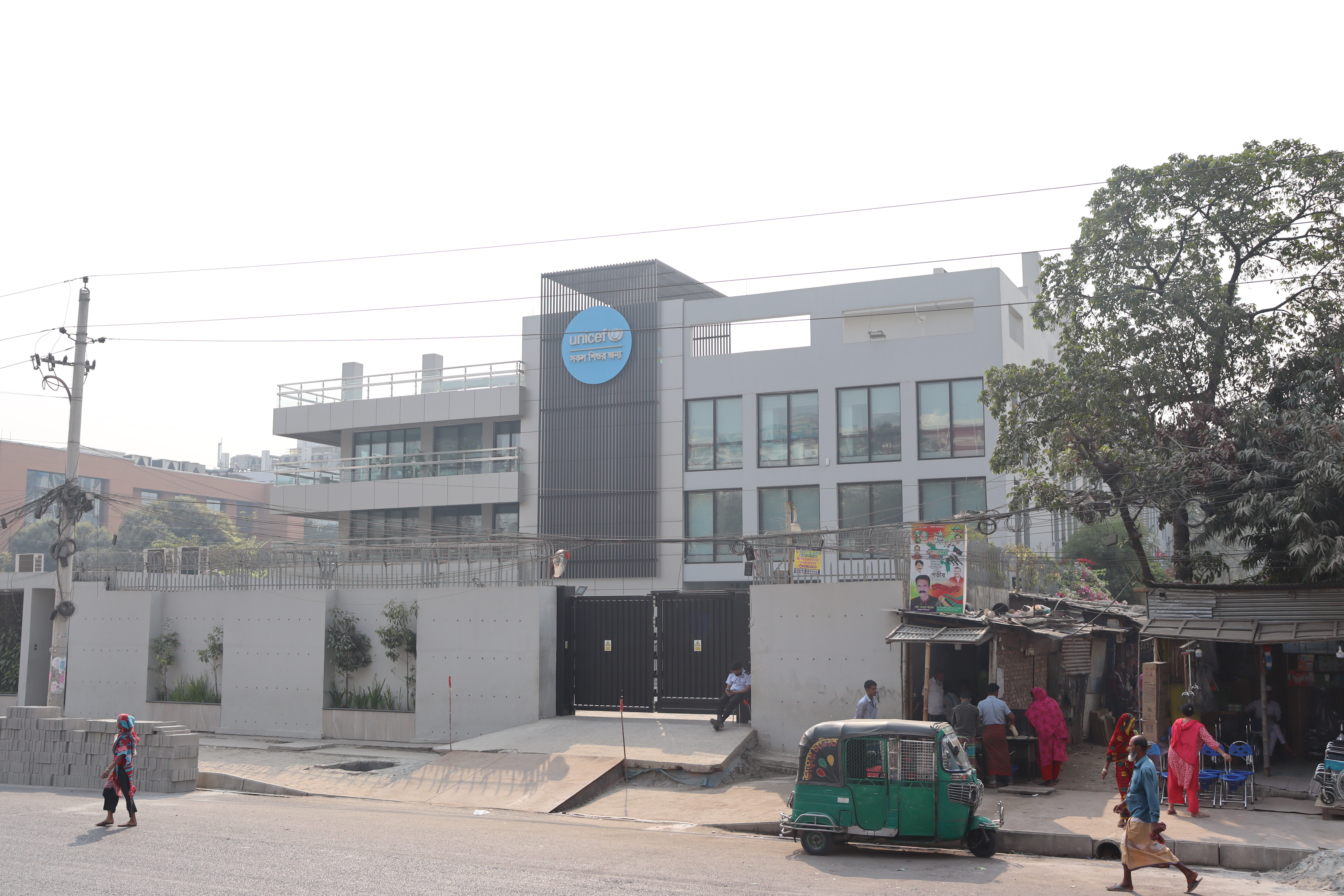
Bangladesh's national vitamin A plus campaign for children had not been held for 14 months by mid-June 2026 because there were no capsules, BBC Bangla reported on 13 June 2026. The campaign is meant to give vitamin A capsules to children aged six months to five years twice a year, but the last round took place on 15 March 2025.
Two rounds were due after that, in September 2025 and March 2026, and neither was held because of the capsule shortage. The programme is run by the Institute of Public Health Nutrition (IPHN), which works under the Directorate General of Health Services (DGHS). According to BBC Bangla, an average of 25.5 million children are covered every year.
A 10 June promise and a new date at the end of June
Health and Family Welfare Minister Sardar Md Sakhawat Hossain spoke about the shortage in public on 17 May 2026, at a seminar of the Doctors Association of Bangladesh (DAB) at the Jatiya Press Club in Dhaka. According to UNB and bdnews24.com, he said vitamin A campaigns are supposed to be held twice a year, that one was held in the first half of the previous year, that none had been held since, and that there was now a severe shortage of vitamin A capsules.
He said the government held only a small stock and that more than 10 million capsules were expected through UNICEF within five to seven days, already paid for. UNB reported that the supply was due by 10 June. BBC Bangla reported on 13 June that the capsules had not arrived by then.
Dr Mohammad Yunus Ali, director of IPHN, denied to BBC Bangla that 10 June had been the date, and said it could not be claimed that the campaign was suspended. "Efforts are going on. But there is a slight delay in getting the capsules, which is why the whole thing has been delayed a little," he said.
He said the campaign had been provisionally set for the last week of June, subject to the capsules arriving. "We have been told that the capsules will reach the country by 15 June," he said. The capsules were to come from abroad by air, and the date was chosen with a 15 June arrival in mind. "We are preparing, God willing, to do it by 27 June," Mohammad Yunus Ali said. On the day of the BBC Bangla report this was a tentative date, not a final announcement.
Why the capsules did not come: from tender to UNICEF
Mohammad Yunus Ali told BBC Bangla that the capsules used to be bought by tender under the health sector's operational plan (OP). The last operational plan of the health sector ended in June 2024. An attempt was made after that to buy the capsules by tender, but it was later cancelled. "There was a tender earlier; for some reason the ministry disagreed with that tender, and later decided to take them through UNICEF's free financing method," he said.
BBC Bangla reported that this was the first time Bangladesh had decided to buy the capsules from UNICEF. Describing an agreement with the agency, the IPHN director said the ministry chose UNICEF because if one round of capsules is bought from it, UNICEF provides another round free of cost. He said the target is set at 26 million capsules and that this is the number requested from UNICEF.
UNICEF had also spoken about the problem. In an interview with Prothom Alo published on 5 May 2026, Stanley Gwavuya, UNICEF's acting representative in Bangladesh, said the second round of vitamin A supplementation could not be held because of procurement delays. In his account, the interim government decided to explore alternative procurement for 50 per cent of vaccines from the national revenue budget, and that decision delayed procurement. He said UNICEF pre-financed about USD 18 million in 2025 to keep vaccine supplies going and had warned the government several times about the risk of stock-outs. These are the UNICEF representative's statements; the sources carry no response from the former interim government.
It was not the first time the capsules had caused trouble. Prothom Alo reported on 18 January 2019 that a vitamin A campaign had been postponed that year over quality defects: reports from about 30 per cent of the country said capsules were stuck together or showed signs of yeast contamination. That round had aimed to reach 22 million children. Abul Kalam Azad, then director general of health services, confirmed the postponement, and the ministry and the directorate set up two separate inquiry committees. The same report said a similar irregularity had arisen in 2012 over a work order.
Who is covered, and which capsule
BBC Bangla reported that the programme gives vitamin A capsules to children from six months to five years old. Infants aged six to 11 months get a blue capsule; children aged 12 to 59 months get a red one. An average of 25.5 million children are covered every year.
The last round, on 15 March 2025, was announced in a health ministry statement of 13 March reported by Desh Rupantor: it aimed to reach about 22.6 million children aged six to 59 months at 120,000 permanent centres of the Expanded Programme on Immunization (EPI). Reports from the day said more than 85,000 children were to be given capsules at 1,238 centres in Rangamati district alone.
The World Health Organization's 2011 guideline on these high-dose supplements was summarised in a table by the Community Eye Health Journal in 2013. It gives 100,000 IU of vitamin A by mouth once for infants of six to 11 months, and 200,000 IU every four to six months for children of 12 to 59 months. WHO recommends this where vitamin A deficiency is a public health problem: where night blindness affects 1 per cent or more of children aged 24 to 59 months, or deficiency affects 20 per cent or more of children aged six to 59 months. The same article says the recommended doses cause no significant side effects; trials found uncommon, mild and passing symptoms such as irritability, headache, fever, diarrhoea, nausea and vomiting.
The capsules are given at designated centres by trained staff. Before a round in June 2023 the then health minister set out some rules at a press conference, reported by the Daily Inqilab: capsules must not be given by force or to a crying child, and must not be given to children under six months, over five years, or who are ill. Parents with questions about a particular child are expected to ask a doctor or the health worker at the centre.
The campaign carries more than vitamin A. A 2016 review by Ahmed and colleagues in the Journal of Nutritional Science says that deworming children aged 24 to 59 months with albendazole, part of the country's anaemia-control programme, is done during the twice-yearly vitamin A campaign. The same review put capsule coverage at 85.4 per cent for infants of six to 11 months and 93.7 per cent for children of 12 to 59 months, with no marked difference between towns and villages. Public health expert Dr Mushtaq Hossain told BBC Bangla: "Along with vitamin A there was something else, which is giving deworming medicine. If worms eat up a child's nutrition, that can also be a cause of malnutrition. So deworming medicine must be given along with the vitamin A campaign."
Five decades of the programme: from night blindness to immunity
BBC Bangla reported that children began receiving vitamin A capsules in 1974, under a programme to prevent night blindness. A health ministry statement of March 2025 said that after independence 4.10 per cent of children in the country had night blindness, and that blindness caused by vitamin A deficiency later fell below 1 per cent. The ministry said vitamin A helps cut the death rate of children under five by about a quarter and contributed to reaching the fourth Millennium Development Goal, on child mortality.
National surveys trace the change. According to the Journal of Nutritional Science review, a national survey in 1982-83 found night blindness in 2.8 per cent of preschool children in towns and 3.8 per cent in villages, 3.7 per cent overall; by 2005 it had fallen to 0.04 per cent. The 1997-98 national vitamin A survey found night blindness in 0.62 per cent of children aged six to 59 months, and vitamin A deficiency, measured by blood retinol, in 21.7 per cent. The review says vitamin A deficiency has been recognised as a serious public health problem in Bangladesh since the 1960s.
In June 2023 the then health minister said that giving the capsules regularly twice a year since 2010 had brought night blindness among children down to 0.04 per cent and had cut child deaths from all causes by 24 per cent. That figure matches international evidence: a systematic review cited by Ahmed and colleagues found that vitamin A supplementation of children aged six to 59 months reduced deaths from all causes by 24 per cent and deaths from diarrhoea by 28 per cent.
The programme kept going through the pandemic. UNICEF reported on 31 December 2020 that the October 2020 round was spread over 12 days instead of one to avoid crowds, and reached 20.8 million children aged six months to five years, 97 per cent of a target of more than 21 million. Over 120,000 centres took part and UNICEF supplied 360,000 masks for health workers and volunteers. According to a UNB report carried by Prothom Alo on 23 December 2020, progress at 14,000 centres was tracked in real time by mobile phone, so that supplies could be moved quickly where capsules ran short. Tomoo Hozumi, then UNICEF's representative in Bangladesh, called it an important win for the country's children.
How much vitamin A deficiency Bangladesh has
BBC Bangla noted that vitamin A, vitamin D, vitamin E, zinc, iron and iodine are known as micronutrients: the body needs them in very small amounts, but even a small shortfall can cause serious problems. Bangladesh's first national micronutrient survey was carried out in 2011-12 and the second in 2019-20, with results released in October 2022.
The first survey found vitamin A deficiency in about one in five preschool children; the Journal of Nutritional Science review gives 20.9 per cent for children aged six to 59 months. Among women who were neither pregnant nor breastfeeding the rate was 5.4 per cent, though nearly a third of them had below-optimal vitamin A levels. The review says deficiency was highest among children living in slums.
The second survey's results were presented at an event organised by National Nutrition Services of IPHN, under the DGHS, and icddr,b; the survey's principal investigator was icddr,b scientist Aliya Naheed. According to The Financial Express of 30 October 2022, it found moderate vitamin A deficiency in 7 per cent of children under five. Among the same children, 31 per cent were short of zinc, 20 per cent of iodine, 15 per cent of iron and 22 per cent of vitamin D, and 21 per cent had mild to severe anaemia. Compared with the first survey, the children's vitamin A, zinc and vitamin D status had improved, while iron status had worsened.
The review also points to a limit of the capsules. A high-dose capsule every six months raises blood retinol only briefly, for about two months, so while it protects the eyes from the severe, clinical forms of deficiency it cannot prevent mild to moderate deficiency for the full six months. Poverty, living in a slum, little knowledge of vitamin A-rich foods, low intake of animal-source foods and the poorer absorption of vitamin A from plant foods are named as causes of deficiency. The authors argue for regular intake through food and fortification, but say replacing capsules with food alone is not immediately feasible while vulnerable people lack access to enough vitamin A-rich food.
A gap during a measles outbreak
The pause came while the country was in the grip of a large measles outbreak. In a Disease Outbreak News report published on 23 April 2026, the World Health Organization said Bangladesh had notified it on 4 April of a nationwide rise in measles, with cases in 58 of 64 districts and in all eight divisions. Between 15 March and 14 April there were 19,161 suspected and 2,897 laboratory-confirmed cases and 166 suspected measles-related deaths. Of the cases, 79 per cent were children under five. WHO assessed the national risk as high.
The same report said measles-rubella vaccine coverage had dropped because of a nationwide stock-out of the vaccine in 2024-2025, and that the absence of regular nationwide measles-rubella campaigns since 2020 had added to the number of susceptible children. It said vitamin A was being given to all suspected and confirmed measles cases as an essential part of standard treatment. A measles-rubella vaccination campaign began in priority districts on 5 April and across the country on 20 April.
Citing DGHS figures, bdnews24.com reported on 17 May 2026 that 459 children had died with measles or measles-like symptoms in the 63 days since 15 March. At the seminar that day the health minister said he had visited several hospitals and seen many children with measles suffering from pneumonia because of nutritional deficiencies. He stressed breastfeeding and proper nutrition.
Public health experts warned through BBC Bangla that disrupting the campaign could affect children's immunity, eyesight and nutrition. Dr Mushtaq Hossain said: "Night blindness is gone, it has been eliminated. Giving this alongside the EPI vaccination has been raising their immunity. If it is not given now, there is a risk of night blindness, malnutrition and measles infection." He said the vitamin A campaign was started to end night blindness. On the measles deaths he said: "For one thing there was no measles vaccine. On top of that, the vitamin A that boosts immunity was not there either. So those who got measles were slow to recover, or many could not recover. They died of pneumonia or other complications."
What vitamin A does in the body
MedlinePlus, the health information service of the US National Institutes of Health, says vitamin A helps form and maintain healthy teeth, skeletal and soft tissue, mucous membranes and skin, and promotes good eyesight, especially in low light. Without enough of it there is a greater risk of eye problems such as night blindness, which can be reversed, and of xerophthalmia, damage to the cornea that cannot be reversed.
BBC Bangla's report listed, on the word of public health experts and doctors, the roles the capsule plays in a child's body:
- It helps eyesight and prevents night blindness.
- It strengthens immunity, protecting the child from a range of infections.
- It helps physical growth and a healthy weight.
- It lowers the risk of diarrhoea, measles and other infections.
- It helps protect the skin.
- It helps prevent anaemia.
MedlinePlus also warns that more vitamin A than the body needs can build up and cause serious health problems. That is why the high-dose capsules are given at the national programme's centres; parents with questions about a child's nutrition or any supplement should see a doctor.

Vitamin A in food and cooking oil
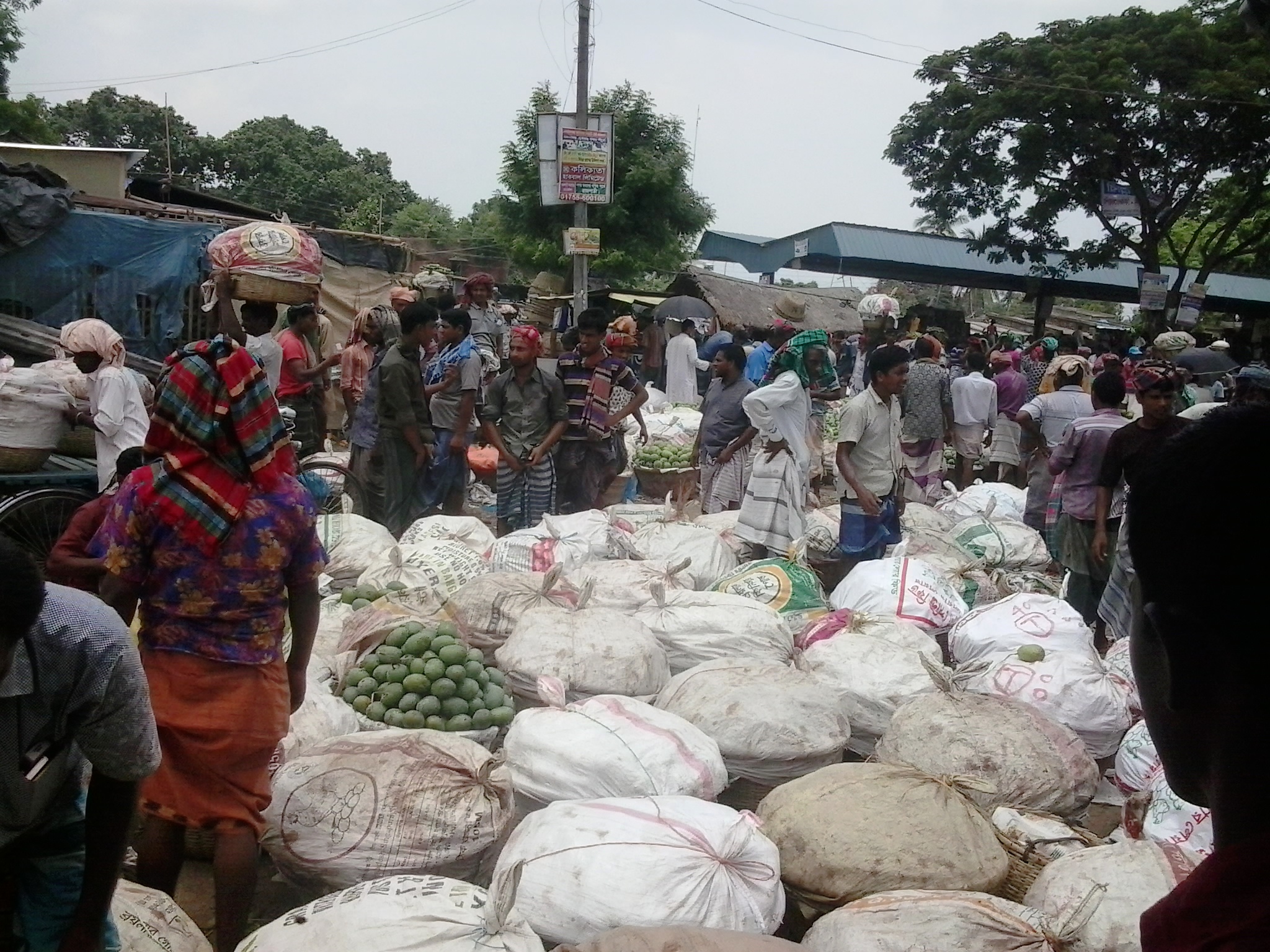
MedlinePlus says preformed vitamin A is found in animal products such as meat, fish, poultry and dairy foods, while fruits and vegetables carry provitamin A, most commonly beta-carotene. Its list of sources includes liver and other organ meats, some fish and fish oils, eggs, cheese and fortified milk, carrots, sweet potatoes, mangoes, cantaloupe, broccoli, spinach and dark green leafy vegetables.
Bangladesh has also turned to fortified cooking oil. According to the Journal of Nutritional Science review, fortification of edible oil with vitamin A began in December 2011, when 16 of the country's 22 refineries were producing fortified oil. The Vitamin A Enrichment in Edible Oil Act, 2013 (Act No. 65 of 2013) then made vitamin A compulsory in refined edible oil. BBC Bangla reported that the law provides for imprisonment and fines for marketing edible oil without vitamin A.
Gaps in enforcement had been reported before. At a workshop held by PROGGA and the National Heart Foundation at the BMA Bhaban in Dhaka in January 2024, reported by the Daily Ittefaq, speakers presented a 2017 icddr,b study: 65 per cent of edible oil was sold from drums, 59 per cent of that drum oil had no vitamin A, 34 per cent had too little, and only 7 per cent met the legal minimum. Speakers said the industries ministry had ordered an end to the sale of loose soybean oil in drums after July 2022 and loose palm oil after December 2022, but the order had not been carried out effectively. At a further workshop on the subject in November 2025, bdnews24.com reported, speakers said drum oil was still on sale and that oil should be kept in opaque bottles because light quickly destroys vitamin A.
The institutions behind the programme
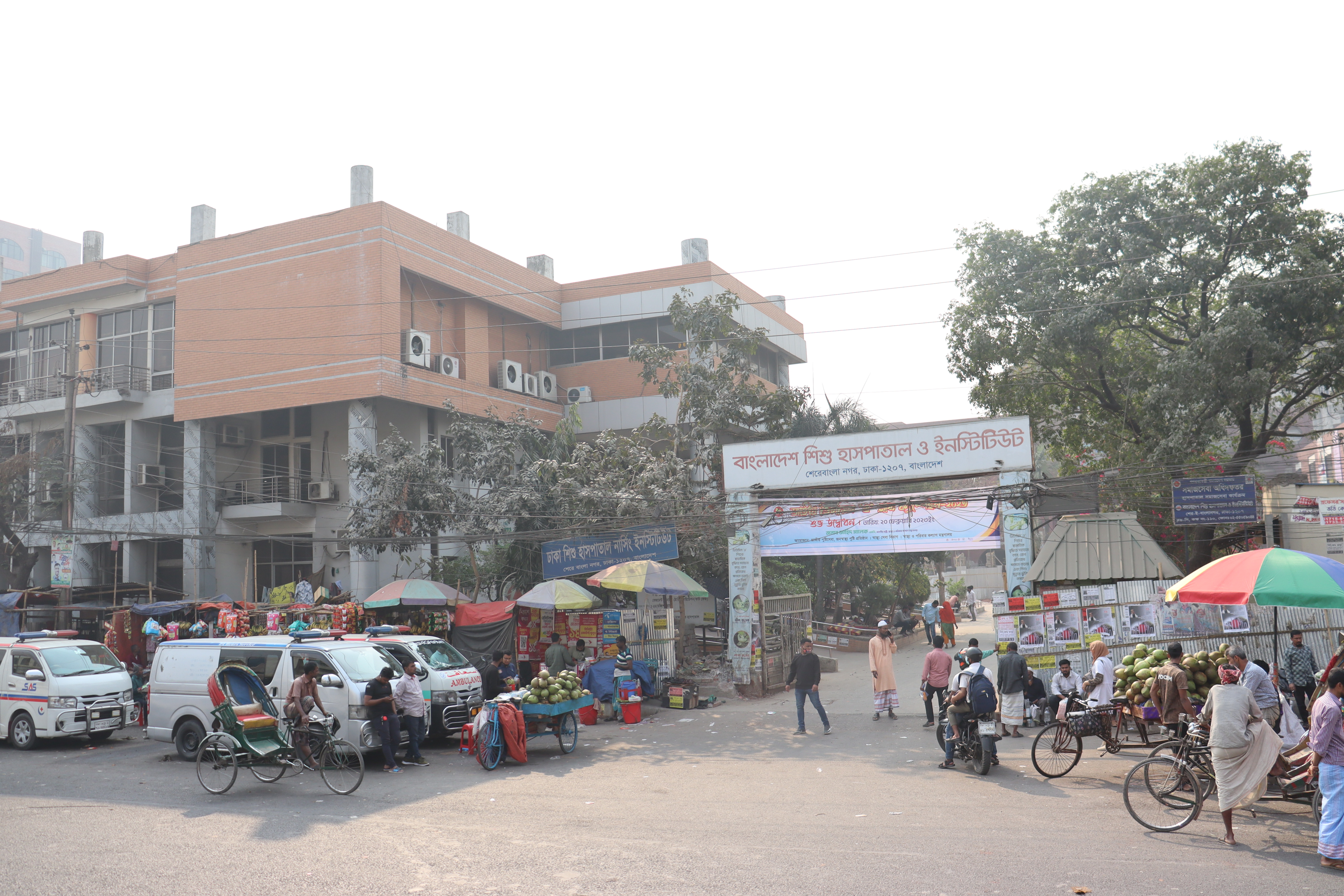
The national vitamin A plus campaign is carried out by the Institute of Public Health Nutrition, which works under the DGHS and also runs the country's National Nutrition Services. UNICEF's 2020 report says the Government of Bangladesh normally holds two national vitamin A campaigns a year, with UNICEF's support. The capsules are given at the EPI's regular vaccination centres, where children also receive their routine vaccines.
The International Centre for Diarrhoeal Disease Research, Bangladesh (icddr,b) worked with the government on the 2019-20 national micronutrient survey, which was led by one of its scientists. BBC Bangla reported that the event launching the 2019-20 results was organised by icddr,b and the national nutrition programme together with international bodies including the World Health Organization and Nutrition International. In June 2026 the question facing these institutions was when, after a 14-month gap, the capsules would again reach the roughly 25 million children the programme serves.
Photo: Wasiul Bahar / Wikimedia Commons (CC BY-SA 4.0)
Sources: BBC Bangla, UNB, bdnews24.com, Prothom Alo, World Health Organization, UNICEF Bangladesh, Desh Rupantor, Daily Inqilab, The Financial Express, Daily Ittefaq, Journal of Nutritional Science, Community Eye Health Journal, MedlinePlus, UNEP Law and Environment Assistance Platform


Comments
(0)