
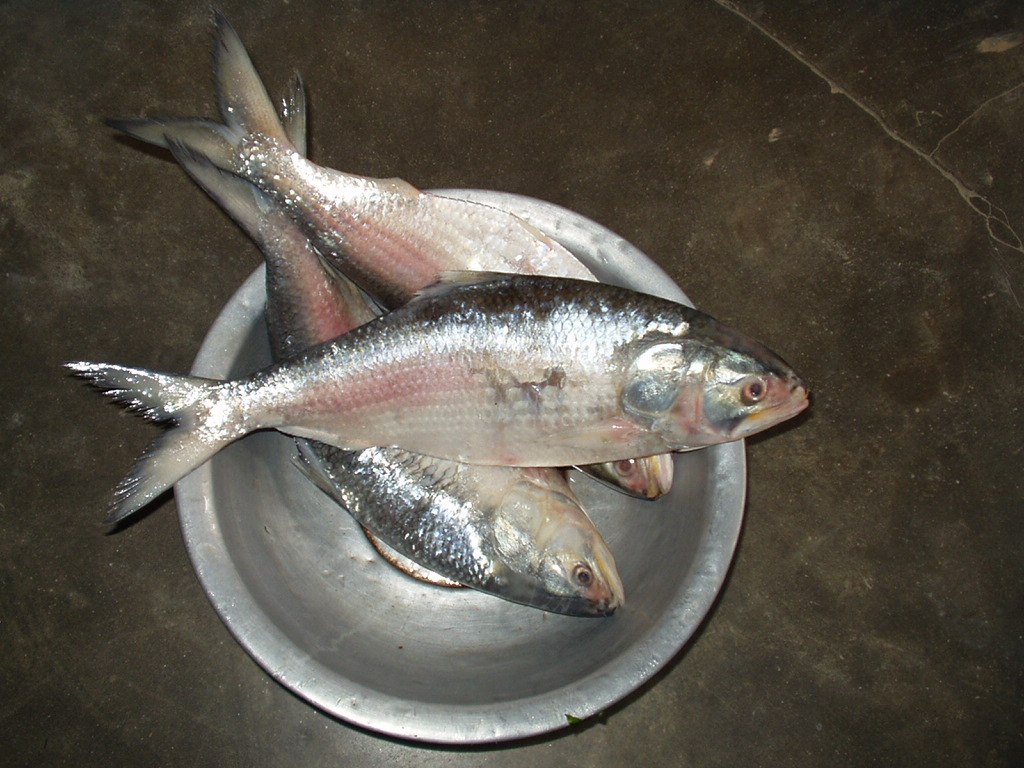
Fishing bans during the 22-day breeding season and for months to protect jatka helped Bangladesh more than double its hilsa production over two decades. But output has fallen in each of the last two fiscal years. Reporting from Chandpur for Bangla Tribune, Ibrahim Roni asks whether the gains from the bans are being held.
Department of Fisheries figures put hilsa production at 255,839 tonnes in 2003-04, rising to 571,342 tonnes in 2022-23. Then the trend broke: output fell 7.33 per cent to 529,487 tonnes in 2023-24, and to 500,000 tonnes in 2024-25.
Enforcement is the first question. On 15 days of the 22-day ban that began on 8 October, the reporter toured Chandpur's riverbanks and found that the task force of river police, coast guard, district administration and fisheries staff could cover only a small part of the vast river; fishers went out whenever they could and nets were everywhere. Without enough funds, round-the-clock patrols were impossible, and in some places those running the drives were accused of helping the fishing. District fisheries officer Md. Kamrul Islam says they are doing what they can with limited means and that fishers must also play their part.
Dr. Tayefa Ahmed, chief scientific officer at the Bangladesh Fisheries Research Institute's riverine centre, says September was once the key breeding month but climate change has shifted it, so data analysis moved the ban to October, around one new moon and one full moon. River pollution, fishing in defiance of the ban and climate effects are now hurting production, she says.
Former institute chief scientific officer and hilsa researcher Dr. Anisur Rahman says hilsa spawn most at full moon but also heavily at new moon, so fishing should stop for 22 days from two days before whichever comes first in early October. Without letting hilsa spawn, he says, there will be no hilsa in future, just as there is no harvest without sowing; but enforcement has faltered in recent years, and there are other causes of the decline.
Researchers list those causes as river pollution, changes in chars and submerged shoals, unplanned sand extraction by hundreds of dredgers, and fishing during the bans. Declaring bans is not enough, they say: they must be enforced, and the hilsa's migration routes and breeding grounds protected. The eight-month jatka ban that began on 1 November is the next test.
Photo: Mamun2a / Wikimedia Commons (CC BY-SA 2.5)
Source: Bangla Tribune

Comments
(0)