
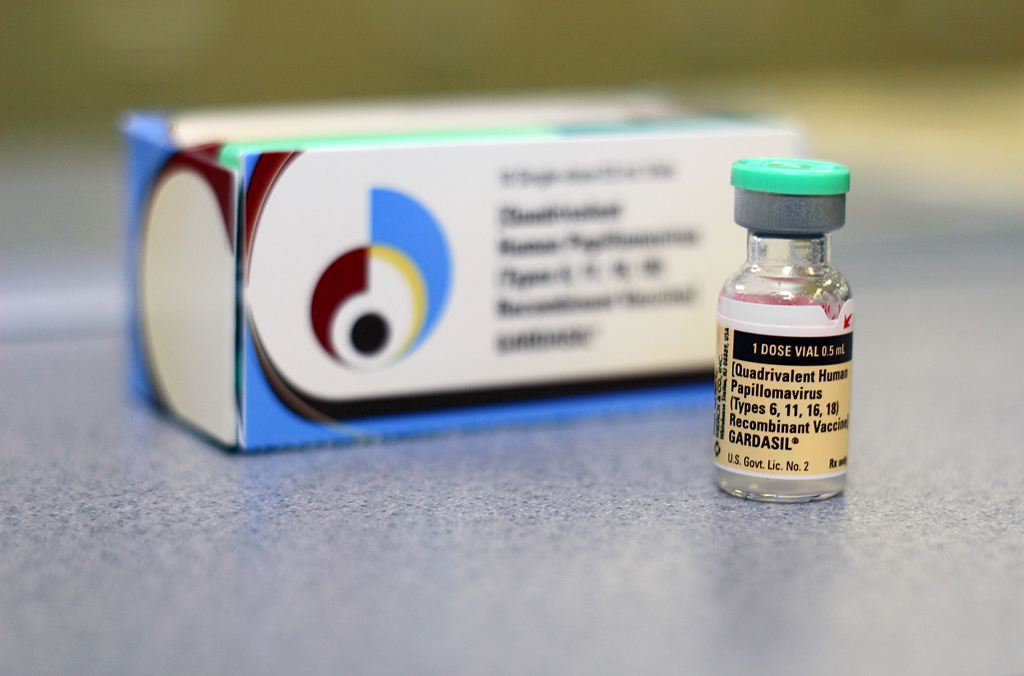
The World Health Organization's Strategic Advisory Group of Experts on immunisation (SAGE) has told countries they may consider routinely vaccinating girls aged 4 to 8 against human papillomavirus (HPV), provided it would raise uptake and coverage. SAGE chair Anthony Scott announced the advice on Tuesday.
Scott said about 165 countries now have HPV vaccination programmes, but global coverage is only 33 percent, far below the WHO's 90 percent target. Girls aged 9 to 14 remain the priority, and after reviewing the latest evidence SAGE concluded that a single-dose programme for them is the most effective way to reach the global goal. In 2022 SAGE had recommended one or two doses for ages 9 to 14 and 15 to 20, and two doses six months apart for women over 21.
SAGE also set out an order for expanding programmes: catch-up vaccination for women up to 25 who missed their doses, then women up to 30, routine vaccination of boys aged 9 to 14, and catch-up for men up to 20. Kate O'Brien, head of immunisation at the WHO, said more than 95 million girls had received HPV vaccine by the end of 2025, and eight HPV vaccines had been approved by then.
Persistent HPV infection is a leading cause of cervical cancer. WHO figures show about 604,000 women were newly diagnosed and about 280,000 died of it worldwide in 2024; it is the fifth most commonly diagnosed cancer in women. In 26 countries, most of them in sub-Saharan Africa, it is the leading cause of cancer death among women, as it is in parts of South and Central America, Melanesia and Southeast Asia.
Photo: Jan Christian / Wikimedia Commons (CC BY-SA 2.0); HPV vaccine
Source: samakal

Comments
(0)