
Sepsis is the body's abnormal, uncontrolled response to an infection. In fighting the infection, the immune system itself disrupts organs such as the kidneys, lungs, heart and brain; without prompt treatment it can lead to multiple organ failure, septic shock and death. A medicine specialist at Unico Hospital on Green Road, Dhaka, explains the condition in Prothom Alo.
Sepsis can follow a complicated bacterial, viral or fungal infection. Pneumonia is one of the commonest causes; kidney or urinary tract infections, abdominal infections such as peritonitis and appendicitis, cellulitis, infected wounds, meningitis, and infections after surgery or from catheters can also lead to it. The elderly, newborns, pregnant women, people with diabetes, cancer, kidney or liver disease and anyone with weak immunity are at greater risk.
According to the writer, sepsis can be presumed when an infection comes with any two of these: a temperature above 100.4°F or below 96.8°F, a heart rate above 90 a minute, or breathing faster than 20 a minute. Signs that organs are failing include severe confusion or incoherent speech, falling urine output, severe breathlessness and low blood oxygen, jaundice, a rapid fall in platelets, and systolic blood pressure below 90 mm of mercury. The most dangerous stage is septic shock, when fluids alone cannot restore blood pressure.
Sepsis is a medical emergency needing hospital care, in intensive care if necessary. Suspected bacterial sepsis calls for prompt intravenous antibiotics, adjusted once blood culture results are known; fluids for low blood pressure, oxygen or ventilation for low oxygen, and drugs such as noradrenaline if fluids fail. Draining pus, removing infected catheters or surgery to control the source, and constant monitoring are also part of treatment.
Prevention rests on avoiding infection and treating it early: washing hands with soap and water for at least 20 seconds before eating, after the toilet and after coughing or sneezing; cleaning cuts and keeping them bandaged until healed; getting influenza and pneumonia vaccines on time; keeping diabetes and kidney or lung disease under control; never taking antibiotics without a doctor's advice, and finishing the course. Shivering, fever, severe pain or breathlessness should send you to a doctor without delay, the writer says.
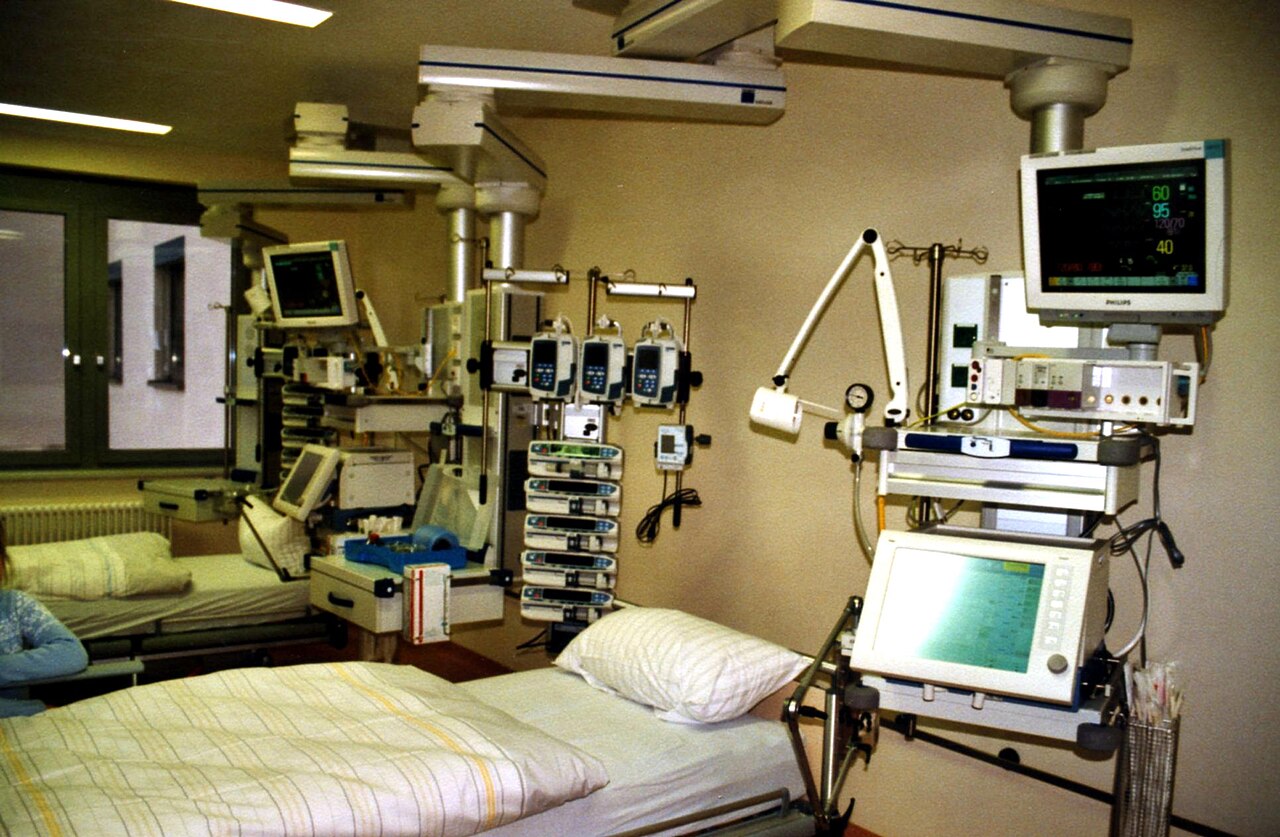
Photo: Norbert Kaiser / Wikimedia Commons (CC BY-SA 2.5); a representative picture of an intensive care unit
Source: Prothom Alo

Comments
(0)