
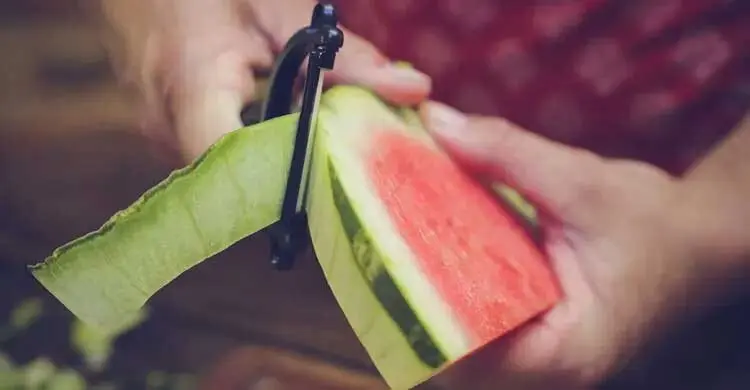
Do you throw the rind straight into the bin after eating watermelon? Almost all of us do. But a little awareness shows that what we consider useless can be a very beneficial food.
Watermelon rind is in fact full of nutrients, including fibre, vitamins A, C and B6, potassium and important amino acids. Kept in the regular diet, it can help keep the heart healthy, aid digestion and even help care for the skin. It can be eaten in many ways: in smoothies, pickles, salads or curries.
The benefits
The rind contains plenty of insoluble fibre, which helps keep digestion normal. It gives a feeling of fullness for longer, reducing the tendency to overeat, and can be a simple, natural aid for those trying to control their weight.
The white part of the rind contains about 60 percent more citrulline than the red flesh. Citrulline helps improve blood circulation, keep blood pressure under control and reduce muscle pain after exercise, so it is especially useful for people who exercise or have high blood pressure.
The rind is an important source of vitamins A and C, which boost immunity, keep the skin healthy and act as antioxidants, helping the body fight harmful substances.
Citrulline in the rind turns into arginine in the body, which improves blood vessel function. This keeps circulation normal and reduces strain on the heart, and eating it regularly may help lower the risk of heart disease.
The rind also contains useful compounds such as chlorophyll and lycopene, which help reduce inflammation and fight oxidative stress. Antioxidants are important in the daily diet, and watermelon rind can be an easy source.
So next time, think twice before throwing the rind away after eating watermelon. A little awareness can make your diet more nutritious.
The information is drawn from Verywell Health.
Source: Jagonews24. First published in Bengali on The Agro News.


Comments
(0)