
Strict retailer standards, knowledge gaps and policy uncertainty are holding back integrated pest management (IPM) in UK fresh produce, according to a University of Warwick study reported by AgNavigator. The research, based on interviews with 24 key players including growers, agronomists, retailers, policymakers, researchers and crop-protection companies, identified 10 connected barriers.
IPM combines crop and habitat management, monitoring, biological controls and targeted pesticide use when necessary, with the aim of cutting reliance on pesticides while improving crop resilience.
A major obstacle is appearance. Expectations for blemish-free fruit and vegetables can make growers reluctant to leave routine spraying even when they are interested in alternatives. Many see any change as a commercial risk, since a fall in quality could cost them market access.
Other barriers include differing views of what IPM means between crops, which makes a single strategy or target hard to set; uncertainty over pesticide targets, trade deals and government policy; and the lack of any effective system to encourage, benchmark or track adoption.
Participants also reported gaps in practical knowledge on crop monitoring, pest thresholds, catch crops and biopesticides, underinvestment in research, and weak links between growers, researchers and advisers. Competition can discourage growers from sharing what they learn, and training and advice have not kept pace with the complexity of modern crop protection.
Interviewees pointed to the closure of AHDB Horticulture in 2022 as a major setback that left a gap in sector-wide support.
“IPM has to work within the realities of each crop and production system,” said lead researcher Professor Rosemary Collier. Growers, she said, need reliable information on what works and support to test new approaches “without taking unacceptable risks to crop quality or supply”.
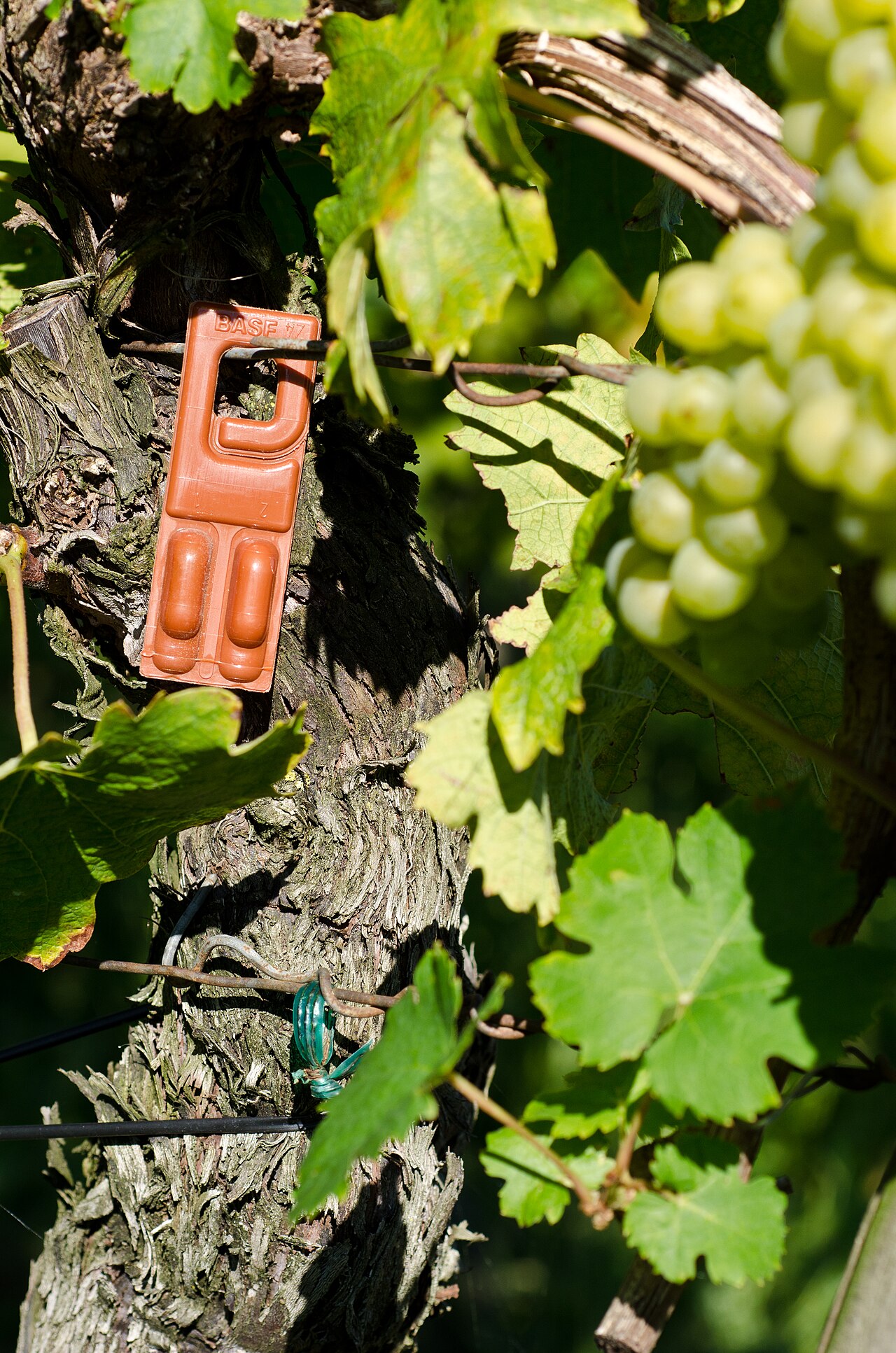
Photo: Dietrich Krieger / Wikimedia Commons (CC BY-SA 3.0)
Source: AgNavigator



Comments
(0)