
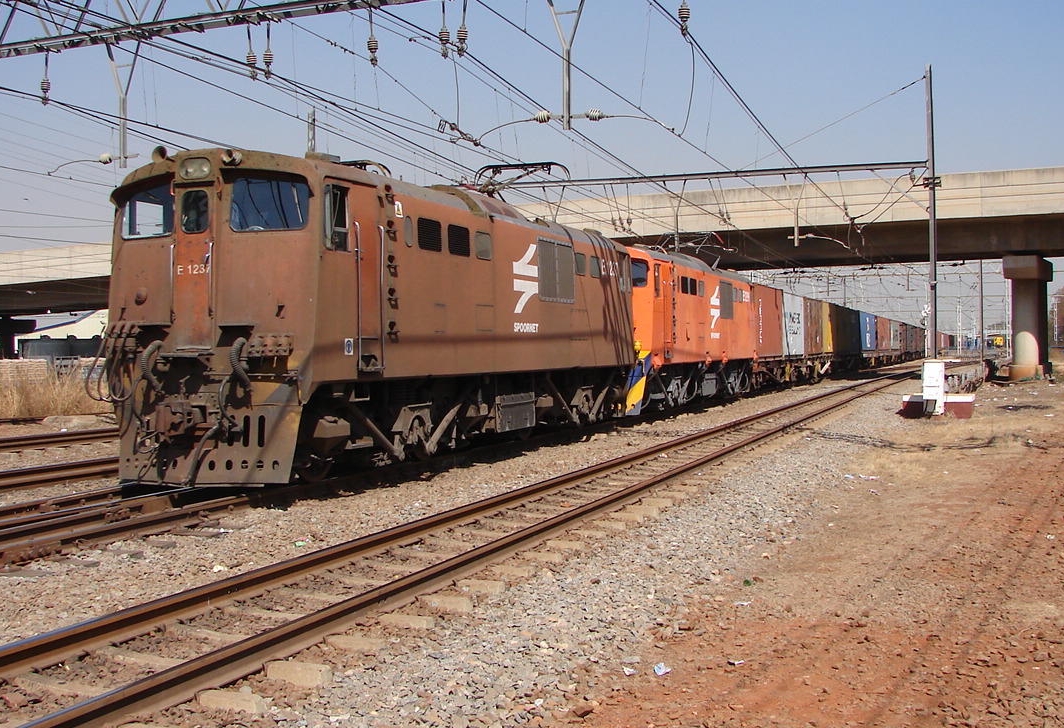
Nearly 80% of South Africa’s agricultural goods have shifted from rail to road, putting pressure on road infrastructure and raising transport costs for producers, Agbiz CEO Theo Boshoff told the Agricultural Development Agency (Agda) congress in Boksburg, Food for Mzansi reports.
Boshoff said farming has outgrown the wider economy over the past decade, which makes efficient logistics and exports more important. He pointed to reforms under Operation Vulindlela, including an independent rail infrastructure manager, open access to the rail network and public-private partnerships at ports, and to 94 rail lines identified for possible transfer to private operators.
Dr Hubert Joint of Infrastructure South Africa said his organisation helps prepare and prioritise projects, not fund them. With AgriSA and Agbiz it assessed more than 5,000 rural roads in the Free State, using economic models to judge their importance for routes to silos, factories and export markets.
On livestock, Dr Philip Oosthuizen of Red Meat Industry Services said market access takes more than repaired roads. Farmers selling one or two animals at a time are often limited to local buyers and have little bargaining power. “The idea is rather to market in groups,” he said, so that feedlots, abattoirs and auction houses come to buy larger numbers.
He also highlighted traceability, particularly given current animal disease challenges. Digital records of animal identification, vaccination status and genetic potential could build buyer confidence and make transport easier to coordinate.
The speakers’ shared argument was that road, rail and market reforms together could connect small and emerging producers to formal value chains.
Photo: Col André Kritzinger / Wikimedia Commons (CC BY-SA 3.0)
Source: Food for Mzansi

Comments
(0)