
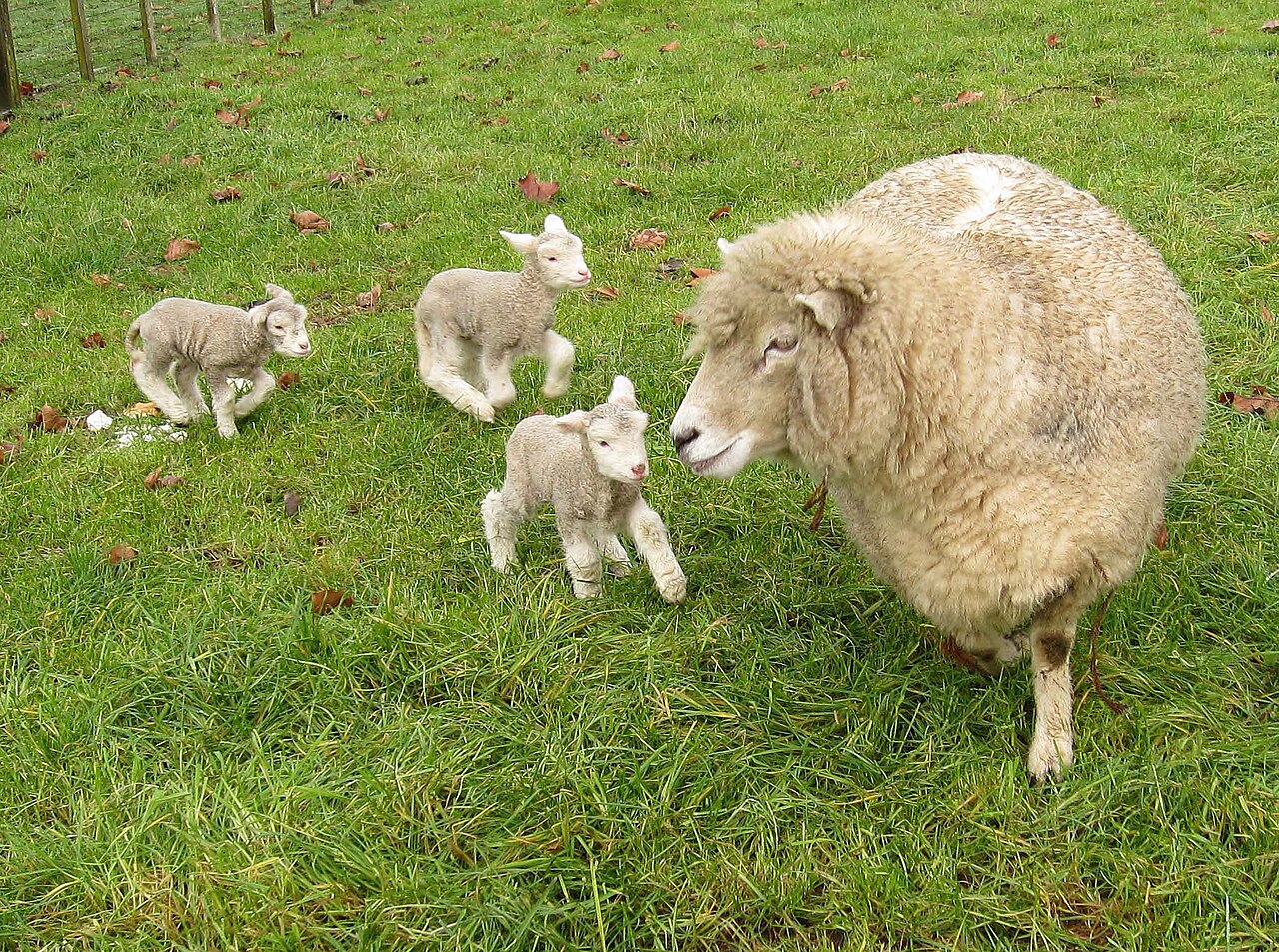
Two wandering dogs from a neighbouring property killed 43 lambs on Glenburn Station in rural Wairarapa, New Zealand, in June, and four more were so badly hurt they had to be put down, with one lamb still missing, Farmers Weekly NZ reports from Local Democracy Reporting. Station manager Lachie McFadzean called it a scene no farmer wants to see and a reminder of the importance of responsible dog ownership.
The dogs had been missing from home for about three days when they were found and shot on the station. "You could see by the wounds it had been going on for a few days," McFadzean said. "Lambs were chased into gullies and killed, drowned in the mud." The owner, he said, knew the dogs were missing and later told him he had heard them barking.
Carterton District Council prosecuted the owner under the Dog Control Act 1996 and, according to a report to the council, he was found guilty on all charges. He was ordered to pay Glenburn Station NZ$5,000 for its financial losses, including insurance-related costs, and a further NZ$2,000 for emotional harm. The council called it one of the more serious dog-control cases it has taken in recent years and says its officers are seeking the maximum statutory period of disqualification from owning dogs.
The losses go beyond the dead animals. The surviving lambs of the 120-strong mob are no longer fit to be sold as store lambs, so they will be fattened on the station and are likely to be worth significantly less as an end product. Insurance covered only the lambs that died, at their present market value of NZ$200 each rather than what they would have been worth.
McFadzean's advice to rural dog owners is simple: "If you lose your dogs, go looking for them. If you can't find them, alert your neighbours. If you can't look after them, don't have them." Solitaire Robertson, the council's planning and regulatory services manager, urged people to report roaming dogs early and confidentially, so that patterns are caught before they lead to a serious attack. The report is by Emily Ireland.
Photo: Pam / Wikimedia Commons (CC BY 2.0)
Source: Farmers Weekly NZ

Comments
(0)