
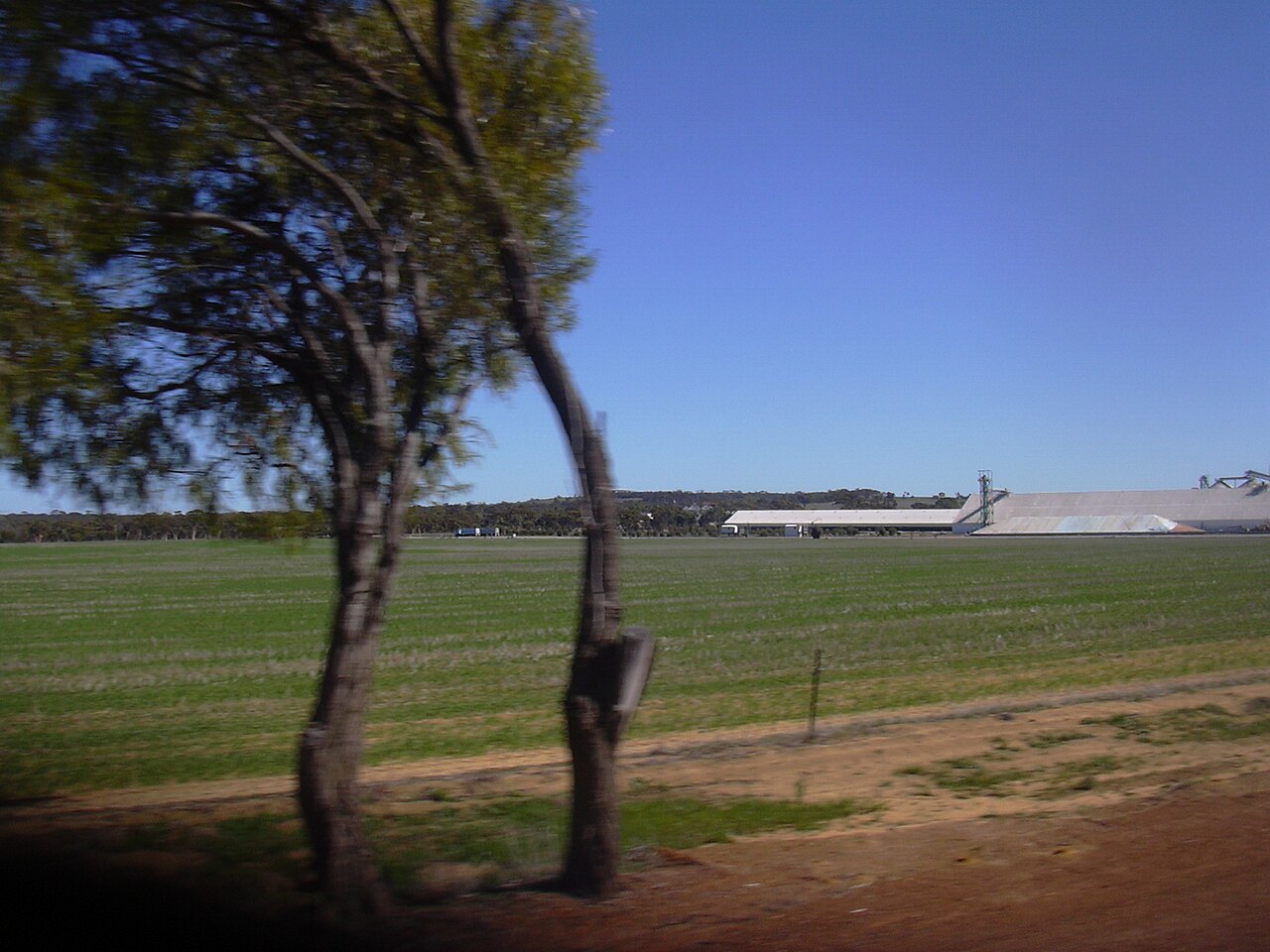
A weather system that formed in Western Australia's north moved south over the weekend and dropped much-needed rain on the state's south, with some gauges recording almost 100 millimetres, after a dry winter that included one of the driest Julys on record in the South West Land Division, ABC Rural reports.
Kalgoorlie-Boulder in the Goldfields recorded four times its normal September rainfall, and runoff filled dams across the South West Land Division.
For Bremer Bay grain and beef farmer Peter Buckenara it was the most rain of the year, and after 48 hours of constant rain it both helped and harmed his crops. "Unfortunately, the oats are lodged or fallen over, so it means they'll either have to be swathed, or we'll try and pick it up with a harvester off the ground," he said, adding that his canola and wheat still looked fine.
With the grain harvest approaching, Buckenara said he hoped for a break to let paddocks dry. He was due to start cutting hay early this week but would delay because the ground was too wet, and expected to be about a week from swathing. Grain harvested wet can clog machinery and spoil.
About 200 kilometres north, farmers said much of the rain fell around rather than on their properties. Gnowangerup farmer Timm House received 2mm on one property and 19mm on another after a year in which his area had had only about 200mm. "Wherever that fell will pretty much, barring no other issues, get us an average yield," he said, adding that he would welcome more.
Bureau of Meteorology meteorologist Grace Abbott said the system had largely dissipated, with light to moderate rain on the south coast on Monday and Tuesday, a cold front on Wednesday bringing 1 to 5mm and isolated falls of 10mm, and drier conditions later in the week. The report is by the ABC's Andrew Chounding.
Photo: Gabriele Delhey / Wikimedia Commons (CC BY-SA 3.0)
Source: ABC Rural

Comments
(0)