
Plant-based food companies will struggle to make money unless they find valuable uses for everything left over after protein is extracted, a three-year research project led by the VTT Technical Research Centre of Finland has concluded, Green Queen reports.
The Rethink project, backed by a EUR 3 million grant from Business Finland, brought VTT together with seven Finnish food companies: Anora, Apetit, Fazer, Helsingin Mylly, Raisio, Valio and Viking Malt. It ended last month with several new ingredient processing methods.
Making plant ingredients means processing crops such as oats and fava beans. Current business models focus on the protein, the report explains, so much of the crop's value goes unused: when protein is taken from peas for meat alternatives, the carbohydrate-rich remainder often ends up as low-value animal feed. "It is especially critical to find the high-value use cases for carbohydrate-rich fractions, as they often comprise the largest share of the raw material," said VTT's Emilia Nordlund, who led the project. She suggested looking beyond food, for example to cosmetics.
Among the results, VTT patented a new way to concentrate oat dietary fibre, beta-glucan, so that it can be added to drinks without making them thick. Its researchers also developed a pre-treatment for protein separation that prevents the off-flavours common in legume ingredients. Viking Malt and Valio together made an ingredient from germinated fava bean protein granules for plant-based and blended meat products.
The project also helped advance the technology of the VTT spin-off Happy Plant Protein, which separates protein from carbohydrate in fava beans and texturises it in a single dry step. The company raised $7 million this year for a plant in Latvia and has a deal to use the process at Crespel & Deiters' industrial site in the Netherlands.
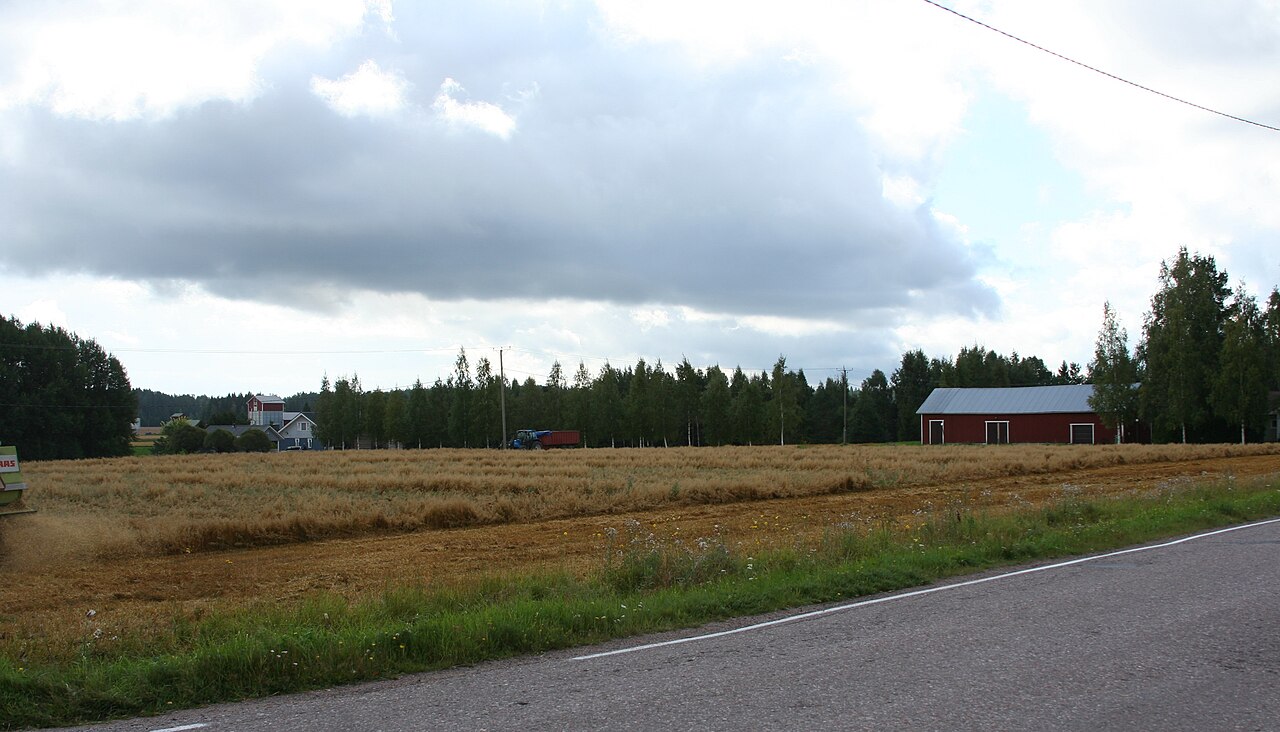
The researchers say growth needs closer cooperation among farmers, ingredient makers, food companies, investors and policymakers, planning raw material supply, quality, processing and sales as one chain. Nordlund said Finland has many active farmers and the capacity to grow the raw materials regionally.
The report was written by Anay Mridul for Green Queen.
Photo: Htm / Wikimedia Commons (CC BY-SA 3.0)
Source: Green Queen
Comments
(0)