
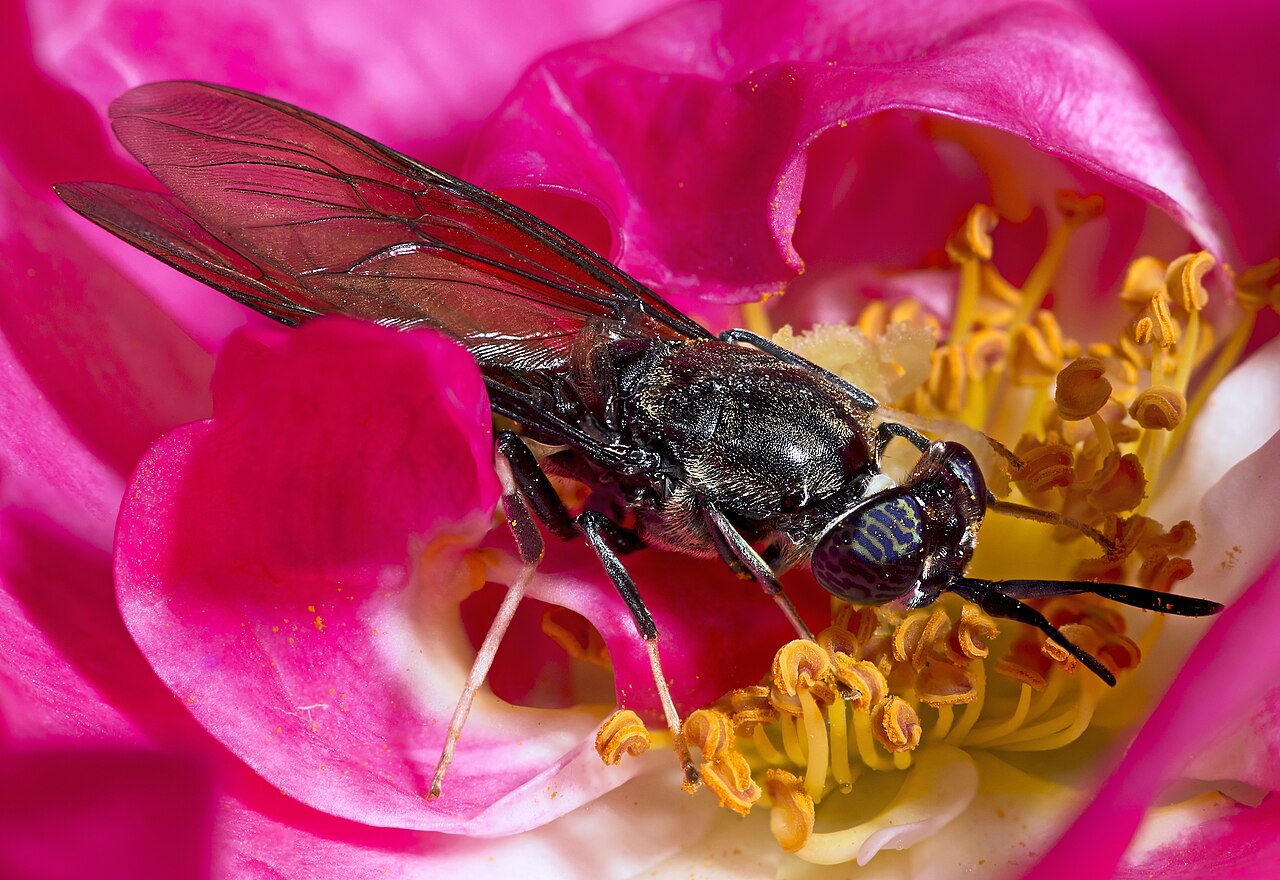
Finnish insect farming startup Volare has finished its first industrial-scale plant in Pori, Finland, which can produce up to 5,000 tonnes of insect protein and 2,000 tonnes of insect oil a year, Elaine Watson reports for AgFunderNews. The company says it was built on schedule and within its €15 million capital budget.
The plant sits in a former newspaper printing works and is designed to run with four people per shift. It feeds black soldier fly larvae on locally available side streams from the food industry. A significant share of its capacity is already sold, with offtake agreements in place with buyers including the aquafeed company Skretting and an unnamed global chemical company.
Volare has sold protein from a demonstration-scale site since 2022, for dog treats with Alvar Pet, cat food with VAFO Group and rainbow trout feed with Alltech Fennoaqua, and its protein has also gone into organic poultry feed. With €7.1 million in new funding raised through Springvest, it is preparing a second industrial plant.
EU rules stop insect farms using post-consumer food waste and most animal by-products as feed. Chief executive Jarna Hyvönen said the rules may loosen over time, "however, our business model is not based on this change." Costs can also be cut through power supply, labour and wastewater, she said. The company says a dry process for its protein meal uses about 30 percent less energy, and its method for hygienising frass, the larvae's residue, about 50 percent less.
Hyvönen said newer plants have learned from the industry's early mistakes: "having as much as fancy technology as possible is not the point. The point is to make it efficient and make it work." For aquafeed buyers, she said, security of supply matters most, and insect farming is closer to scale than many other new protein sources; quality is about digestibility, palatability and health benefits as well as price.
Photo: Didier Descouens (an adult black soldier fly, Hermetia illucens) / Wikimedia Commons (CC BY-SA 4.0)
Source: AgFunderNews

Comments
(0)