
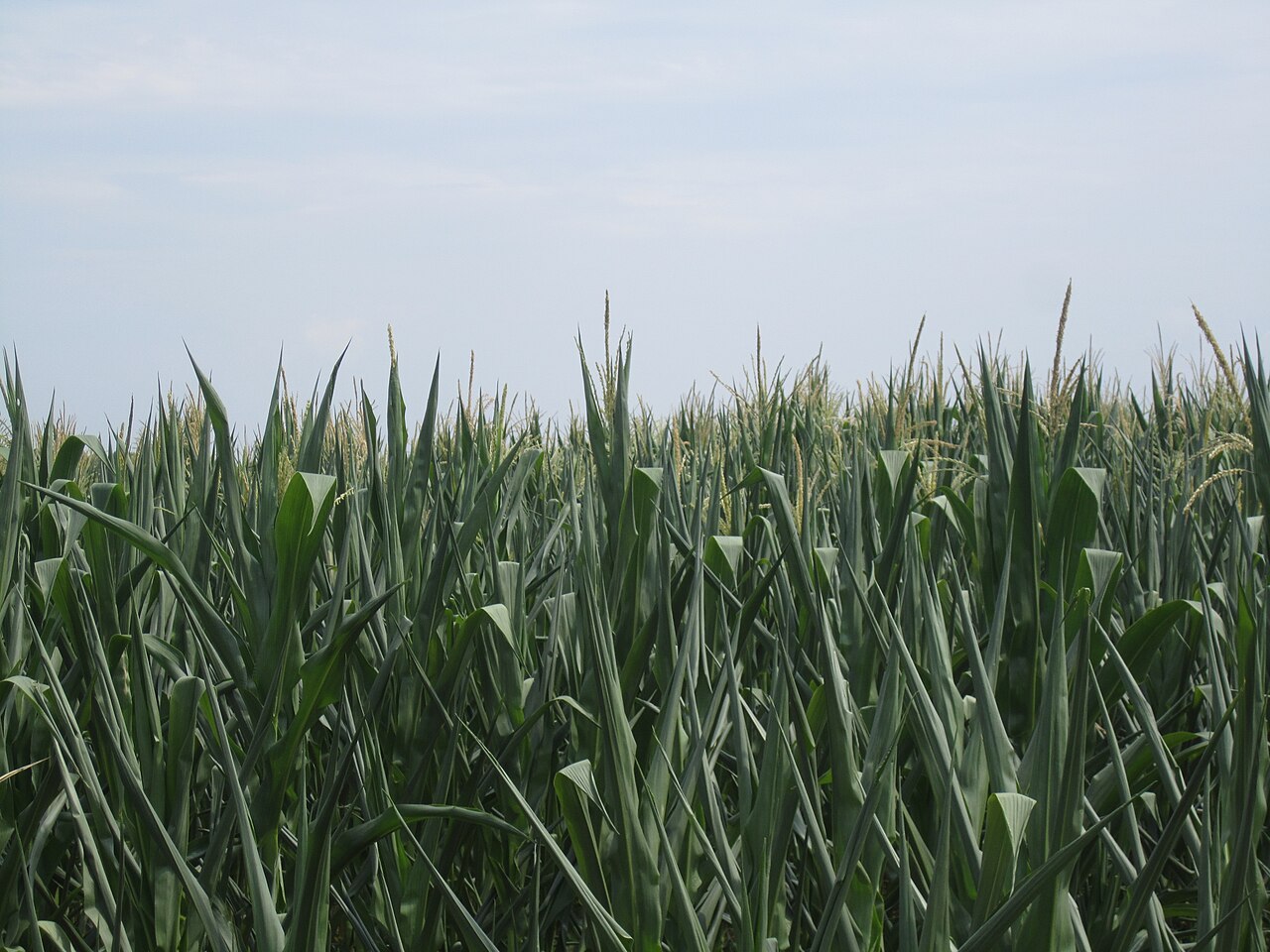
Corn tar spot, a fungal disease caused by Phyllachora maydis, is spreading across Virginia, disrupting harvests and confusing growers with symptoms that look like ordinary mould, Morning Ag Clips reports from the Virginia Farm Bureau. First identified in the United States in 2015 and in Virginia in 2022, it has been confirmed in Augusta, Culpeper, Rockingham and Shenandoah counties, with photographs suggesting it is also in Page and Madison counties.
In Midwestern states tar spot has cut yields by 25% to 30%, with some badly affected fields losing up to 60 bushels an acre. "While tar spot is still relatively new to Virginia, it has the potential to become an economically important disease if environmental conditions favor its development," said Yuan Zeng, a Virginia Cooperative Extension plant pathology specialist and assistant director of the Southern Piedmont Agricultural Research and Extension Center.
Rosemary Life, the Rockingham County extension agent for agriculture and natural resources, believes the disease was in Virginia before 2022 and that more cases are being found because more people know what to look for. "I visited a field just the other week, and I didn't even have to get out of my vehicle to see tar spot," she said. Because it spreads by spores carried on storms, she warned, a grower who rotates crops and applies fungicides well can still get it from a neighbour's field.
Moderate temperatures, high humidity, long overnight leaf wetness and frequent fog favour the disease, and signs usually show two to three weeks after infection, as raised round or oval black spots on both surfaces of the leaves. Growers who see suspicious spots are asked to contact their local Virginia Cooperative Extension office for a diagnosis.
For next year's crop, extension advises scouting fields regularly and recording where tar spot is found, choosing hybrids that are less susceptible or more tolerant, planning rotations to reduce the fungus in fields and budgeting for fungicide. The Crop Protection Network offers a disease monitoring map, a crop risk assessment tool and a fungicide return calculator. "Don't panic if tar spot is present," Life said. "Reach out, have someone confirm it, and learn more about the disease, when it's a problem and when to spray."
Photo: Billy Hathorn / Wikimedia Commons (CC BY-SA 3.0)
Source: Morning Ag Clips

Comments
(0)