
The Government of Viet Nam, with partner countries and international organisations, will announce the Partnership for Climate-smart and Responsible Agrifood Value Chains Transformation (P-CRAFT) on 17 November, on the sidelines of the COP31 climate conference in Antalya, Türkiye, Global Agriculture reported.
The initiative is meant to bring together governments, international organisations, financial institutions, businesses and development partners to speed the shift to sustainable, climate-resilient agrifood value chains, while making sure producers see real economic and livelihood gains.
Its organisers point to climate change, biodiversity loss, land degradation and pressure on natural resources as strains that reach well beyond the farm, into farmers' incomes, food security, trade and the resilience of supply chains. P-CRAFT is therefore aimed at the whole chain: production, harvesting, processing, storage, transport, trade and consumption.
It rests on three pillars. The first is transparency and traceability: better information systems and data sharing to establish where products come from, document how they were produced and show their sustainability record, so that producers and businesses can meet changing market requirements. The second promotes low-emission, climate-resilient and nature-positive production adapted to local conditions, with more efficient use of resources and stronger capacity among farmers and rural communities to cope with climate risks.
The third pillar is finance. Smallholder farmers, cooperatives and small and medium-sized enterprises still struggle to obtain credit, technology and technical help, and P-CRAFT aims to connect them more closely with financial institutions, development partners and private companies.
The organisers say the traceability measures should build trust among buyers and sellers along the chain and improve accountability, and that the collaboration of governments, farmers, businesses, financiers and researchers is what the transition will depend on.
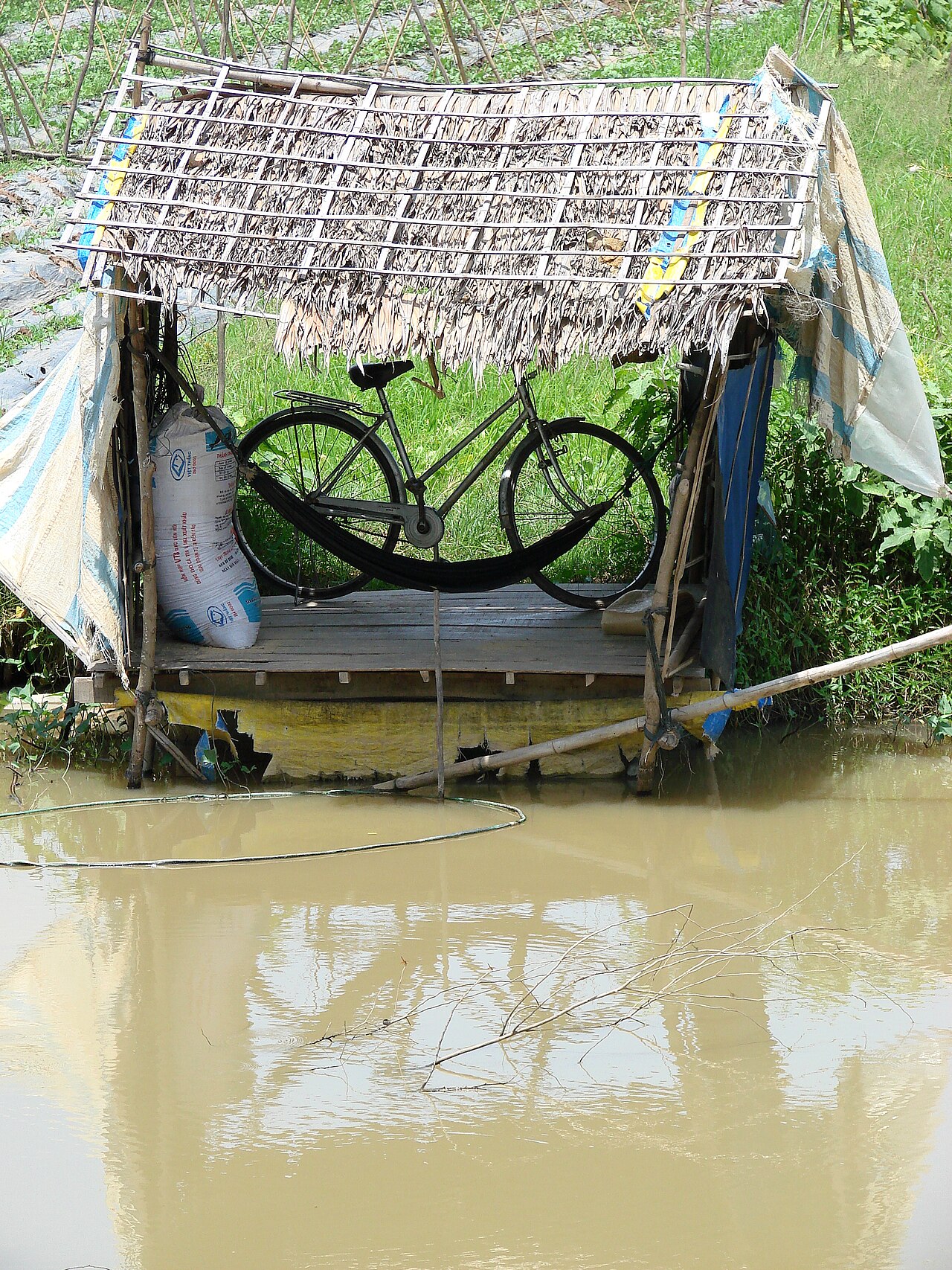
Photo: Adam Jones / Wikimedia Commons (CC BY-SA 3.0)
Source: Global Agriculture

Comments
(0)