
More than 250 farmers in France, Spain and Turkey are now taking part in regenerative agriculture programmes backed by PepsiCo and the Earthworm Foundation, AgNavigator reported. The two say the lesson so far is that the practices spread only when support is fitted to each farm's conditions and the financial risk of change is shared.
The most advanced scheme is RE'COL'TE in the Hauts-de-France region, a €1.5 million programme with 175 farmers. Led by Earthworm Foundation, a non-profit that designs sustainability programmes with companies and farmers, it also includes Nestlé, the sugar group Tereos, the cooperatives Agora and Unéal, grain trader Groupe Carré and ADEME, France's ecological transition agency. It mixes public and private money, premiums paid to farmers and technical advice, so that the cost of transition is spread along the value chain instead of falling on growers alone.
Farmers are encouraged to use cover crops, widen their rotations with nitrogen-fixing legumes, add more organic amendments and fine-tune mineral fertiliser use. "Programs such as RE'COL'TE help us to reduce the risks associated with adopting new practices by providing financial and technical support," said Paul Pontfort, one of the participating farmers. The scheme builds on Earthworm's Sols Vivants programme, which has worked with hundreds of farmers on soil health since 2018.
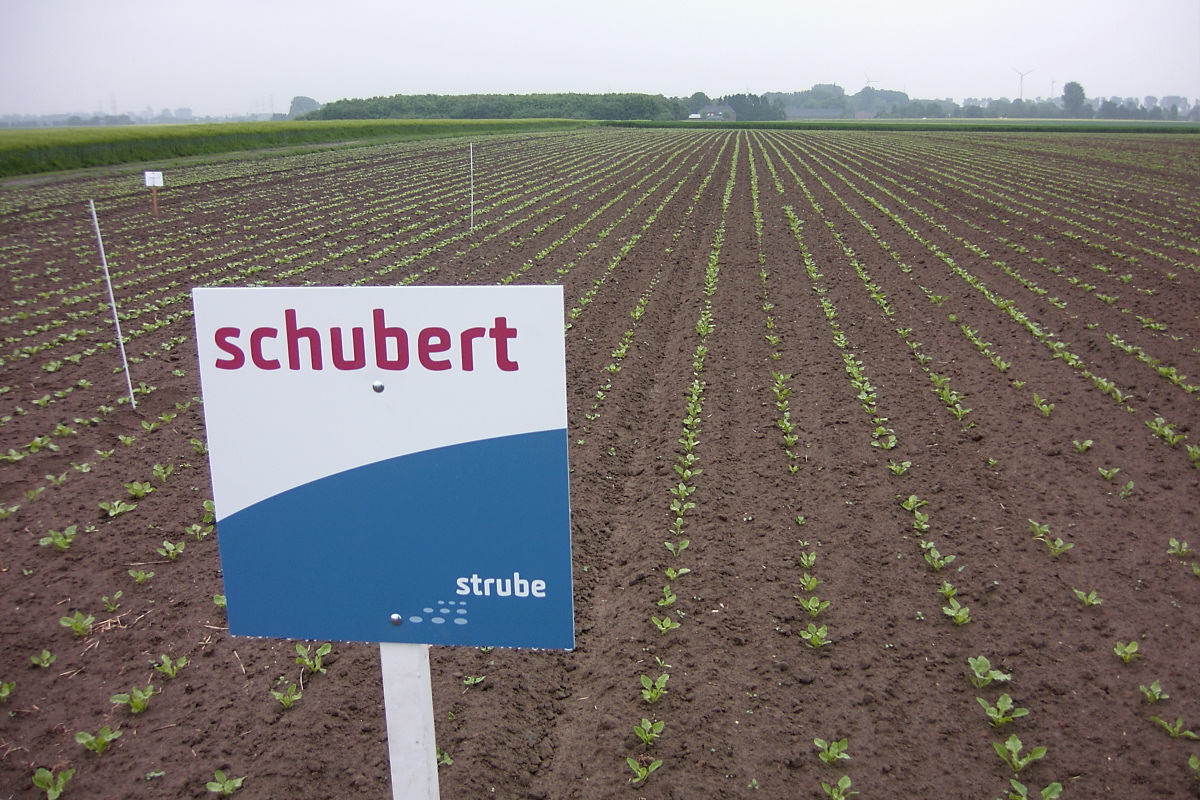
In Spain the work began by asking what keeps farmers from adopting the practices at all, putting as much weight on how the programme is designed as on the practices themselves. In Turkey, now in its second year, the programme works with sugar beet growers on about 480 hectares through field visits, soil assessments, training and agronomic support, and has helped growers move from conventional synthetic fertilisers to organomineral products, with advice on soil health and irrigation.
The partners are open that results are still to come. PepsiCo confirmed that verified data on yields, profitability, water retention, input savings and resilience to extreme weather is not yet available; the programmes are setting baselines, assessing soils and monitoring over time. "Meaningful improvements in soil health, productivity and resilience take time to measure," a PepsiCo spokesperson said.
The work is part of PepsiCo's target of spreading regenerative, restorative and protective practices across 10 million acres worldwide by 2030; the company says it had reached 4.7 million acres in 2025. The crops supply ingredients for products such as Lay's and Doritos.
Photo: Blonder1984 / Wikimedia Commons (public domain)
Source: AgNavigator (reported by Oliver Morrison)




Comments
(0)