
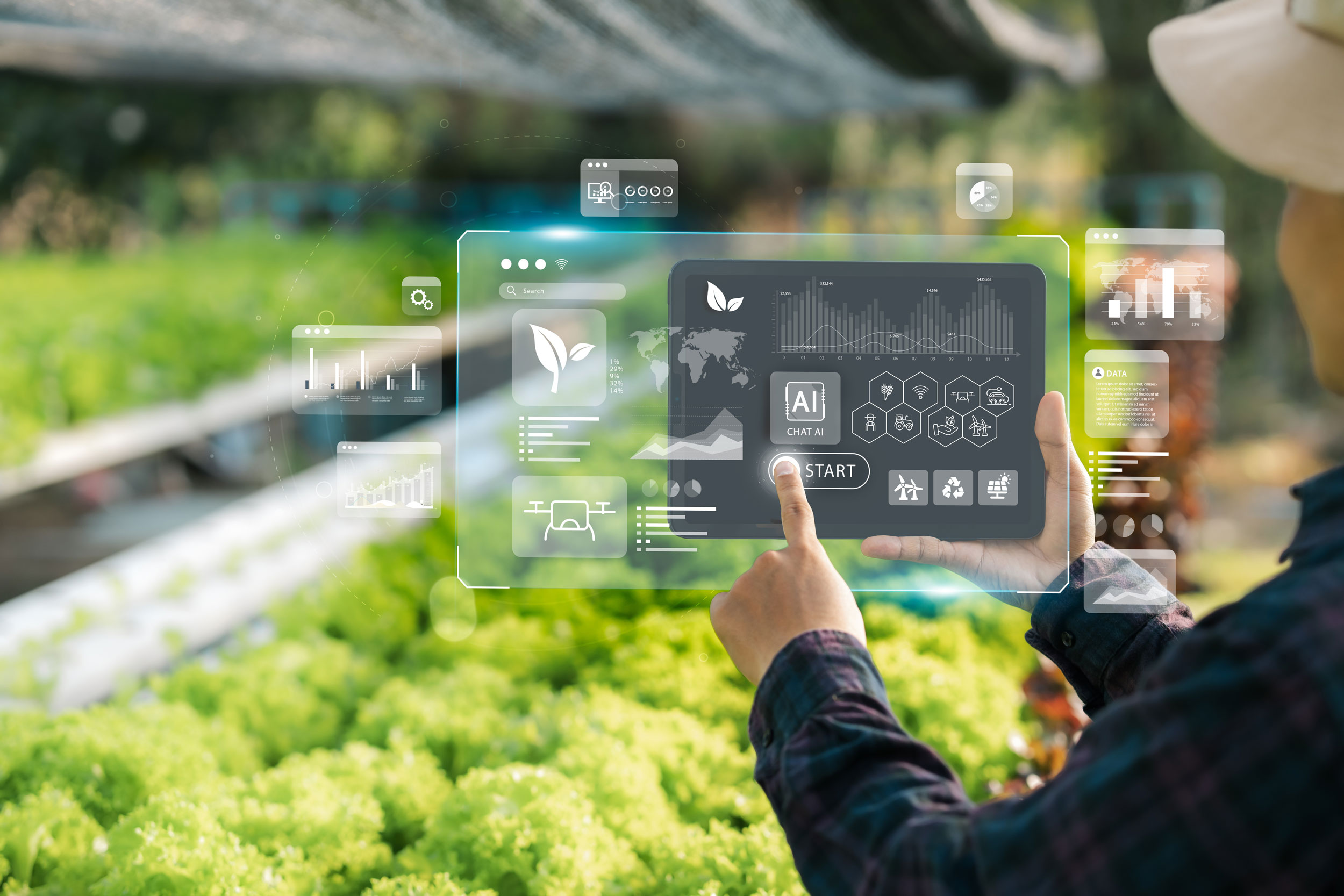
The US Department of Agriculture has called on universities and other partners to help build artificial intelligence tools capable of making sense of the germplasm data it collects — the genetic material held in its plant collections and the measurements taken from it.
The department expects to launch an Agricultural National Science and Technology Challenge later this year through the Genesis Mission and the Agriculture Advanced Research and Development Authority. Entrants would be asked to build practical tools that pull together different kinds of information — images, field data and laboratory results — so that scientists can identify useful plant and seed traits and breed more resilient, more productive crops.
The bottleneck is real. Seed banks hold far more accessions than any breeding programme can evaluate by hand, and the measurements taken over decades sit in formats that do not talk to each other. A tool that connects them changes how quickly a trait for drought tolerance or disease resistance can be found and used.
"When our partners help us to solve agricultural challenges by using AI tools, we'll unlock faster discoveries with germplasm data and grow better crops that strengthen our food system for many future generations," said Scott Hutchins, Under Secretary for Research, Education and Economics and the department's chief scientist.
The Genesis Mission was launched in November 2025 and is coordinated by the White House Office of Science and Technology Policy to apply artificial intelligence to scientific discovery. Challenge teams will have access to the American Science and Security Platform, shared infrastructure built by the Department of Energy that connects datasets, scientific instruments and AI tools.
The department says further details of the challenge are still to come and has encouraged prospective teams to read the Genesis Mission executive order.
Source: USDA
Comments
(0)