
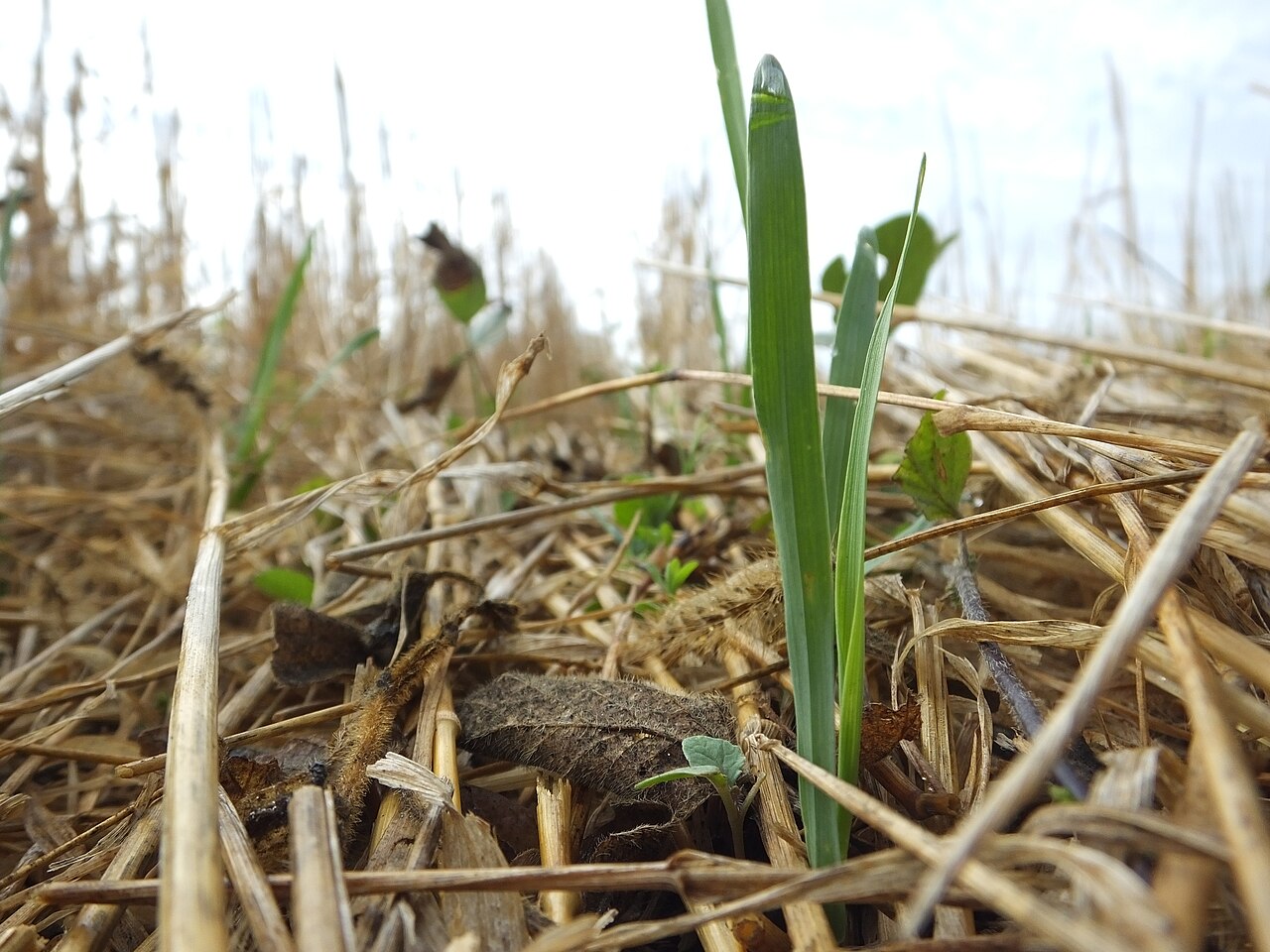
The US Department of Agriculture (USDA) will spend $1 billion on its Regenerative Pilot Program in fiscal year 2027, up from $700 million, and producers can now apply for help to adopt practices that improve soil health, water quality and the long-term resilience of their farms, the department said on 29 September.
The money comes through two existing conservation schemes run by the Natural Resources Conservation Service (NRCS): $650 million through the Environmental Quality Incentives Program (EQIP) and $350 million through the Conservation Stewardship Program (CSP). Farmers can bundle several regenerative practices into a single application covering both programmes.
In the pilot's first year, NRCS signed more than 5,100 contracts worth more than $851 million for whole-farm conservation practices, according to NRCS Chief Colton L. Buckley. Agriculture Secretary Brooke L. Rollins said the enthusiasm from farmers was the reason for the increase.
The second year keeps whole-farm planning that addresses soil, water and what USDA calls natural vitality under one framework, but lowers the entry bar: the resource concern threshold for the Conservation Stewardship Program falls from 100% to 75%. The programme also offers several monitoring and evaluation options for cropland, grazing land and forestry.
NRCS will also let State Technical Advisory Committees add conservation practices that fit local resource concerns and production systems, and is adding dedicated funding set-asides, better tracking, wider technical support and clearer communication, the department said.
Health and Human Services Secretary Robert F. Kennedy Jr. said the extra money would help farmers build soil health and reduce dependence on costly chemical inputs. USDA presents the programme as part of its Make America Healthy Again agenda. Interested farmers and ranchers apply through their local NRCS Service Center by their state's ranking dates for fiscal 2027.
Photo: USDA NRCS South Dakota / Wikimedia Commons (public domain)
Source: USDA
Comments
(0)