
The US Department of Agriculture's Agricultural Research Service (ARS) opened the Southwest Watershed Research Center in Tucson, Arizona, on 27 October, a new home for research on water, plants and soil in the semi-arid American Southwest.
The 15,650-square-foot complex has laboratories, shared workspaces and research infrastructure for ARS scientists and researchers from the University of Arizona. Their work covers weather patterns, how water moves and how soil erodes in dry country, with the aim of giving producers tools to manage their land and water.
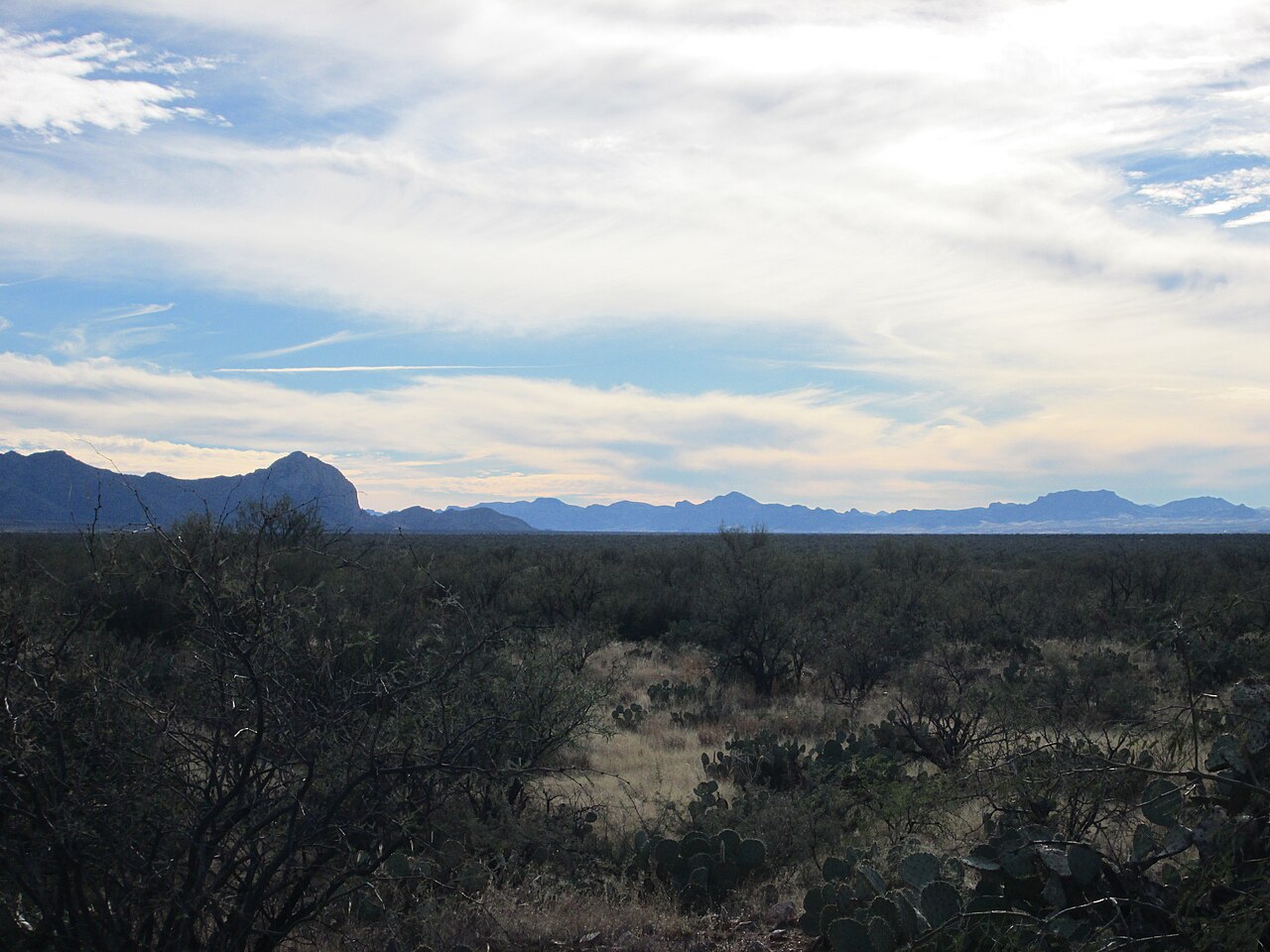
The centre supports field studies at the Walnut Gulch Experimental Watershed and the Santa Rita Experimental Range. Its scientists have built rainfall simulators, run drought studies and used remote sensing, including drones, to measure runoff and erosion, see how plants respond to limited water and follow how water moves through the landscape.
"America's farmers and ranchers need practical solutions that help them produce more and make the most of every drop of water," said Agriculture Secretary Brooke L. Rollins. ARS administrator Joon Park said the scientists in Tucson help producers across the Southwest "conserve water, protect soils, and sustain productive working lands".
The work has a long history. The Southwest Watershed Studies Group was set up in 1951 to tackle soil erosion, and in 1953 researchers chose Walnut Gulch as an outdoor laboratory. USDA describes Walnut Gulch today as the most densely instrumented long-term semi-arid experimental watershed in the world.
Dr Scott Hutchins, USDA under secretary for research, education and economics, said the facility would help turn scientific discovery into tools that raise farm profitability in the region.
Photo: $1LENCE D00600D / Wikimedia Commons (CC BY-SA 3.0)
Source: usda

Comments
(0)