
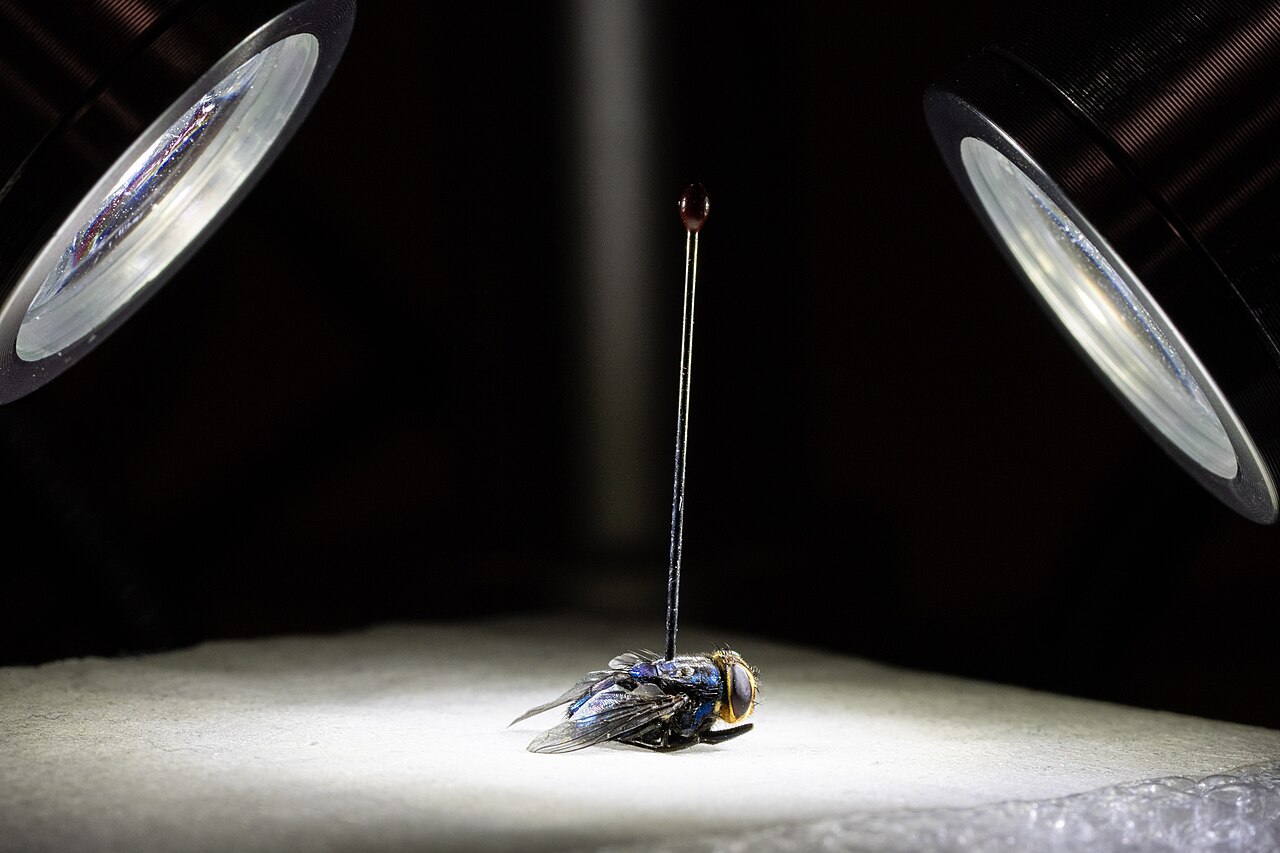
The US Department of Agriculture (USDA) began recruiting on 10 November for 228 positions at its New World screwworm sterile fly production facility in Edinburg, Texas. Applications are open on USAJobs.gov, and the department is holding a hiring event in McAllen, Texas, from 17 to 19 November, with hiring managers interviewing candidates on site from 8 a.m. to 8 p.m. local time each day.
The plant, at Moore Air Base, is due to finish construction in April 2027. It will be the first sterile fly production facility based in the United States. USDA expects it to produce 100 million sterile flies a week in 2027 and about 300 million a week once it reaches full capacity. Agriculture Secretary Brooke L. Rollins said the facility would open nearly five years ahead of schedule, with support from the Department of War and the Army Corps of Engineers.
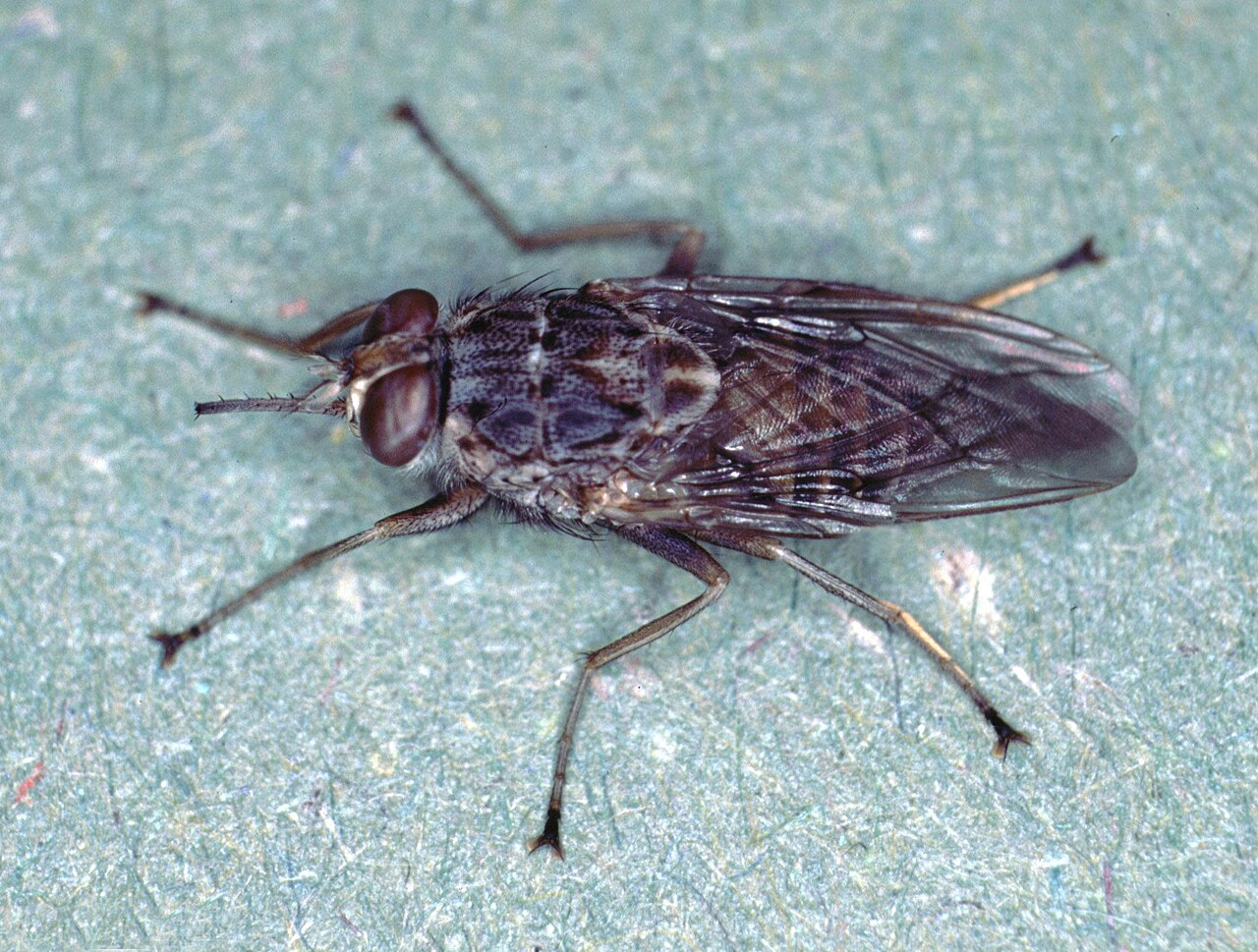
The flies are the core of the sterile insect technique. Screwworm flies are raised in a biosecure building and sterilised with irradiation before they are released over targeted areas. Because a female screwworm mates only once, a female that mates with a sterile male lays eggs that do not hatch. The department says sterile flies cannot produce larvae and pose no risk to animals or people.
USDA currently funds two sterile fly plants in North America. The facility in Panama, which produces 100 million sterile flies a week, carries most of the present effort. A plant in Mexico opened in June 2026 and is still increasing output; it is expected to reach 100 million a week at full capacity. The Texas plant is one part of a five-pronged strategy against the pest that also relies on surveillance, restrictions on animal movement and outreach to producers.
"Protecting U.S. livestock and wildlife from New World Screwworm is a national security priority," Rollins said, calling sterile flies "our most successful offensive capability" for keeping the pest away from the border. Dudley Hoskins, the under secretary for marketing and regulatory programs, said the hiring event gave people who had never thought of working in government a chance to join the work of the Animal and Plant Health Inspection Service.
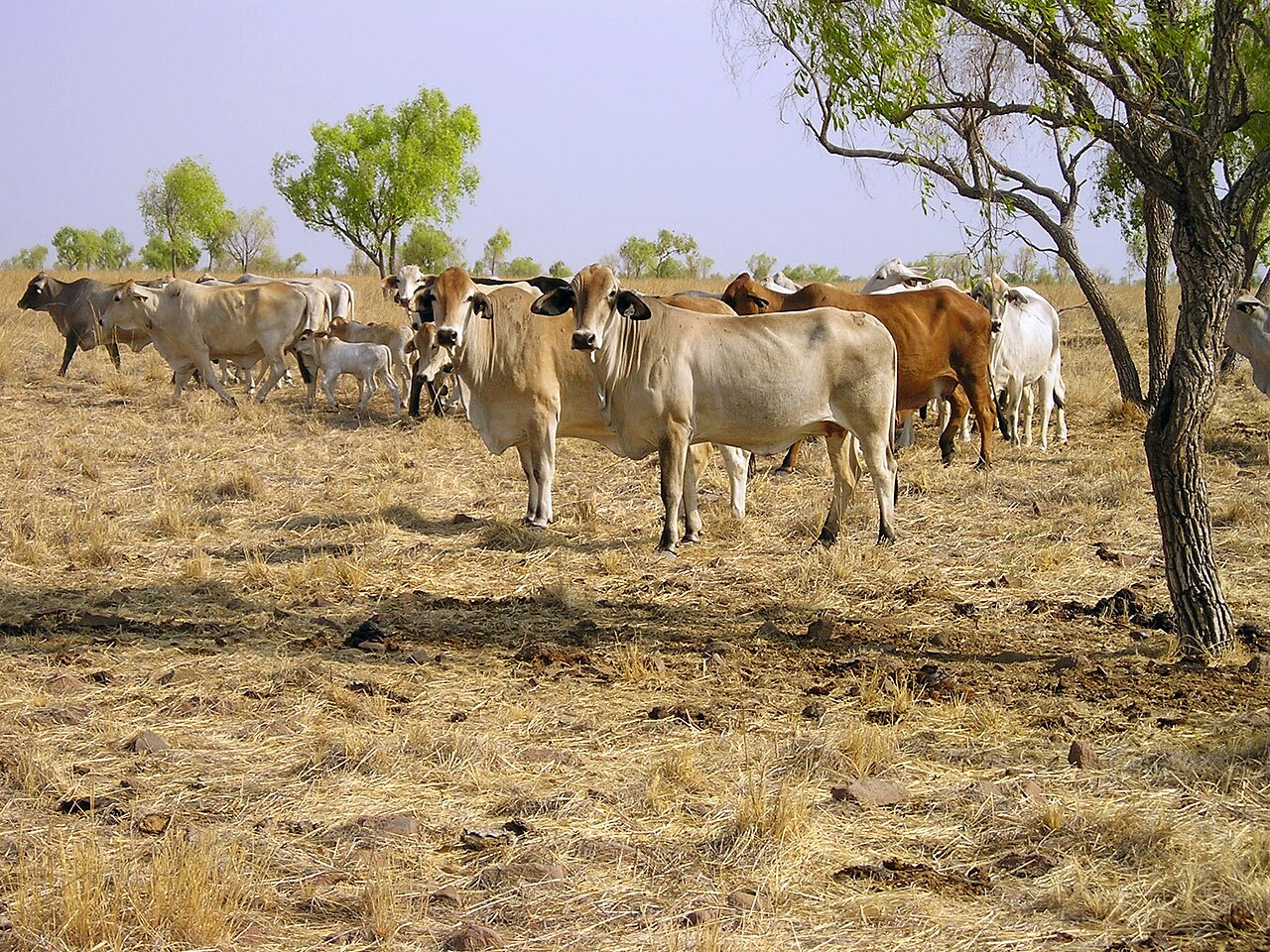
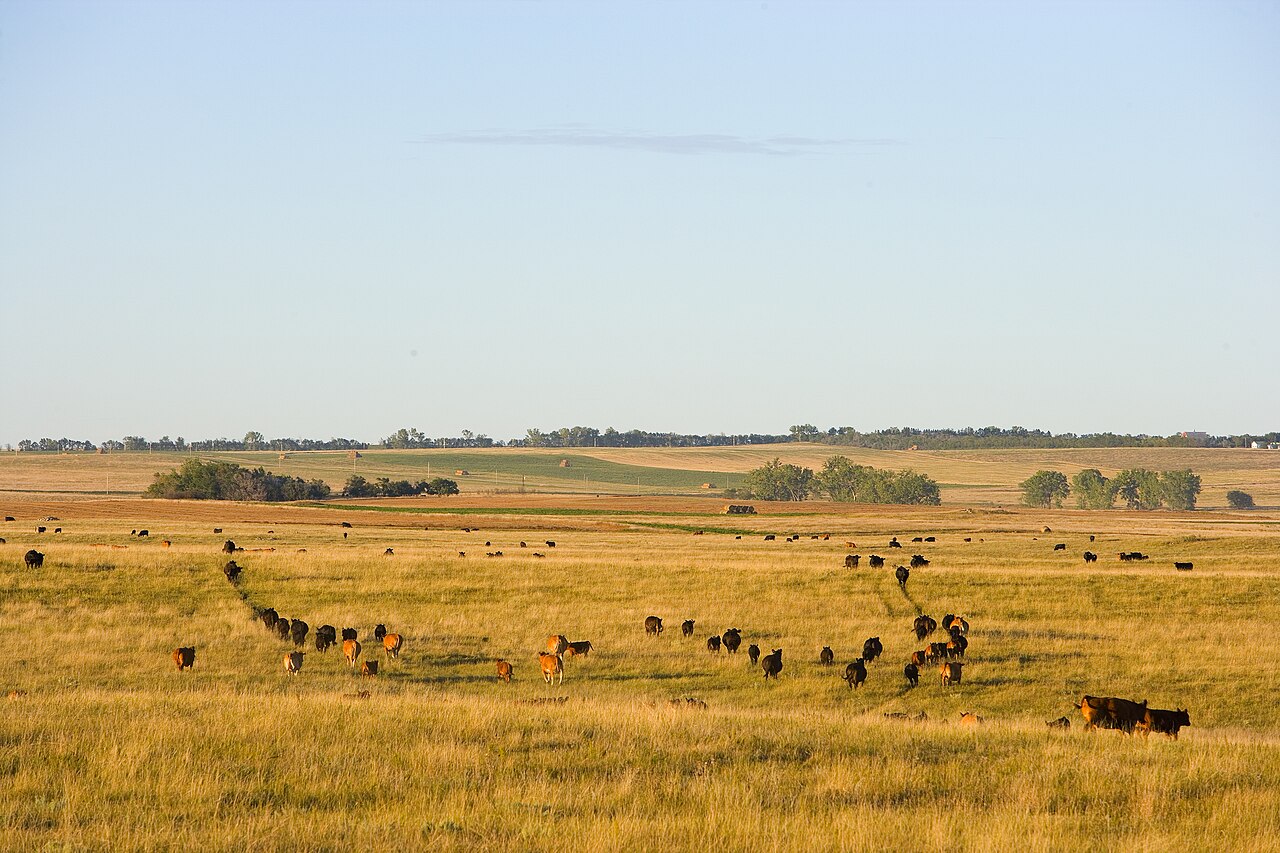
Fertile screwworm larvae feed on the living tissue of warm-blooded animals, which makes the fly a serious threat to cattle, other livestock and wildlife. USDA notes that it is not a food safety concern, because the larvae do not infest meat, fruit, vegetables or other foods. For ranchers in the southern United States, a domestic supply of sterile flies would mean a faster response to any outbreak than one that depends on plants outside the country.
Photo: USDAgov / Wikimedia Commons (Public domain)
Source: usda
Comments
(0)