
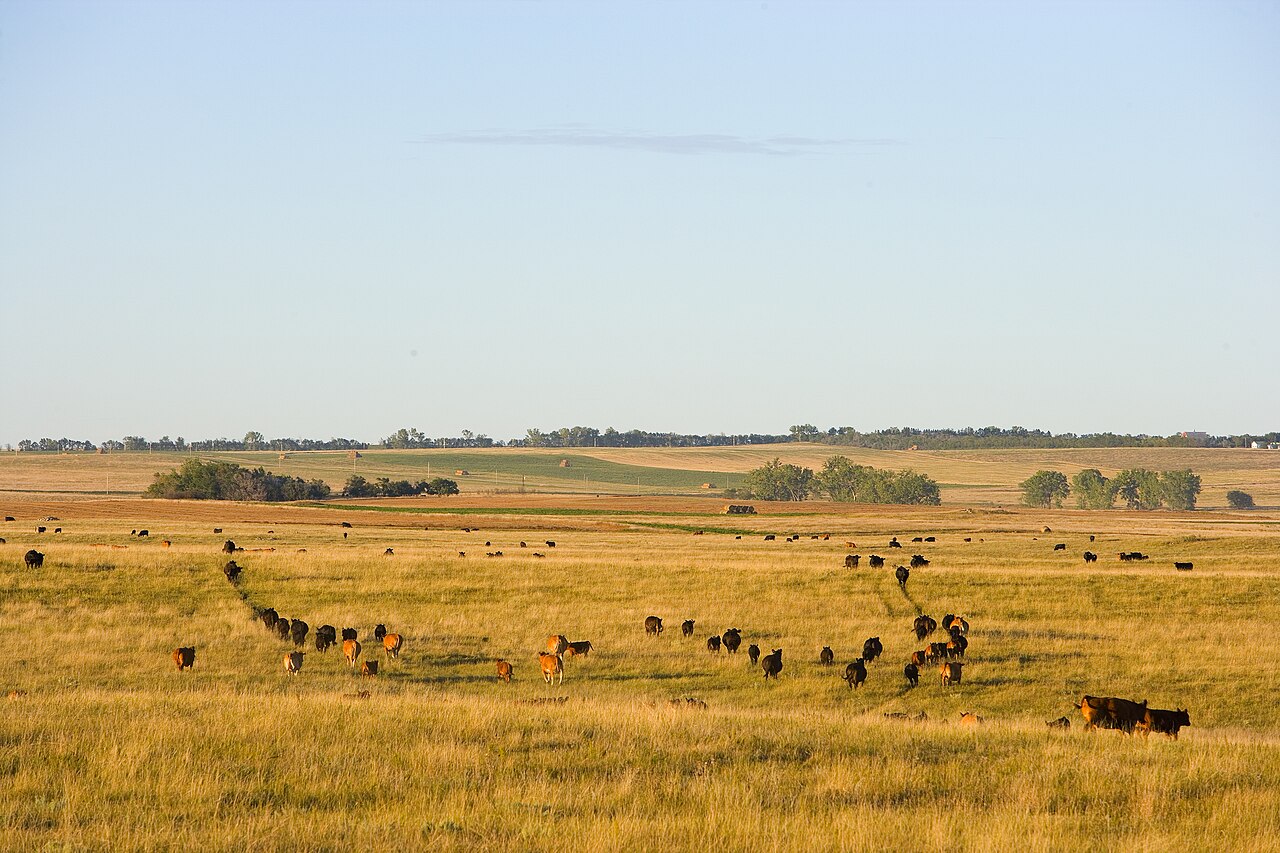
The Bezos Earth Fund has become the first "catalytic funder" of the Global Cattle Innovation Platform (GCIP), a programme run by the Yield Lab Institute (YLI) to find the main problems in beef and dairy value chains and to give new technologies the test sites, expertise and partners they need to reach the market. The grant runs for one year; its amount was not disclosed.
The platform extends a model YLI already uses for crops. In 2025 the institute took over the Wells Fargo Innovation incubator and renamed it the H.A.R.V.E.S.T. AgTech programme, linking startups with technical partners such as North Carolina State University's Plant Sciences Initiative and University of California Agriculture and Natural Resources. Stephanie Regagnon, YLI's executive director, told AgFunderNews that the programme had so far focused mainly on crops and that the move into cattle grew out of a year of talks with people in the sector.
Agtech startups often struggle to prove their products because they lack capital and places to test them. Under GCIP, every startup chosen will have a research collaboration with one or more institutions. "We know what we're doing in crops, but we want to make sure we understand what on-farm or on-ranch validation looks like," Regagnon said.
The institute says producers will be at the centre of the conversation from the start. Cattle producers face high input costs, smaller herds and pressure to raise both productivity and sustainability, and the platform plans to choose its focus areas among these in the coming months. Jackie McClaskey, president of the American Royal Association and a member of the platform's external advisory board, said in a statement: "If it doesn't work for the producer, it doesn't work."
Kansas City will be the platform's base, close to a region with deep ties to the cattle industry; Missouri is one of the leading cattle-producing states and has advanced work in genetics and breeding technology. Besides choosing research partners, the grant will pay for an advisory board, networks in the United States and Brazil, and preparations for the programme's first group of startups.
For livestock farmers, programmes of this kind decide which new tools, from monitoring to breeding technology, are tried on working ranches before they are sold. The story was reported for AgFunderNews by Jennifer Marston.
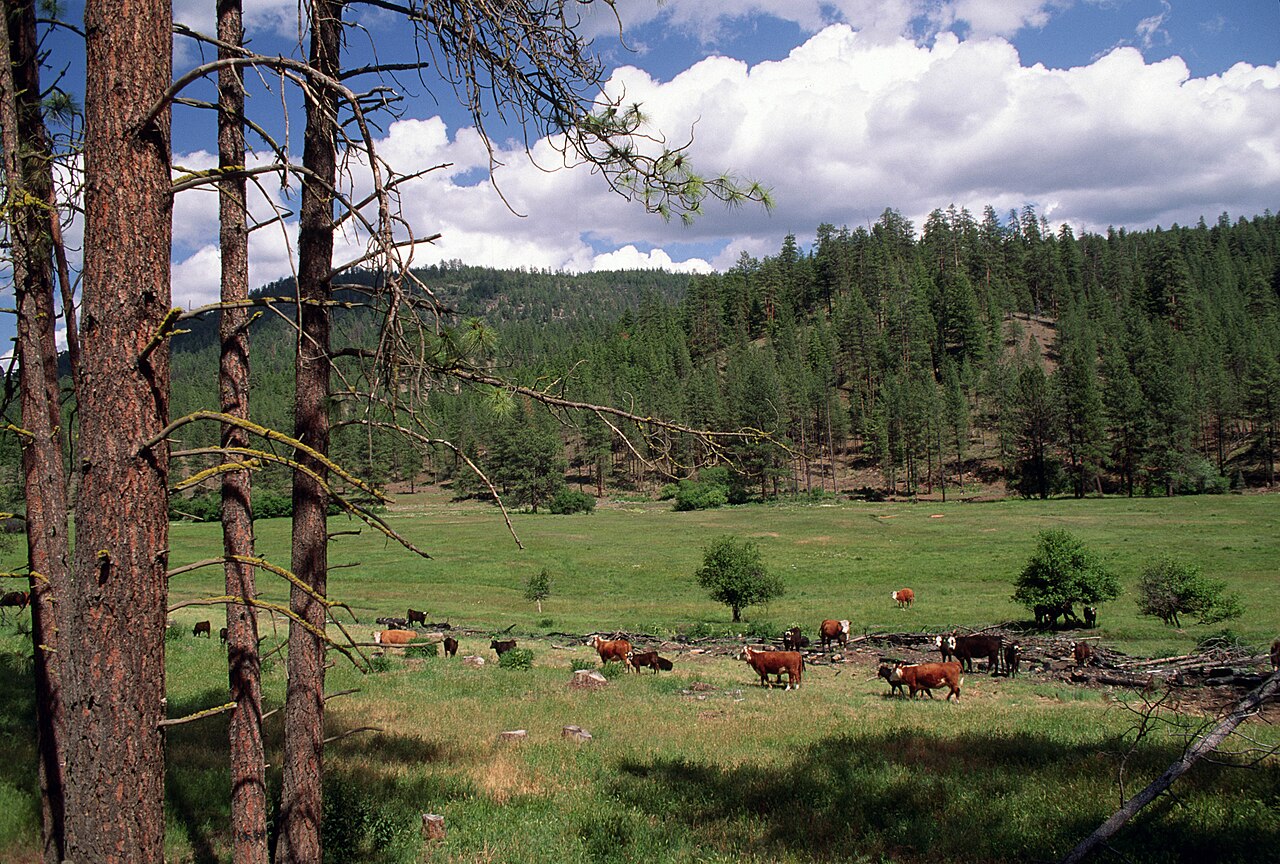
Photo: Scott Bauer, USDA Natural Resources Conservation Service / Wikimedia Commons (Public domain)
Source: AgFunderNews
Comments
(0)