
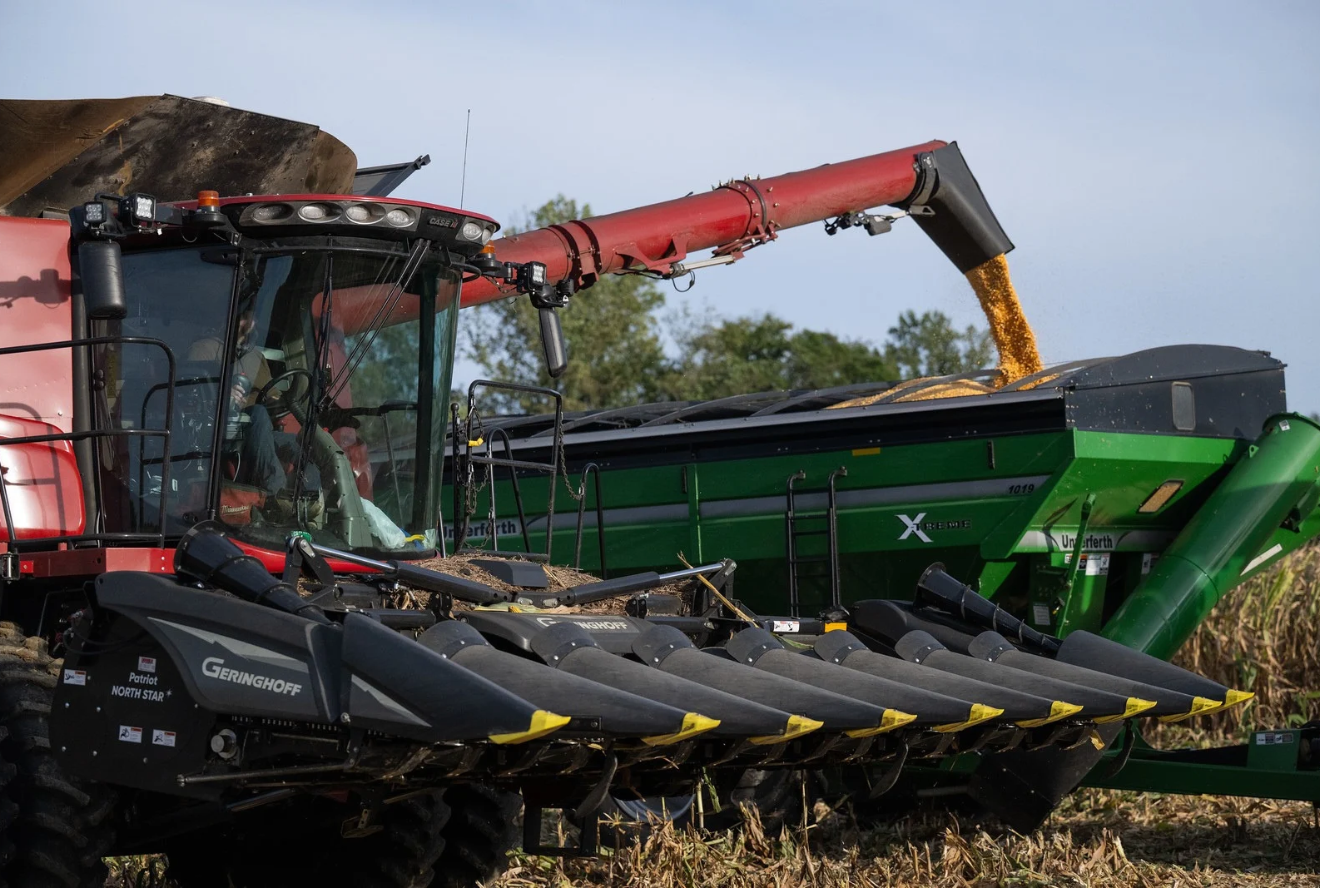
The US Department of Agriculture will make $8 billion available for one-time payments to American farmers this harvest season, President Donald J. Trump and Agriculture Secretary Brooke L. Rollins announced on 19 October. The Harvest Fuel Relief (HFR) program is meant to give relief during what USDA called temporary market disruptions and increased input costs.
Like the earlier Farmer Bridge Assistance (FBA) program, HFR will pay producers by a uniform formula that covers a portion of modeled losses in the 2026 crop year. The national loss average behind it will be built from planted acres reported to the Farm Service Agency (FSA), the Economic Research Service's cost-of-production estimates, and the yields and prices in the World Agricultural Supply and Demand Estimates.
The money is authorised under the Commodity Credit Corporation Charter Act and will be administered by FSA. Payment rates for each Title I commodity will be released in November; the method for other eligible commodities will be announced later. Producers do not need crop insurance to take part, though USDA urged them to use the risk management tools in the Working Families Tax Cuts Act.
Growers of commodities outside Title I, including specialty crop growers and fishermen, are asked to send data on their increased fuel costs to HarvestFuel@usda.gov so USDA can consider them when it sets rates. The department advised eligible producers to create a Login.gov account before the application period opens; pre-filled applications will be available online to producers whose account is linked to USDA.
USDA set the program beside its other payments this year: $12 billion in one-time Farmer Bridge Assistance to more than 560,000 farmers, and nearly $14 billion in gross Agriculture Risk Coverage and Price Loss Coverage payments two weeks ago, which the department said was about $8 billion more than farmers would have received without the tax act. Rollins said the payments would bring certainty to farmers during harvest.
The announcement is a USDA press release.
Source: usda
Comments
(0)