
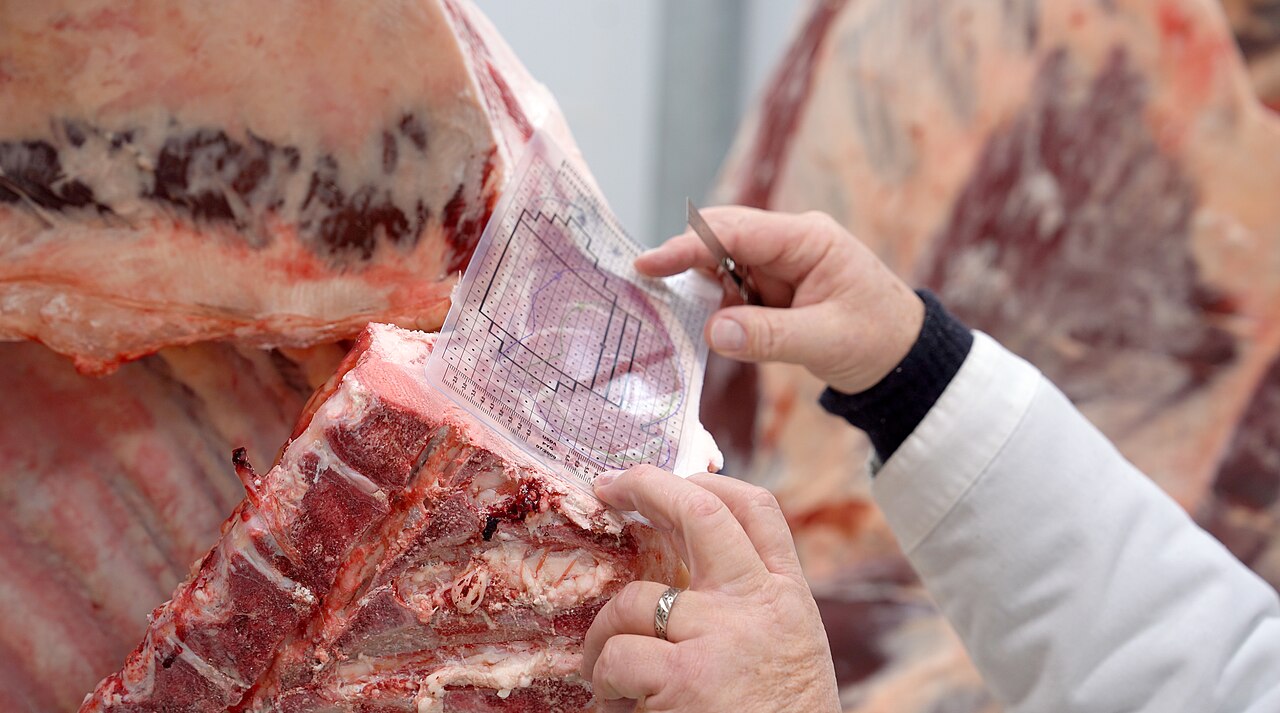
The US Department of Agriculture's Agricultural Marketing Service (AMS) has extended by 90 days the public comment period on possible changes to the national beef grade standards. The original 60-day window, opened by a Request for Information published in the Federal Register on 8 July 2026, was to close on 8 September; comments are now accepted until 7 December 2026.
The agency said the extension answers a request from industry groups that wanted more time to study the proposal and prepare submissions. Producers, packers, wholesalers, retailers, food-service companies and consumers are all invited to say whether the standards still fit today's marketplace.
The review was prompted by the American Wagyu Association, which asked AMS to evaluate the existing standards and consider revisions. USDA grades score marbling, meat yield, fat cover, ribeye area and defects such as dark cutters, and they are used by producers, packers, retailers, restaurants and distributors to describe quality consistently.
AMS stresses that grades are about quality and marketing, not safety: food-safety inspection is done separately by the Food Safety and Inspection Service before any carcass is graded.
The agency says it will weigh the comments before deciding whether revisions are necessary or beneficial, and encourages every part of the supply chain to file before the December deadline.
Photo: USDA / Wikimedia Commons (Public domain)
Source: Farms.com

Comments
(0)