
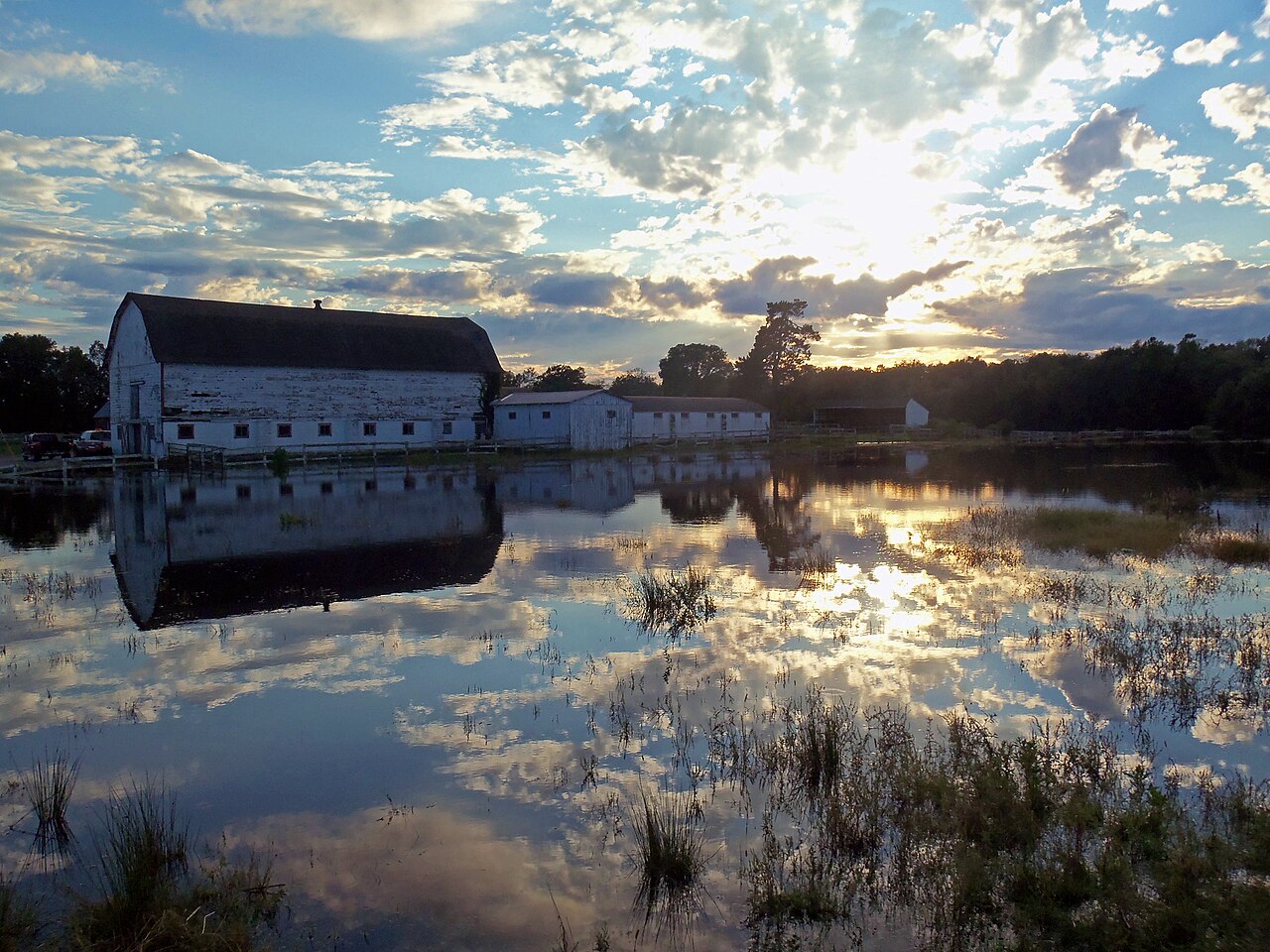
The US Department of Agriculture (USDA) on 9 October urged farmers, ranchers, families and small businesses in the path of Hurricane Isaias to prepare, and reminded them that its regional, state and county offices are ready to help with recovery.
The most time-sensitive step is for growers: producers with Federal Crop Insurance or Noninsured Crop Disaster Assistance Program (NAP) coverage should report losses to their crop insurance agent or local Farm Service Agency (FSA) office within 72 hours of discovering damage, and follow up in writing within 15 days.
FSA also offers financial support to farmers and ranchers hit by natural disasters, including loans to replace property, livestock, equipment, feed and seed, cover living expenses and refinance farm debts. The Natural Resources Conservation Service (NRCS) provides financial and technical help through the Environmental Quality Incentives Program and can support local governments through the Emergency Watershed Protection Program.
Strong winds, flooding and power cuts can spoil stored food. USDA runs a Meat and Poultry Hotline at 1-888-674-6854 on weekdays, and meat and poultry businesses can reach the FSIS Small Plant Help Desk at any hour. The Animal and Plant Health Inspection Service (APHIS) urged everyone in the storm's potential path to prepare now.
Producers can find programmes through the Disaster Resource Center, the Disaster Assistance Discovery Tool on farmers.gov and their local USDA Service Center. USDA's Food and Nutrition Administration works with FEMA and stands ready to support state and local requests for emergency nutrition assistance.
Photo: Daniel Case / Wikimedia Commons (CC BY-SA 3.0)
Source: USDA
Comments
(0)