
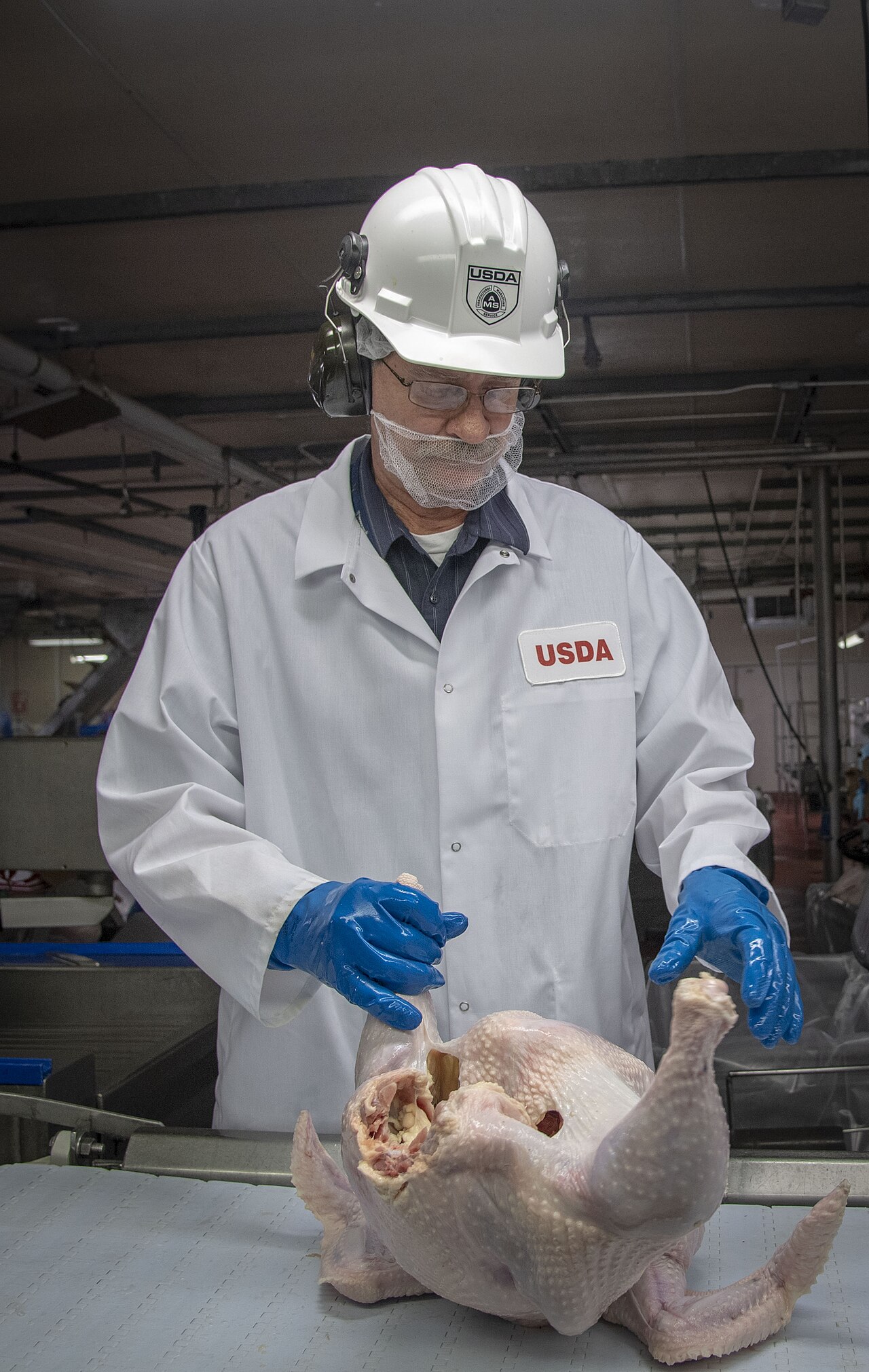
The US turkey industry is rebuilding after two years of shrinking supplies caused by highly pathogenic avian influenza (HPAI) and avian metapneumovirus (aMPV), Farms.com reported, drawing on an analysis by the American Farm Bureau Federation (AFBF). The AFBF warns that growers are not yet in the clear.
USDA estimates that US farmers raised about 198.5 million turkeys in 2026, around 5 million or 3 per cent more than in 2025, the first year-on-year increase since 2023. Production is concentrated: Minnesota, North Carolina, Arkansas, Indiana and Missouri raised about 68 per cent of the birds.
USDA's October World Agricultural Supply and Demand Estimates put federally inspected turkey meat output at about 5.13 billion pounds in 2026, up about 290 million pounds or 6 per cent, rising to about 5.18 billion pounds in 2027. That is still below the roughly 5.46 billion pounds produced in 2023, before the disease outbreaks.
Demand has kept pace. USDA projects US turkey use at about 4.7 billion pounds in 2026, up about 4 per cent, and exports at about 461 million pounds, nearly 10 per cent higher than last year. Mexico remains by far the largest buyer, with shipments there up 6.4 per cent through August. Stocks have fallen: about 360 million pounds of turkey were in cold storage on 30 September, 4.5 per cent less than a year earlier and nearly 16 per cent less than in 2024.
Tight supplies have lifted prices. USDA's Economic Research Service projects the 2026 average wholesale price of frozen whole hen turkeys at about $1.76 a pound, around 30 per cent above 2025 and nearly 88 per cent above the 94 cents of 2024. Because the industry is highly integrated, little farm-level price information is public.
The risks remain. The AFBF says disease is still a significant threat to production, and higher prices for corn and soybean meal, the main feed ingredients, could squeeze growers' margins going into 2027.
Photo: USDA / Wikimedia Commons (public domain)
Source: Farms.com

Comments
(0)