

Mother Dairy and the Gujarat Cooperative Milk Marketing Federation (GCMMF), which sells under the Amul brand, are raising milk prices by Rs 2 to Rs 6 a litre from 12 November, as milk collection declines and fat prices climb, Rural Voice reported, citing industry sources. Neither company had issued an official statement at the time of the report, which said an announcement was expected that evening.
Toned milk is going up by Rs 2 a litre, full cream milk with 6 per cent fat by Rs 4, and full cream buffalo milk with 6.5 per cent fat by Rs 6, with the new prices effective from midnight. In Delhi-NCR, toned milk from bulk vending machines rises from Rs 58 to Rs 60 a litre, packaged full cream milk from Rs 72 to Rs 76, packaged toned milk from Rs 60 to Rs 62 and buffalo milk from Rs 80 to Rs 86. Mother Dairy's double toned milk goes from Rs 54 to Rs 56 and its cow milk from Rs 62 to Rs 65.
The timing is what stands out. November falls in the flush season, when milk supply normally rises and procurement prices paid to farmers tend to soften. This year the trend has reversed, and the report says the growth shown in official production statistics does not match conditions on the ground.
To win back supply, dairies have raised what they pay farmers. Amul now pays Rs 1,000 per kg of fat, which works out to more than Rs 60 a litre for the dairy farmer. Months of shortage have pushed fat prices up 20-25 per cent, and one-litre packs of leading ghee brands now sell for around Rs 730-740. The industry also points to rising cattle-feed costs, which have lifted farmers' production expenses.
When fresh milk runs short, dairies usually rebuild liquid milk from milk powder and fat, but costly fat has made that route expensive too, leaving companies little choice but to raise retail prices. Karnataka's cooperative brand Nandini had earlier raised prices by Rs 8 a litre, though state subsidies to farmers keep its toned milk at Rs 54.
The shortage has also turned attention to official milk statistics. The government has not yet released the findings of the latest livestock census, and industry sources fear the number of milch animals may have fallen.
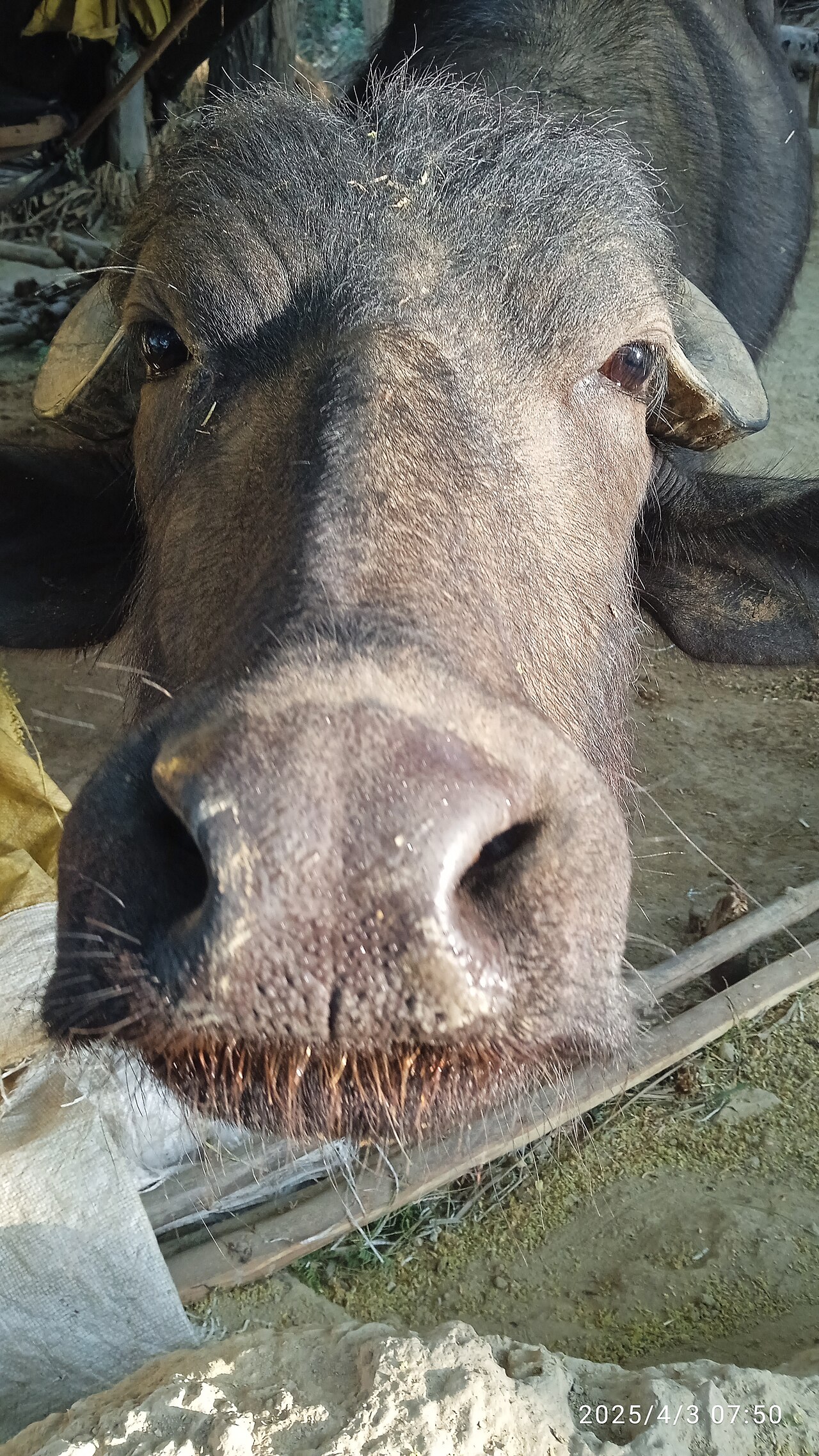
Photo: Notnarayan / Wikimedia Commons (CC BY-SA 3.0)
Source: Rural Voice (reported by Rajasree Singh)

Comments
(0)