
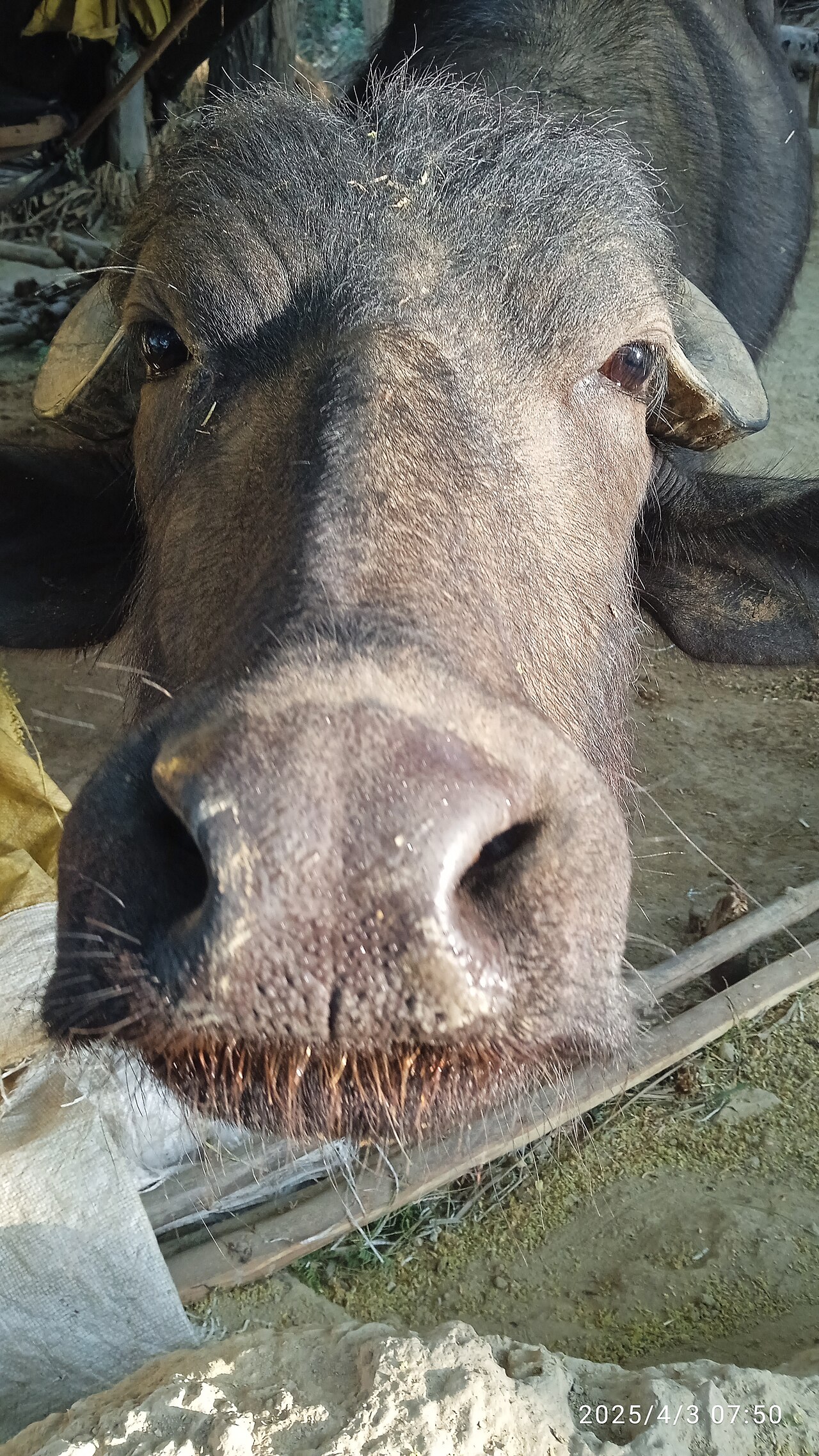
India's milk production is forecast to grow by 2 per cent in 2027, slower than the estimated 2.5 per cent in 2026, because El Niño-related drought is likely to cut feed and fodder supplies and lower animal productivity, according to the US Department of Agriculture's Foreign Agricultural Service (FAS), Rural Voice reported.
In its Dairy and Products Annual for India, prepared by its New Delhi office, FAS puts output at 226.5 million tonnes for January-December 2027, against a revised 222 million tonnes for 2026. India is the world's largest producer and consumer of milk. Part of the drought effect is expected to be offset by more high-yielding crossbred cows and by government breed improvement, disease control and dairy husbandry programmes; cows in milk are projected to rise 1.3 per cent to 63.3 million.
The sector remains built on small herds. Nearly 95 per cent of producers own one to five animals, a typical small farmer keeps two or three milch animals, and around 80 million rural households depend on dairying as their main income. Uttar Pradesh, Rajasthan, Madhya Pradesh, Gujarat, Maharashtra and Punjab together produce more than 60 per cent of the milk. Feed is the main constraint: estimates from the ICAR-Indian Grassland and Fodder Research Institute show shortfalls of 11-32 per cent in green fodder, 23 per cent in dry fodder and 28-40 per cent in concentrate feed.
Demand is expected to stay strong. FAS forecasts fluid milk consumption at 95 million tonnes and factory use at about 131.5 million tonnes in 2027, each up around 2 per cent. Butter output is projected at 7.6 million tonnes and skimmed milk powder (SMP) at 810,000 tonnes, up from 790,000 tonnes.
Costs are already showing in prices. Average milk procurement prices in January-August 2026 were about 4 per cent above the 2025 average, SMP prices about 8 per cent higher and butter about 10 per cent higher, and the report expects drought and tighter supplies to push dairy prices up further.
Exports are expected to fall as a result. FAS forecasts fluid milk exports at 25,000 tonnes against 30,000 tonnes in 2026, butter at 40,000 tonnes against 45,000, and SMP at just 7,000 tonnes, less than half of 2026's estimated 15,000 tonnes. Imports should stay negligible behind duties of 20 to 60 per cent on most dairy products, with tariff-rate quotas for milk powder and butter held by government-linked bodies such as NDDB, NCDF and NAFED.
Photo: Shivam nova / Wikimedia Commons (CC BY-SA 4.0)
Source: Rural Voice (reported by Ajeet Singh)

Comments
(0)