
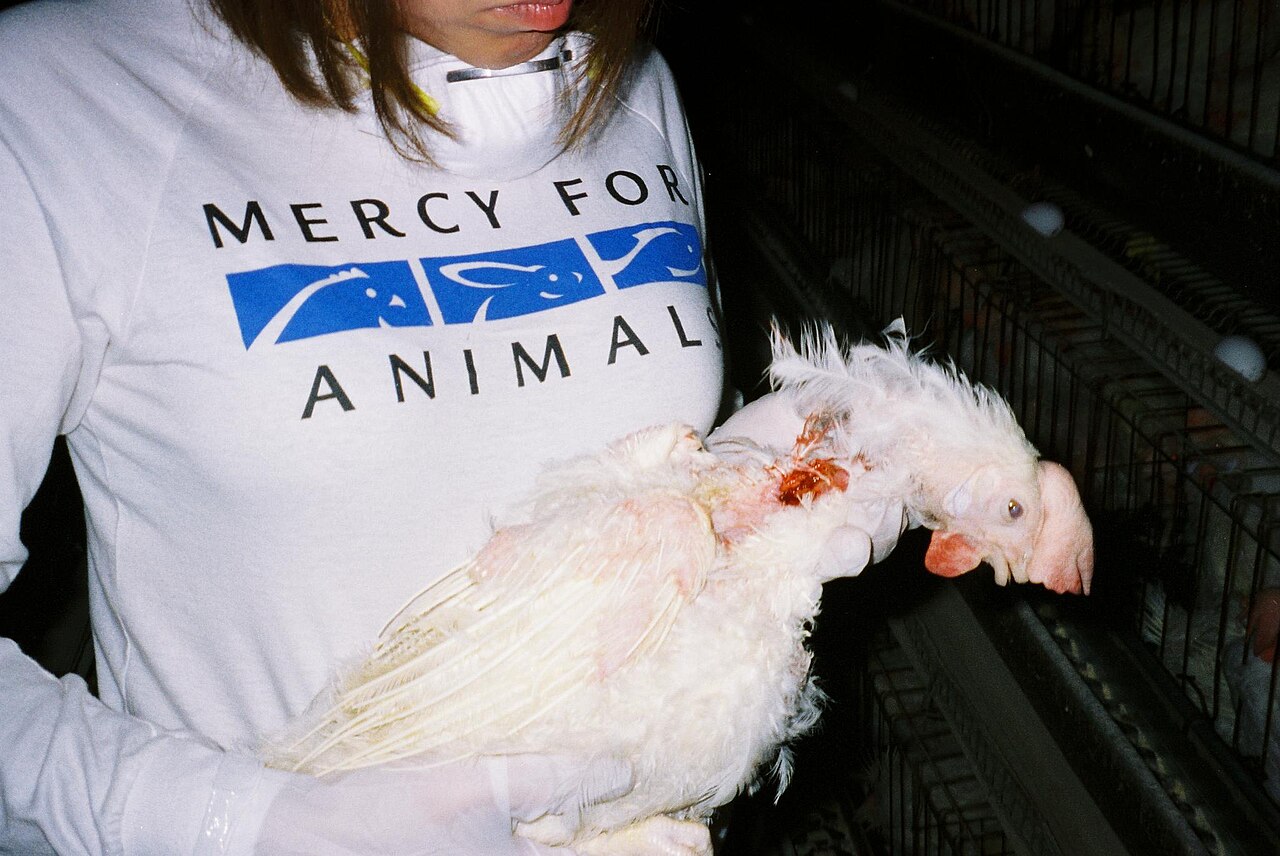
More European countries are banning cages for laying hens, and the European Commission has proposed in its Livestock Strategy to phase them out across the EU, FoodNavigator reports.
EU law already sets minimum cage sizes. The laying hens directive of 1999 requires 750 cm2 of cage area per hen, 600 cm2 of it usable, a total cage area of at least 2,000 cm2 and a height of no less than 20 cm. Unenriched cages, those without a nest, perches and litter, have been banned since 2012, and organic production must be cage-free with around 1,667 cm2 of usable indoor area per hen.
Several member states go further. Enriched cages are banned in Austria, Luxembourg and Germany. Denmark, the Czech Republic and Wallonia in Belgium have pledged phase-outs, France is developing rules against building new cages according to the Institute for European Environmental Policy (IEEP), and legal provisions are under discussion in Estonia and Slovenia.
A ban on enriched cages is not always a ban on all cages, said Sander Wagemakers, associate at the law firm Two Birds: the Netherlands is banning enriched cages but not the larger colony cages. If the Commission's proposal becomes a regulation, he said, it would in effect end cages throughout the EU, but support from Parliament and member states is not assured, and farm reform remains politically sensitive.
Consumer support and supermarket commitments to free-range eggs may build momentum, Wagemakers said, though stated preferences do not always turn into purchases. Bans also cost producers: one study of the economics of leaving conventional or enriched cages found that significant capital investment may be needed and efficiency may fall. On the other hand, IEEP reports continued growth in demand for cage-free eggs in north-west Europe.
For egg producers, the direction is clear even if the timetable is not: restrictions on caged farming are growing across Europe whether or not an EU-wide ban is agreed.
Photo: Mercy For Animals MFA / Wikimedia Commons (CC BY 2.0)
Source: FoodNavigator

Comments
(0)