
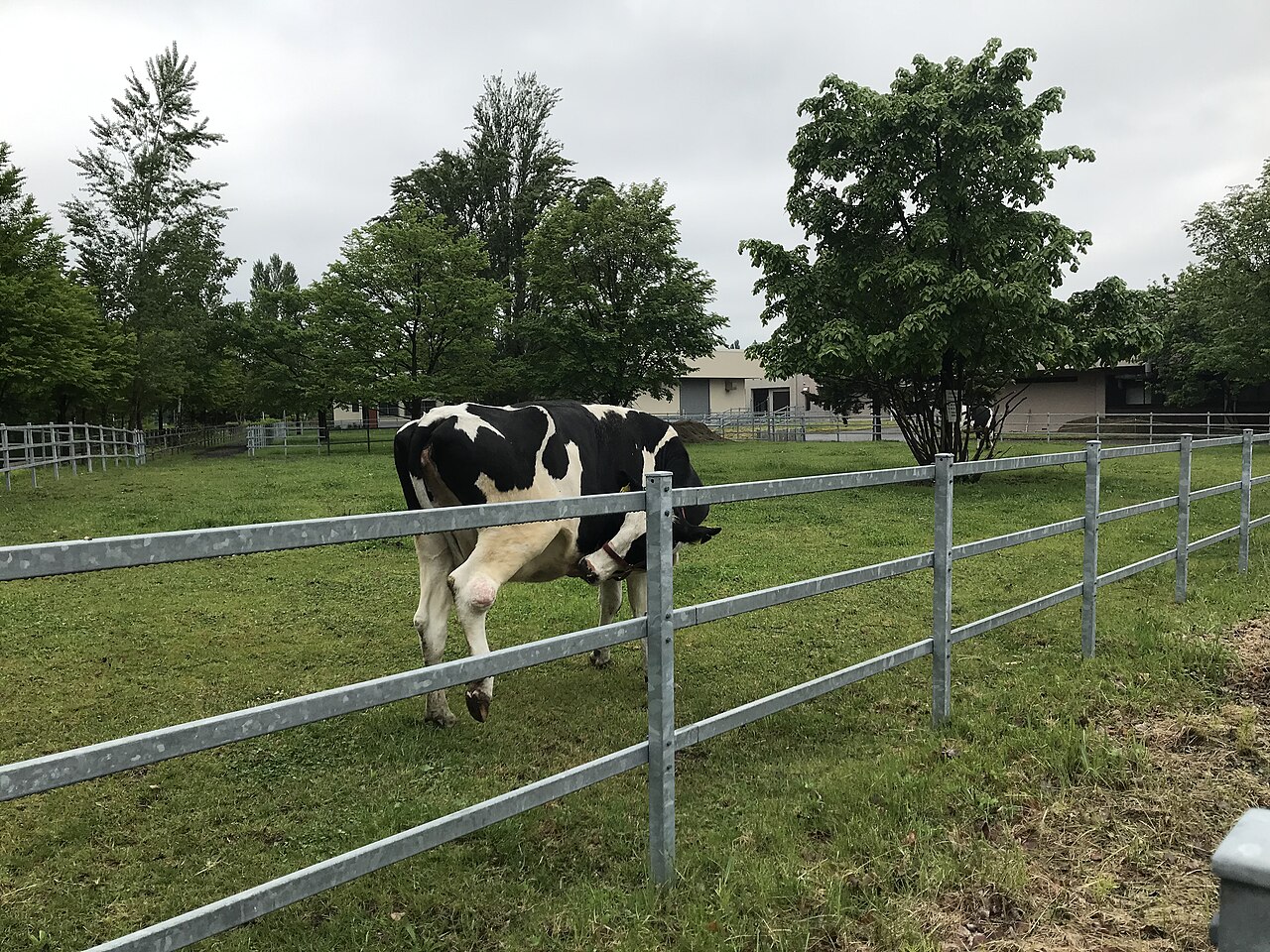
The number of dairy farms in Japan shipping raw milk to designated producer organisations fell to 9,019 at the end of September, according to the Japan Dairy Council, and the agriculture minister has promised more support to keep the sector going.
Speaking at a Ministry of Agriculture, Forestry and Fisheries (MAFF) press conference on 6 November, minister Takebe said raw milk production had stayed largely stable despite the falling number of farms, "due to the expansion of scale and the increase in milk yield per cow".
The figures follow an announcement by producer groups in Hokkaido, Japan's largest dairy region, of a target to reduce raw milk output next year, the first cut in four years. Takebe said a cooler than average summer had raised milk production while consumption of drinking milk and dairy products fell, so supply and demand had eased significantly. The cut in Hokkaido showed how hard it has become for the sector to balance supply with softening demand.
He said small and medium dairy farms must keep an active role and that the ministry would give "solid support" so that a range of businesses could continue. The work will follow the Basic Policy for Modernising Dairy and Beef Cattle Production adopted in April 2025: smart livestock farming to deal with labour shortages, better productivity, new dairy products to widen demand, and more home-grown feed, mainly roughage, to cut dependence on imports.
Takebe also appealed directly to consumers, saying their cooperation mattered more than anything for the future of dairy farming, and asked people to drink "a glass of milk more than usual".
Japan's position shows a pattern seen in many dairy countries: fewer but larger farms keeping output up, and governments turning to technology and local feed to keep the remaining herds viable when demand softens.
Photo: ノボホショコロトソ / Wikimedia Commons (CC BY-SA 3.0)
Source: AgNavigator

Comments
(0)