
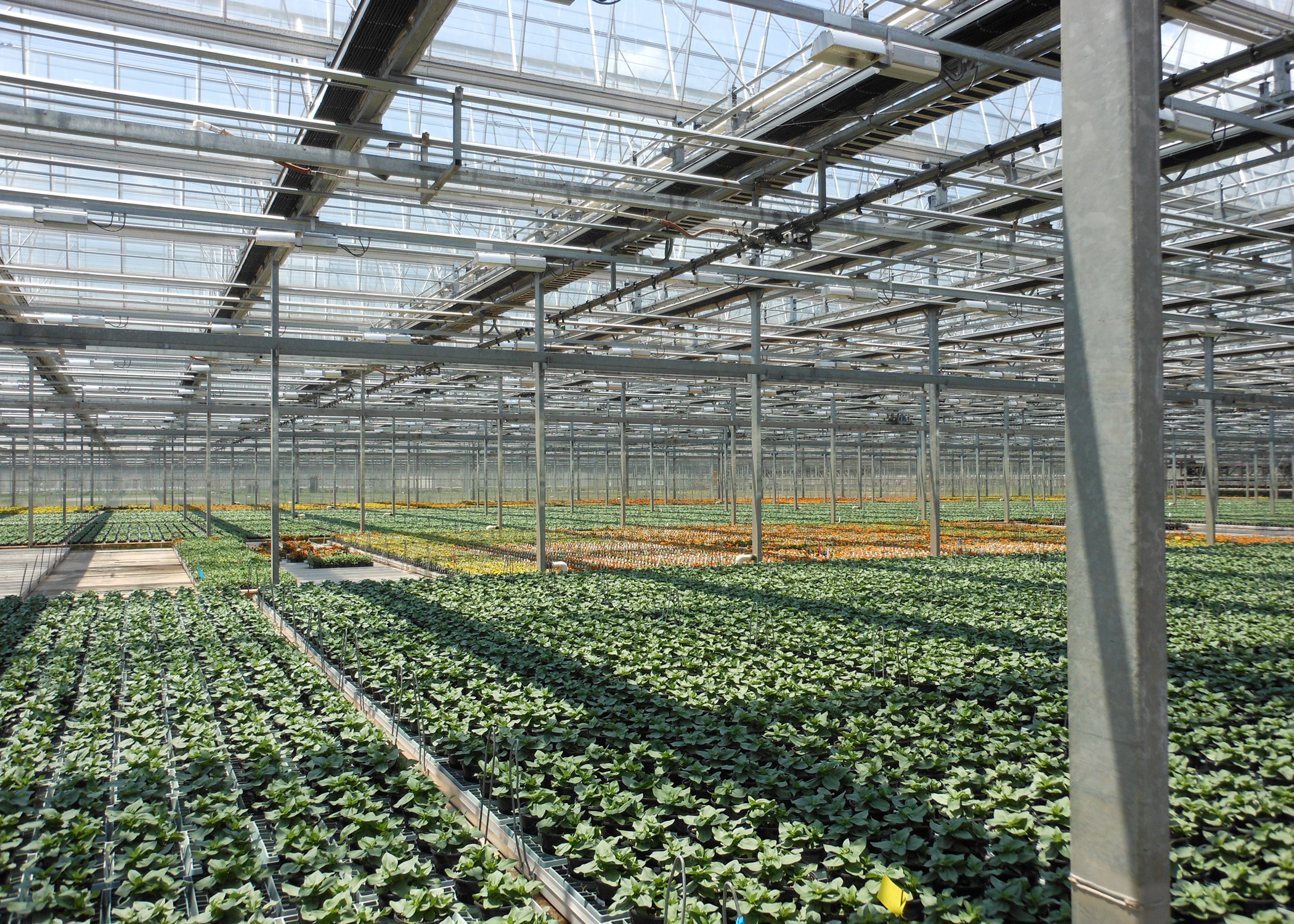
Horticulture operations in the United States sold $18.3 billion worth of floriculture, nursery and specialty crops in 2024, according to the 2024 Census of Horticultural Specialties, released in Washington on 26 February 2026 by the US Department of Agriculture’s National Agricultural Statistics Service (NASS). The country had 23,060 such operations.
NASS describes the census as the only source of detailed production and sales data for floriculture, nursery and specialty crops for the whole United States. Both sales and the number of operations were higher than in 2019, which the agency attributed to the addition of mushrooms and hemp grown under protection in this round.
“First conducted in 1889, the horticulture census provides data on sectors for which there are no other comprehensive data sources,” said Joseph L. Parsons, the NASS administrator. “It is a valuable tool to highlight the contribution horticulture growers bring to our local, state, and national economies as well as changes in the industry over the past five years.”
Where the sales came from
Production is concentrated. Ten states accounted for 67% of all American horticulture sales in 2024, led by California at $3.07 billion, Florida at $2.15 billion and Oregon at $1.29 billion.
The top commodities, with the change against 2019, were:
- Nursery stock: $5.34 billion, up 17%
- Annual bedding and garden plants: $2.67 billion, up 19%
- Sod, sprigs and plugs: $1.70 billion, up 34%
- Potted herbaceous perennials: $1.36 billion, up 47%
- Potted flowering plants: $1.29 billion, up 7%
- Food crops under protection: $1.01 billion, up 44%
- Propagative materials, bareroot and unfinished plants: $780 million, up 8%
A nursery is a place where plants are propagated and grown to a desired size, mostly for gardening, forestry or conservation. Sod is the upper layer of turf, grass with its soil, harvested for transplanting.
Ownership and costs
Family- or individually-owned businesses were the most numerous, at 56% of operations, but corporate-owned operations took 63% of sales, or $11.6 billion. Total industry expenses were up 33% from 2019, with labour the largest cost at 36% of total expenses in 2024.
How it compares with the last census
The previous census, covering 2019, was published in December 2020. It counted $13.8 billion in sales from 20,655 operations. California ($2.63 billion), Florida ($1.93 billion) and Oregon ($1.02 billion) led then too, and ten states made up 66% of sales. In 2019 corporate-owned operations accounted for 75% of sales, and labour for 42% of total expenses.
The Census of Horticultural Specialties is part of the wider Census of Agriculture programme. It records the number and types of establishments in horticultural production, the value of sales, the range of products and production expenses. Every operation that reported producing and selling $10,000 or more of horticultural crops in the 2022 Census of Agriculture was included in this special study.
Photo: USDA / Wikimedia Commons (Public domain)
Sources: USDA National Agricultural Statistics Service (26 February 2026), Texas Farm Bureau (15 December 2020), Wikipedia


Comments
(0)