
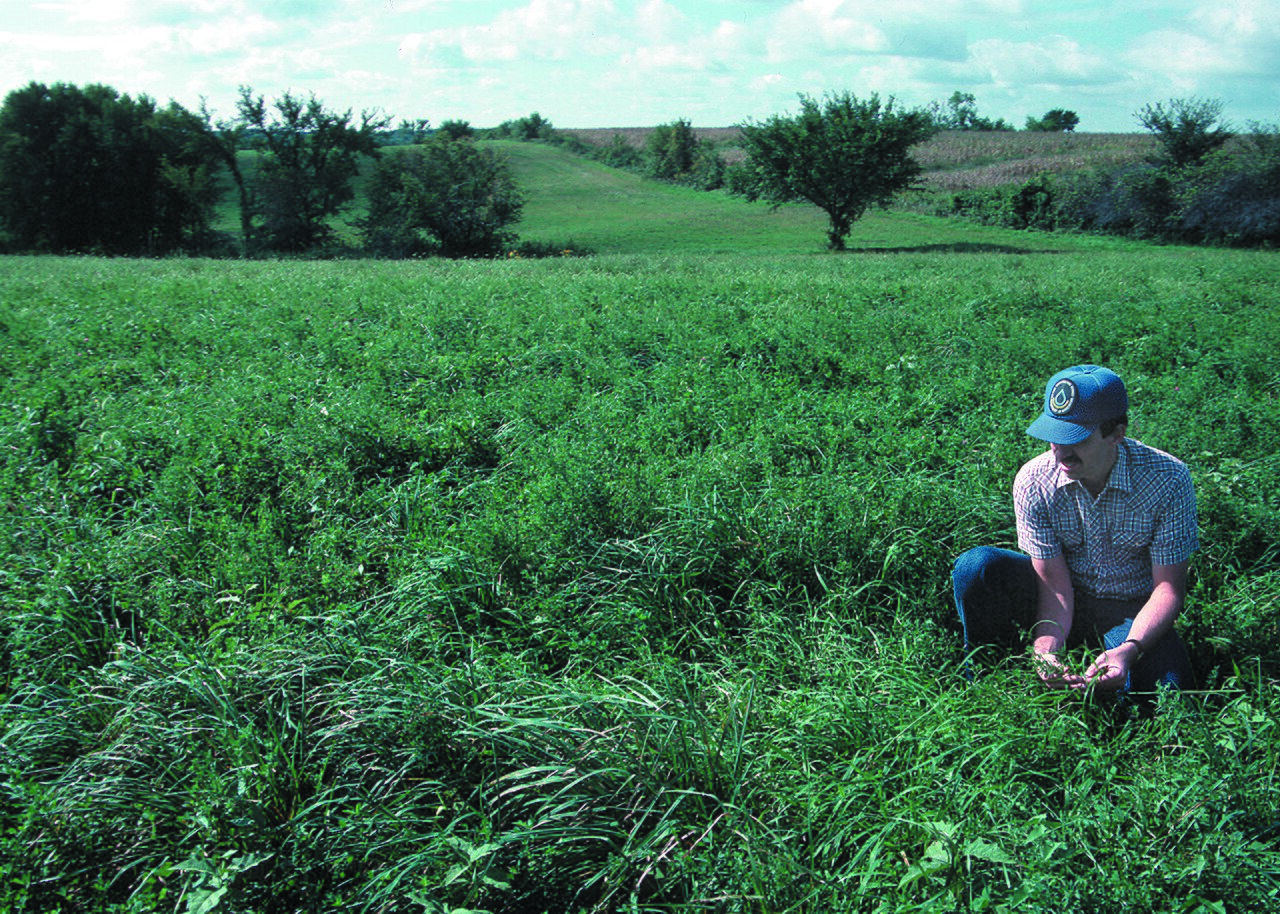
The United States Farm Bill expired again on 30 September after Congress failed to agree a new long-term farm law, despite years of negotiation and three short-term extensions of the 2018 legislation. The lapse had an immediate effect: the Department of Agriculture's Farm Service Agency has paused approval of new Conservation Reserve Program contracts, saying it has "no statutory authority to approve contracts after Sept. 30" until Congress acts.
Crop insurance and the Supplemental Nutrition Assistance Program continue without interruption, because they run under permanent or separately funded authority. Other programmes, including conservation schemes beyond the CRP, farm research funding, rural development, trade promotion and farm energy programmes, now face funding uncertainty. Farm Policy News, which reported the expiry on 2 October, said three smaller programmes, the Biobased Markets Program, the Biorefinery Assistance Program and the Rural Economic Development Program, received no new funding authority at all.
Commodity price support and dairy programmes are not yet affected but expire formally on 31 December, giving lawmakers a harder deadline before the year ends.
The House of Representatives passed its version of a new Farm Bill earlier this year and the Senate Agriculture Committee advanced its own in September, but the two have not been reconciled. Committee chairman John Boozman, an Arkansas Republican, said lawmakers would be "talking with members of our committee and conferencing this thing", with talks expected to run through the election recess into early November. Brian Glenn, director of government affairs at the American Farm Bureau Federation, said the group backs the broad direction of Boozman's bill.
Farm groups are increasingly frustrated. Aaron Lehman, president of the Iowa Farmers Union, said that "not having a comprehensive Farm Bill eight years after the last one was passed is extremely frustrating."
The bill matters beyond the United States because it shapes the support and insurance that influence how much American land goes to corn, soybeans, wheat and cotton. If the lapse reaches commodity programmes after 31 December, it could add uncertainty to US planting decisions for the next crop year. The CRP freeze also matters for land use, since the programme pays farmers to take cropland out of production for soil, water and wildlife.
Photo: Lynn Betts, USDA Natural Resources Conservation Service / Wikimedia Commons (public domain)
Source: Global Agriculture


Comments
(0)