
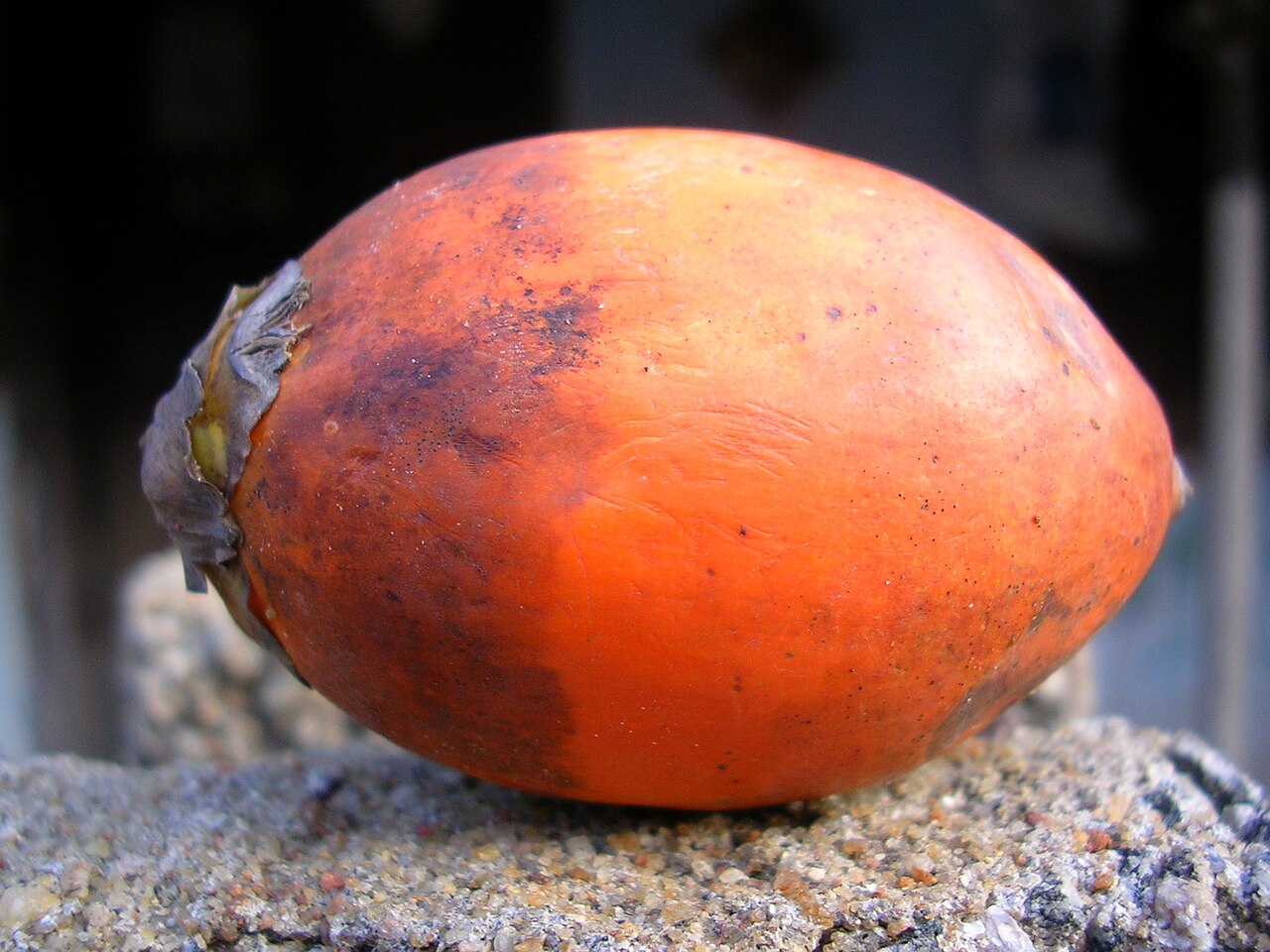
Chewing areca nut, usually with betel leaf and lime, is an old habit across South and Southeast Asia. A new study suggests it is far older than thought: people on the Indonesian island of Sulawesi were probably chewing areca nut regularly around 25,000 years ago, during the Ice Age. The study is published in the journal Science Advances.
Excavations in South Sulawesi uncovered the skeletons of two adult hunter-gatherers, one dated to between 25,000 and 16,000 years ago and the other to between 7,600 and 6,300 years ago. Despite at least 10,000 years between them, several of their teeth carried the same deep, rounded grooves, a kind of wear researchers had not seen before in prehistoric teeth.
The researchers think the two kept a hard, roughly round object between their teeth for long periods, and the shape of an areca seed matches the wear. In one person the damage was so deep that the pulp chamber of several teeth was exposed.
To test the idea, the team soaked areca nut in artificial saliva and applied the liquid to frog egg cells prepared to carry specific human brain receptors. Even whole nuts released arecoline, an active compound that acts on the brain, after long contact with saliva. Biomolecular analysis of the ancient teeth then found arecoline too.
Both individuals had long-standing dental problems, and arecoline has some pain-relieving properties, so the researchers suggest the nut may also have been chewed to ease toothache, even though more chewing meant more damage.
The common view has been that the use of psychoactive plants spread after farming began, about 12,500 years ago. The Sulawesi evidence pushes that back to at least 16,000 and possibly 25,000 years. The report notes that areca nut is the world's most widely used addictive substance after alcohol, caffeine and nicotine, and that regular use is linked to a high risk of mouth cancer.
The report by Prothom Alo's lifestyle desk draws on The Conversation and Science Advances.
Photo: Banni Pulikottil / Wikimedia Commons (CC BY 2.5)
Source: Prothom Alo




Comments
(0)