
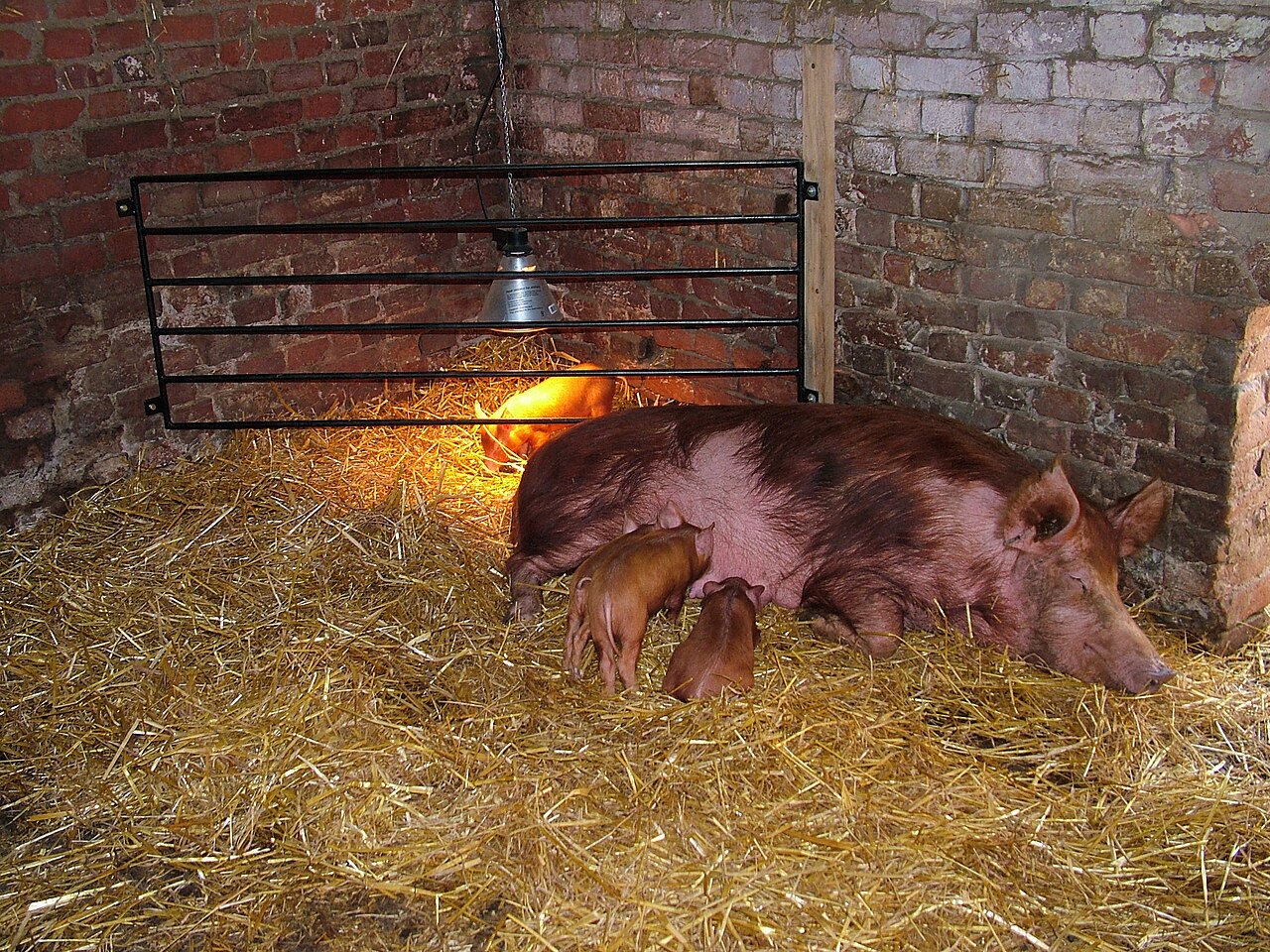
Antibiotic use on the world's farms and in food systems could rise by 29.5% from 2019 levels to about 142,481 tonnes a year by 2040 unless countries change course, according to the updated global action plan on antimicrobial resistance (AMR) behind this year's World AMR Awareness Week, which runs from 18 to 24 November.
The week's theme is "One Health, one action: Prevent AMR now". It is promoted by the Food and Agriculture Organization (FAO), the World Health Organization (WHO), the UN Environment Programme (UNEP) and the World Organisation for Animal Health (WOAH), which argue that resistant microbes move between people, livestock, crops, food and the environment and must be tackled in all of them at once. FAO puts deaths associated with bacterial AMR at more than 4.7 million a year.
The Global Action Plan on Antimicrobial Resistance 2026-2036 was adopted by WOAH members on 21 May and by the World Health Assembly two days later. Its 2030 goals are a 10% cut in human deaths associated with bacterial AMR, lower antimicrobial use in agrifood systems and minimal pollution from resistant microbes and residues; only the deaths goal carries a number.
For livestock the starting point is mixed. Antimicrobial use in animals fell 5% globally between 2020 and 2022, with reporting covering 71% of the world's farmed animal biomass, and 71% of countries said in 2022 that they no longer used antimicrobials as growth promoters. The plan asks countries to phase out growth promotion, starting with drugs WHO lists as medically important, though with no deadline, and to keep preventive use prudent and in line with Codex standards. It stresses biosecurity, better husbandry, vaccination and alternatives, and covers aquaculture.
Crop farming is included too: soil health, biodiversity and integrated pest management are named as ways to cut inappropriate antimicrobial use, and fungicide use and antifungal resistance are flagged as gaps. The plan estimates livestock-sector GDP losses from AMR could reach US$575 billion by 2050, while a 30% cut in livestock antimicrobial use within five years could add US$120 billion to global GDP. Only 10% of countries reported dedicated domestic funding for their AMR plans in 2024.
Photo: Roy Haworth / Wikimedia Commons (CC BY-SA 2.0)
Source: Global Agriculture

Comments
(0)