
Fish ghers are being dug into farmland across Narail without any plan. Some fish traders offer farmers large sums for their land, then cut the soil into deep enclosures ringed by high embankments. In the monsoon these block the natural drainage of the low-lying fields, and fertile land that once grew three crops a year is losing its capacity for good.
In Lohagara upazila, at least 20 beels, among them Kumrir Beel, Chachri Beel, Patershari Beel, Amadar Beel, Ghaghar Beel and Ichhamatir Beel, now hold water for five to six months a year across thousands of acres. Farmers cannot plant on time and are taking heavy losses.
Raich Uddin Tipu, a farmer at Amadar Beel, said so many ghers have been cut that water from the Madhumati River no longer reaches the beel, and much of the land lies fallow year after year. "Now we no longer get three crops," he said. Masud Parvez of Ghaghar Beel said the same. Moshiar Rahman of Dinonathpara village said the Ichhamati beel once gave several harvests a year, but water has stood on it for some years and now only one crop is possible.
District Fisheries Officer Mahbubur Rahman said the district's three upazilas have 5,391 fish ghers in 57 beels. Unplanned digging in at least 20 of those beels has turned about 10,000 to 12,000 hectares of triple-crop land into double-crop land, and another 2,000 hectares are permanently waterlogged.
Mohammad Ariful Rahman, deputy director of the Department of Agricultural Extension in Narail, said that converting farmland to a gher legally requires a change in the land's classification and clearance from the Department of Environment, but some people are digging ghers in breach of the law.
The damage goes beyond crops. Shah Alam, Narail president of the Bangladesh Poribesh Andolon (BAPA), said open water bodies are not just places to farm fish: gher digging puts the land in private hands and takes away people's rights to a common resource. Agriculturist Obaidur Rahman Cent, former head of agriculture at Lohagara Government College, said the open beels are a refuge for migratory and resident birds, and the ghers are leaving them short of food and shelter while aquatic life declines.
Reported by Krishi Shomoy's Narail correspondent.
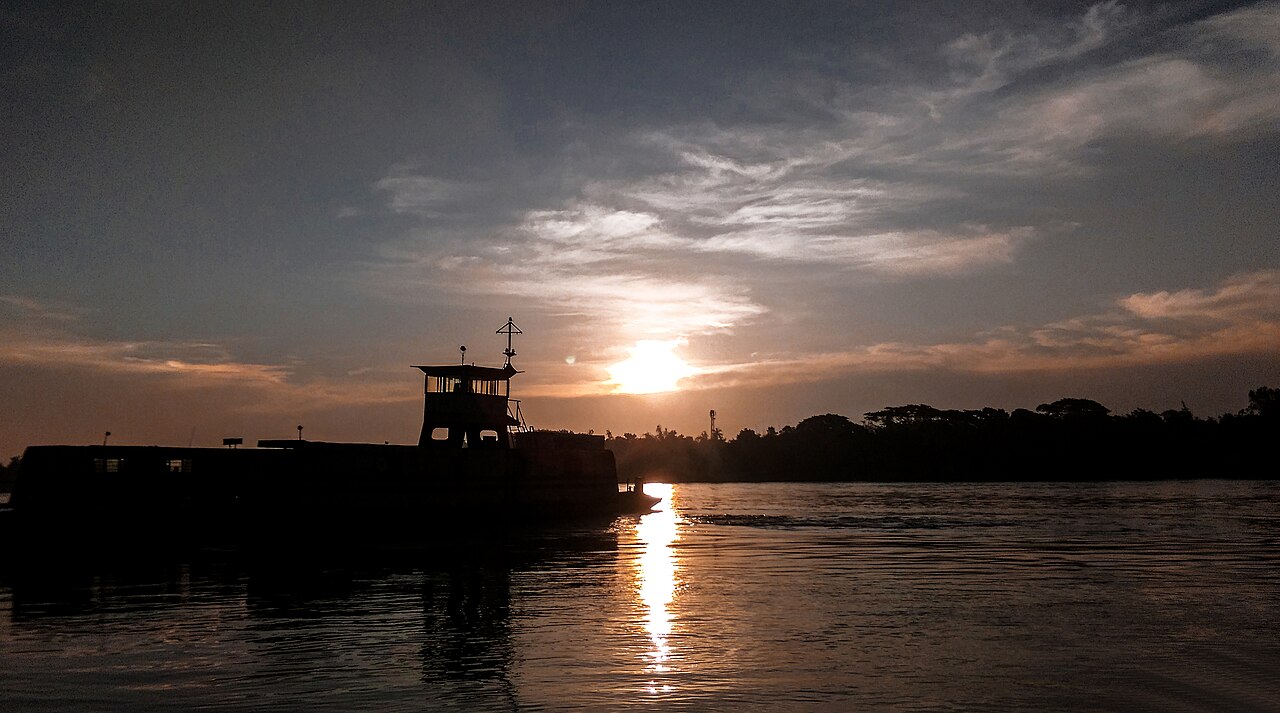
Photo: Lohagara, Narail, Mazharul Sabuz / Wikimedia Commons (CC BY-SA 4.0)
Source: Krishi Shomoy

Comments
(0)