
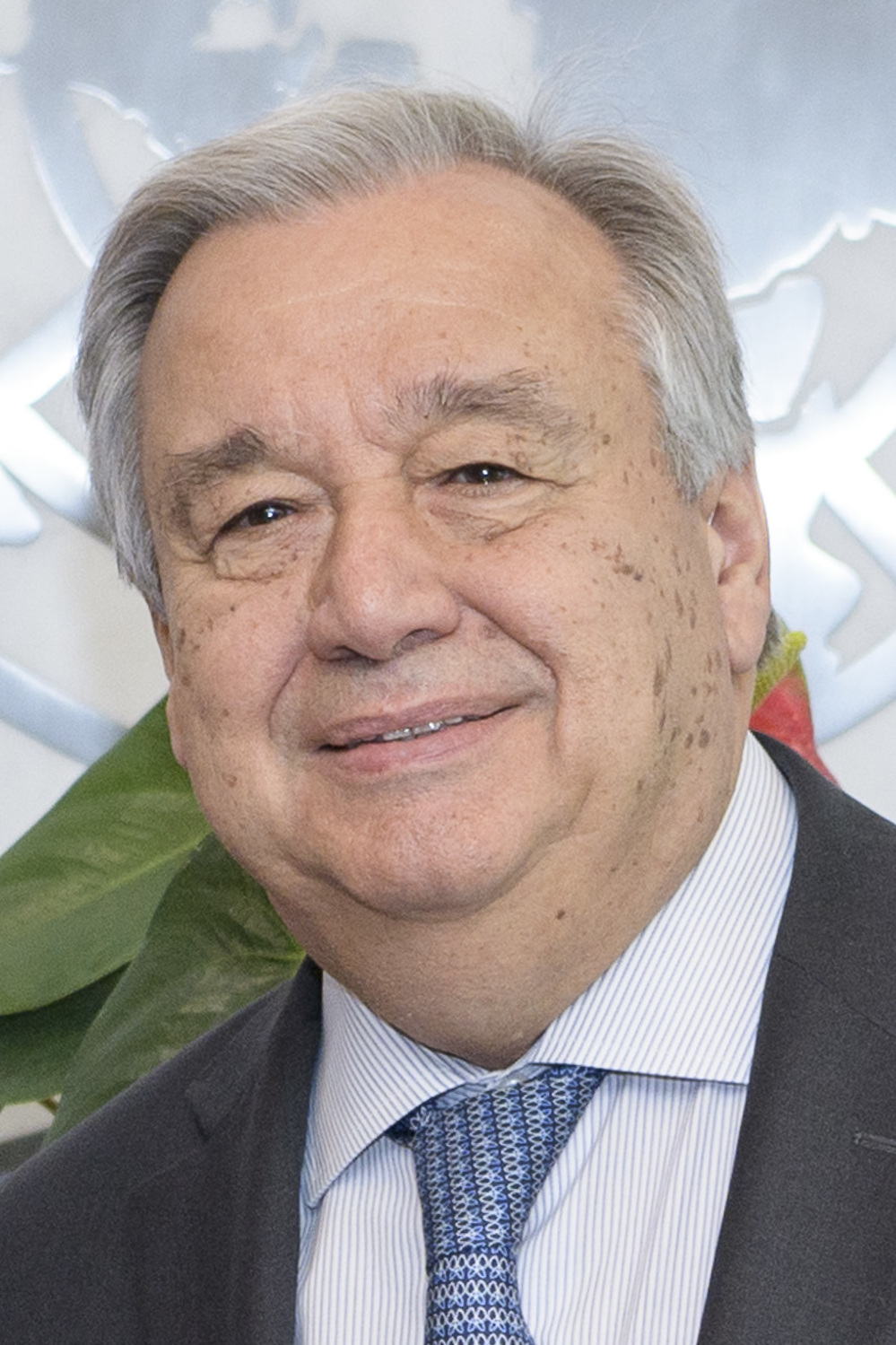
UN Secretary-General Antonio Guterres has proposed a tax on the windfall profits of oil and gas companies, with the money spent on recovery and loss and damage in the countries hit hardest by climate change. He made the proposal on Wednesday in a speech to the leaders' summit of COP31 in Antalya, Turkey, Samakal's Zahidur Rahman reported from the conference.
Fossil fuel companies are making huge profits while the countries most at risk from climate change cannot get the money they need, Guterres said. To end that injustice the polluters must bear the financial cost of the damage; in his words, polluters must pay.
He sharply criticised the fossil fuel lobby. The case for fossil fuels is getting weaker, he said, yet the industry's lobbying is holding back climate action. Dinosaurs had no lobby, he remarked, but fossil fuels do.
Guterres voiced concern about the goal of limiting global warming to 1.5 degrees Celsius. Even if the limit is temporarily overshot, he said, how far temperatures rise and for how long still depends on the decisions people make now.
Solar power is spreading fast, he noted, and clean energy is now the cheapest source of new electricity in many parts of the world. He called for at least tripling renewable generating capacity by 2035, cutting coal power and the use of oil and gas, halting new fossil fuel infrastructure, and reducing methane emissions.
About three-quarters of the world's people live in countries that depend on imported energy, Guterres said, so swings in world energy prices and supply hit their economies and daily lives directly; cutting reliance on fossil fuels is therefore a matter of economic and energy security too. He urged developed countries to deliver their pledge of at least US$300 billion a year in climate finance for developing countries by 2035, and to raise funding for adaptation.
Photo: Cancillería Argentina / Wikimedia Commons (CC BY 2.0)
Source: Samakal


Comments
(0)