
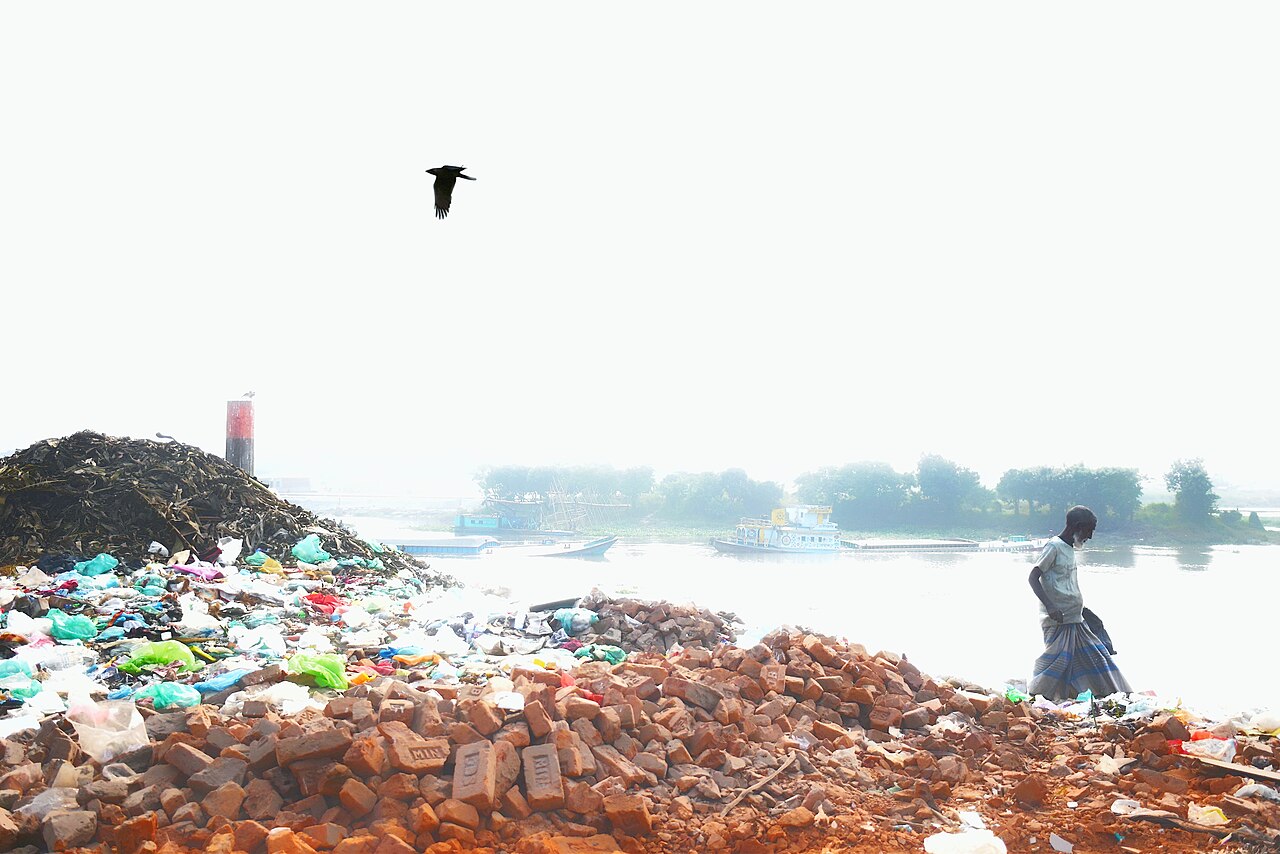
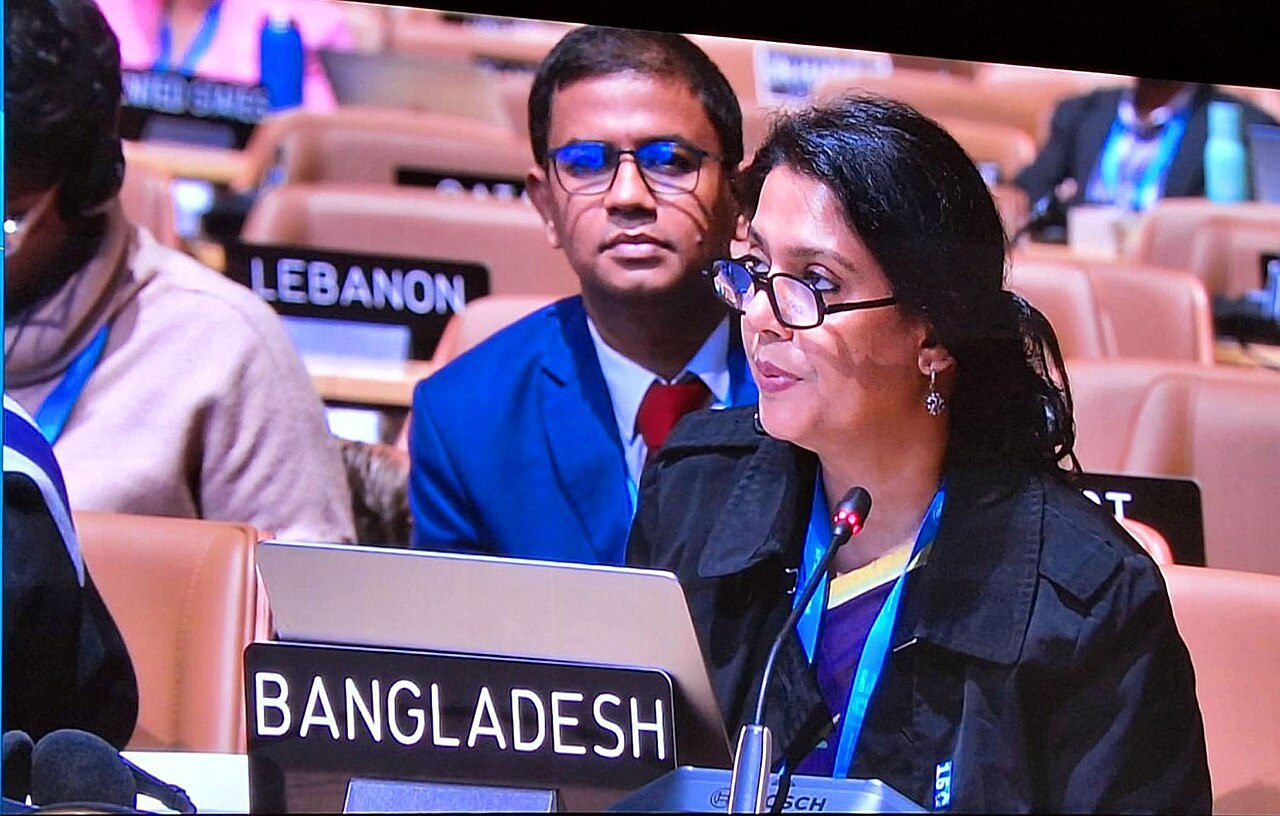
Bangladesh set out its plans for turning waste into a resource and clean energy at COP31, the UN climate conference in Antalya, Turkey. Dr Zubaida Rahman, Bangladesh's first spouse, described them on Wednesday at the Global Zero Waste Alliance, a high-level meeting of the spouses of heads of state and government convened by Turkey's first lady, Emine Erdogan.
A waste-to-energy project in Dhaka plans to process 3,000 tonnes of household waste a day and generate 42.5 megawatts of electricity, and the government wants similar plants in other large cities, she said. Recycling, composting, landfill gas recovery, better wastewater treatment, and the separation and safe disposal of hospital waste are also priorities.
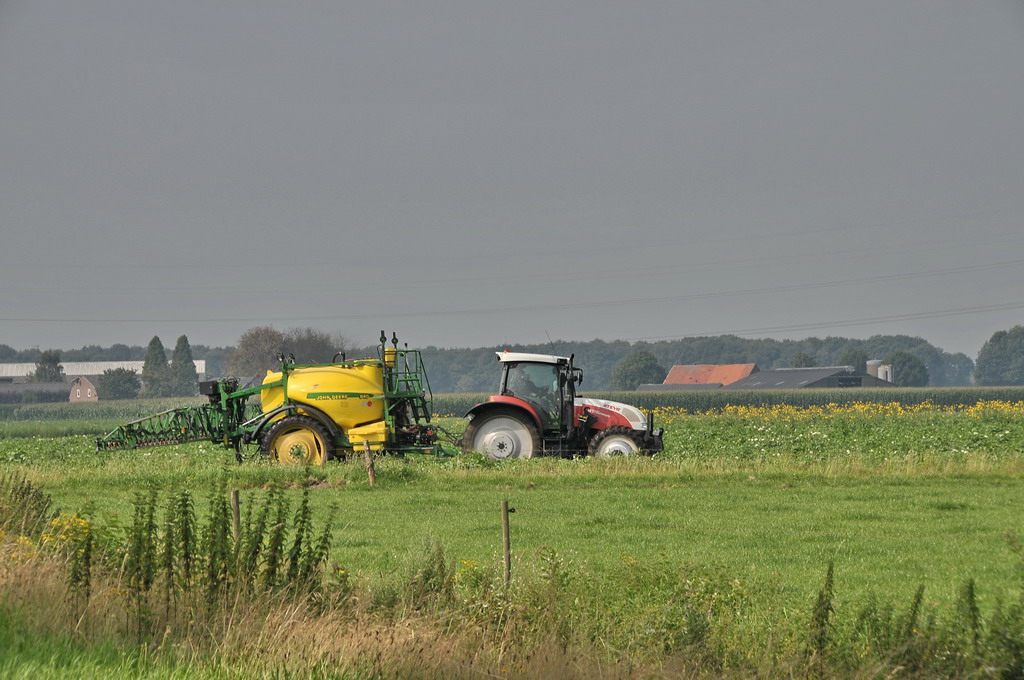
The farm link is methane. As a signatory to the Global Methane Pledge, Bangladesh is promoting climate-friendly agriculture and improved rice cultivation methods to cut methane emissions, she said, and has begun turning organic waste into organic fertiliser and clean energy.
On policy, the government's 3R strategy encourages reducing, reusing and recycling waste, and the solid waste management rules stress separating waste at source and disposing of it safely. Bangladesh's third nationally determined contribution, NDC 3.0, sets a target of cutting emissions from the waste sector by 1.78 million tonnes of carbon dioxide equivalent by 2035.
To reduce plastic pollution the government is promoting jute products, she said, inviting participants to visit the Bangladesh Jute Pavilion in the conference Green Zone. She also spoke of efforts to keep lakes, canals, ponds and other water bodies clean, and of bringing young people into waste management through families, schools and communities.
No country can build a zero-waste society alone, Zubaida Rahman said; it needs affordable climate finance, technology transfer and capacity building, together with the private sector and protection for the informal workers who handle waste. Waste should not be left to rot, she said, but turned into a resource, a source of energy and an economic opportunity. Samakal's correspondent reported from Antalya.
Photo: Frameofashik / Wikimedia Commons (CC BY-SA 4.0)
Source: Samakal

Comments
(0)