
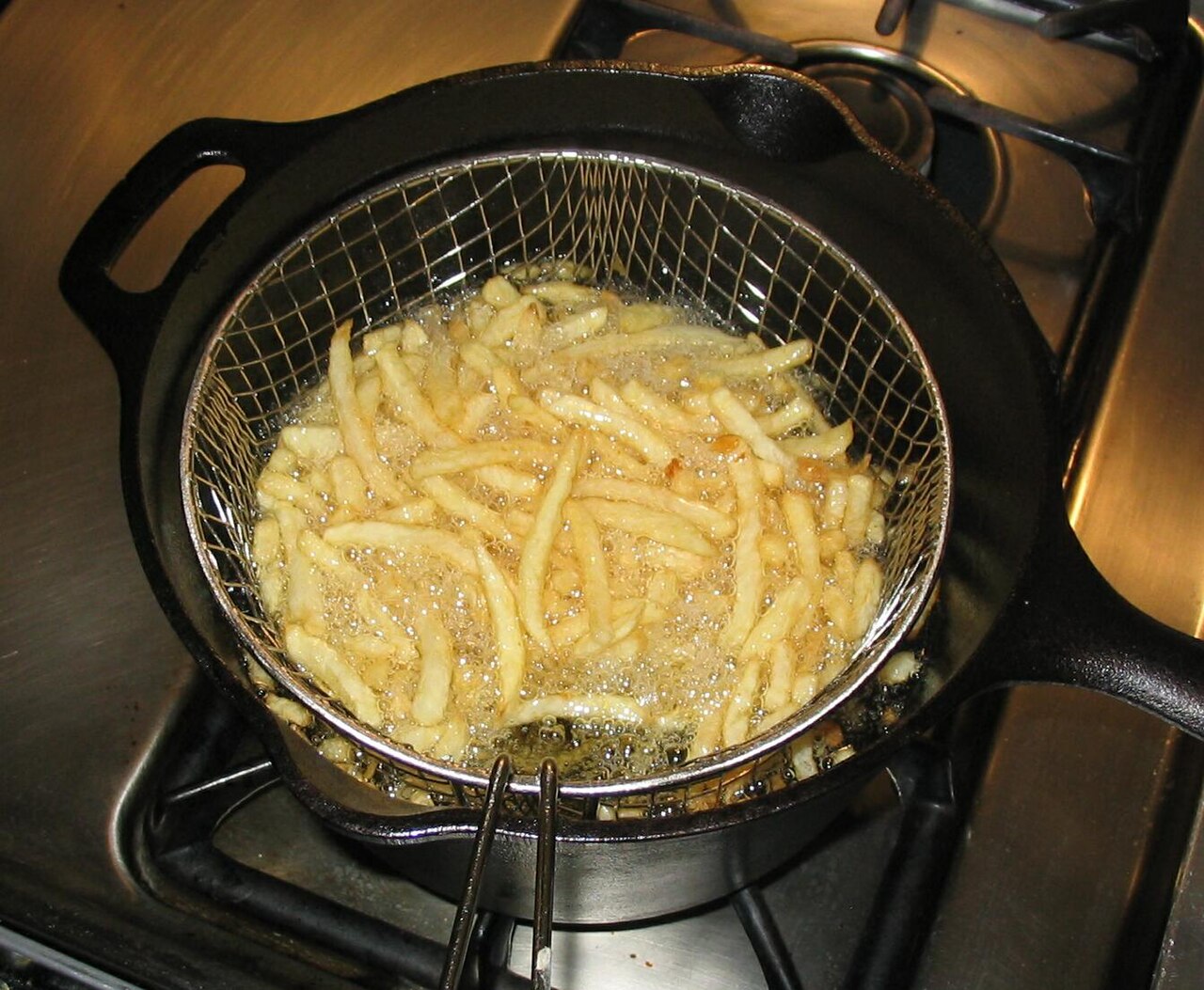
The chairman of the Bangladesh Food Safety Authority (BFSA), Shafiqul Islam, has urged people to stop cooking with repeatedly used oil and to have it collected and turned into biodiesel instead. Speaking on Wednesday at a seminar on the harm used cooking oil does to human health and the environment, at the BFSA head office on Kazi Nazrul Islam Avenue in Dhaka, he said businesses as well as households must give up burnt oil. The seminar was organised by the BFSA and Biotech Energy Limited.
Presenting the keynote paper, BFSA member Dr Mohammad Soeb said reusing cooking oil again and again raises the risk of high blood pressure, heart disease and heart attack, can lead to fat building up in blood vessels, and can cause liver damage and raise cancer risk. The paper also covered how used oil degrades, the dangers of trans fatty acids and ways to control trans fat.
Of all the heart's enemies, burnt oil is the most dangerous, the BFSA chairman said. People take care to protect their heads, and the heart needs the same care, yet burnt oil damages it directly.
Used oil is thrown away in many ways, Shafiqul Islam said, and the most sustainable option is to hand it to companies that convert it into biodiesel, which saves money and protects the environment. BFSA members ANM Nazim Uddin and Dr Mohammad Mostafa also urged turning used oil into biodiesel rather than dumping it, saying it can fuel vehicles and machines.
Abdullah Al Hamid, managing director of Biotech Energy, said his company now collects more than 100 tonnes of used oil a month from at least 3,000 food businesses across the country and makes biodiesel at its own plant in Savar, with a target of 1,000 tonnes a month by 2030. A single litre of used cooking oil can pollute about a million litres of water, he said.
The seminar was chaired by BFSA member (joint secretary) Md Anwarul Islam Sarker and attended by BFSA staff, Biotech Energy representatives and traders. Its message for kitchens: avoid frying in the same oil again and again, and hand used oil to collectors rather than pouring it down the drain.
Photo: Hayford Peirce / Wikimedia Commons (CC BY-SA 3.0)
Source: Samakal

Comments
(0)