
Researchers in Japan have identified two opposing groups of gut bacteria that appear to link everyday habits with chronic disease, in a study of 6,803 people published on 5 November in Nature Medicine. One group is associated with plant foods, fermented foods, coffee and exercise; the other with refined carbohydrates, sugary soft drinks, smoking and long hours of sitting.
The study was carried out by Tokyo Medical University, the Japan Institute for Health Security, the University of Tokyo and RIKEN, with Associate Professor Naoyoshi Nagata of Tokyo Medical University as corresponding author. The team sequenced all the genetic material in stool samples, measured stool metabolites and, for about 1,700 people, blood markers of inflammation, then estimated how much of the link between a habit and 15 chronic diseases, including inflammatory bowel disease and type 2 diabetes, runs through particular bacteria.
On the healthy side were butyrate producers such as Faecalibacterium prausnitzii and Anaerostipes hadrus, which ferment dietary fibre into a fatty acid that helps maintain the gut lining; they tracked with lower inflammation. Vegetables, fruit and mushrooms were linked to microbial genes that break down plant fibres, and fermented soy to Adlercreutzia bacteria involved in making equol from soy isoflavones.
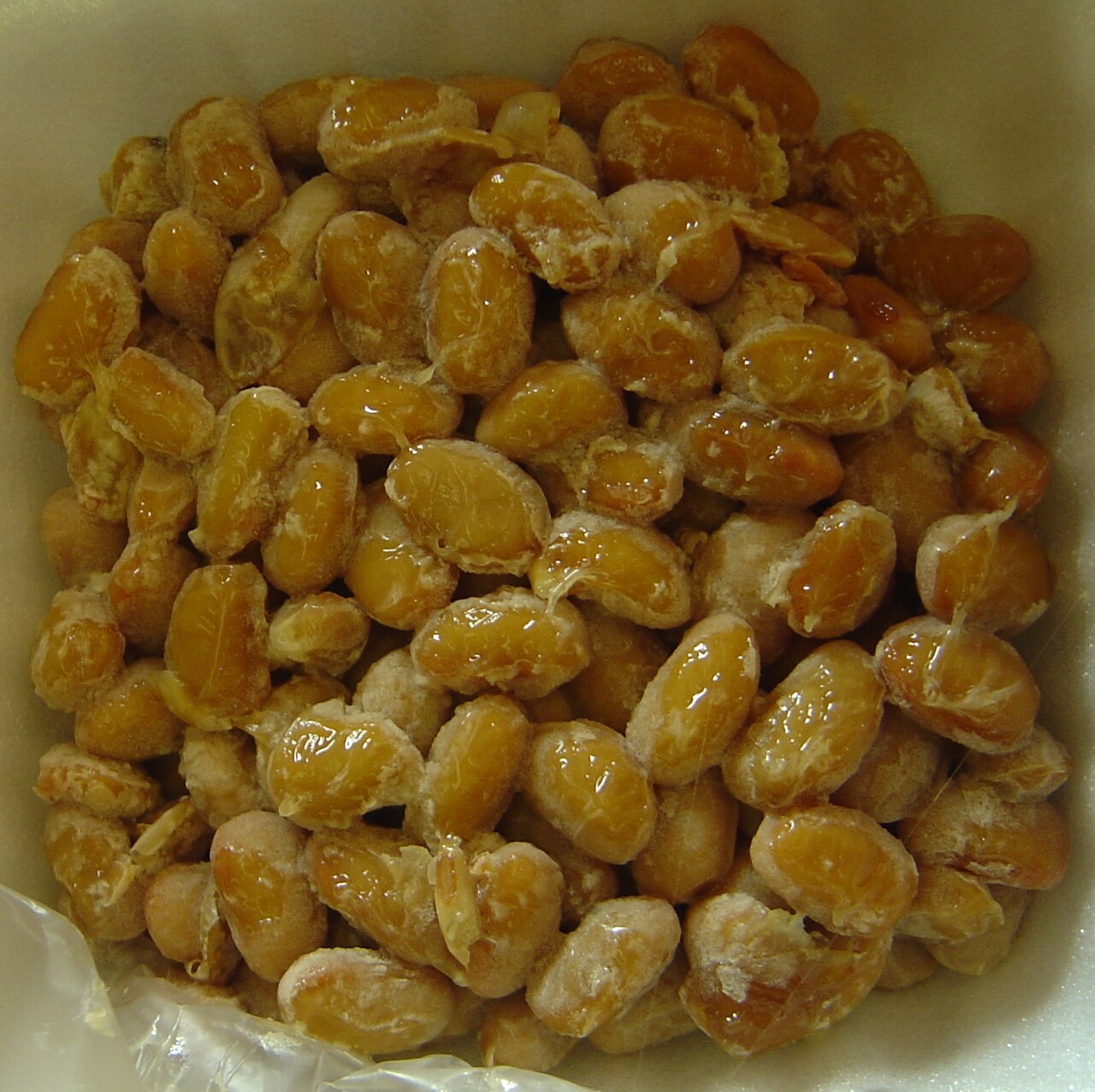
On the disease side, 26.3% of the mediating bacteria normally live in the mouth, and 14.3% were pathogen-related. White rice, bread, noodles and soft drinks were associated with Escherichia coli and Klebsiella pneumoniae and with genes for sugar uptake and inflammatory molecules. The live microbes from natto, miso, kimchi and yoghurt were found in participants' guts but did not explain any of the health links; the benefit appeared to come through the gut's own resident bacteria.
The team built a MADE score from gut bacteria that separated inflammatory bowel disease with an AUC of 0.87, and the pattern held in 11 of 13 overseas cohorts. The health score rose with vegetables, fruit and natto, and the disease score with soft drinks, smoking and sitting.
The researchers stress that the study is observational: it shows statistical pathways, not proof that the bacteria cause disease. Funders included public bodies as well as Ezaki Glico, Danone and J-Milk, which the institutions say had no role in the study.
Photo: David Monniaux / Wikimedia Commons (CC BY-SA 3.0)
Source: Global Agriculture



Comments
(0)