
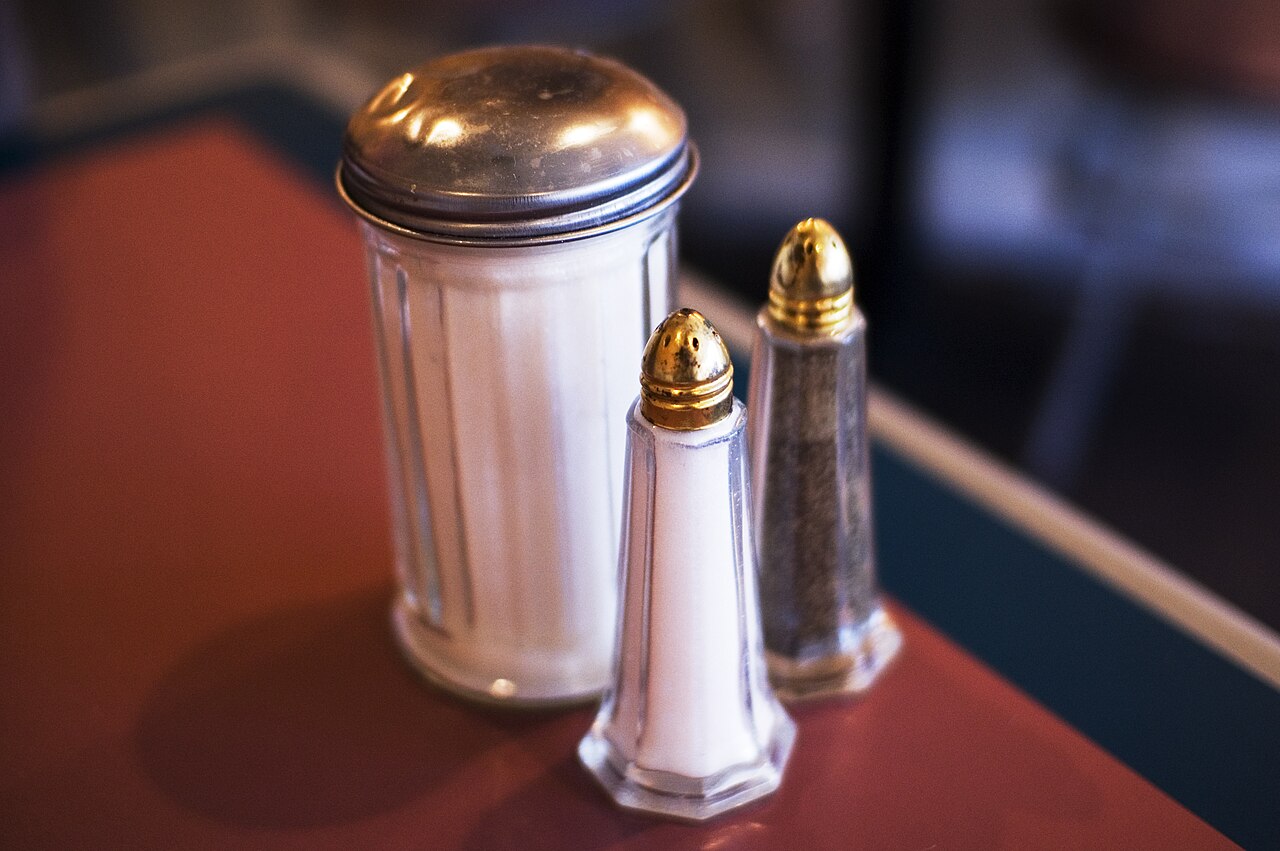
Replacing ordinary salt with potassium-enriched salt worldwide could prevent almost 3 million deaths and more than 10 million new cases of cardiovascular and chronic kidney disease a year, according to a modelling study led by The George Institute for Global Health and published on 4 November in Nature Health.
Potassium-enriched salt replaces part of the sodium chloride with potassium chloride; the institute says it looks, tastes and cooks much like ordinary salt. Sodium raises blood pressure and potassium helps lower it, so the swap acts on both. The team simulated the switch across 193 countries covering about 4.6 billion adults.
Replacing every source of salt, at home and in processed and restaurant food, prevented an estimated 2.96 million deaths and 10.17 million disease cases a year. Home salt alone prevented about 1.85 million deaths, and processed and restaurant food alone about 1.56 million. Even switching only 80% of people already diagnosed with high blood pressure prevented about 590,000 deaths a year. China would gain most, about 1.08 million deaths prevented, followed by India with about 400,000.
In Europe and North America more than 70% of salt comes from processed and restaurant food, so food makers would need to reformulate products for the full benefit. Supply is another limit: Bruce Neal of the institute said potassium chloride production would have to scale up. It is the same compound sold to farmers in far larger volumes as potash fertiliser; the food grade is a purified form.
People with advanced kidney disease, or on medicines that raise blood potassium, risk dangerously high potassium levels. Professor Vivek Jha, a kidney specialist at The George Institute in India, said those risks can be managed through education, labelling and clinical oversight, and the study found population benefits outweighed them. The World Health Organization endorsed lower-sodium salt substitutes in a 2025 guideline.
The findings come from a computer simulation, not a clinical trial, and depend on the model's assumptions about salt intake and disease effects. Several authors received research support from Resolve to Save Lives.
Photo: Paul Goyette / Wikimedia Commons (CC BY-SA 2.0)
Source: Global Agriculture

Comments
(0)