
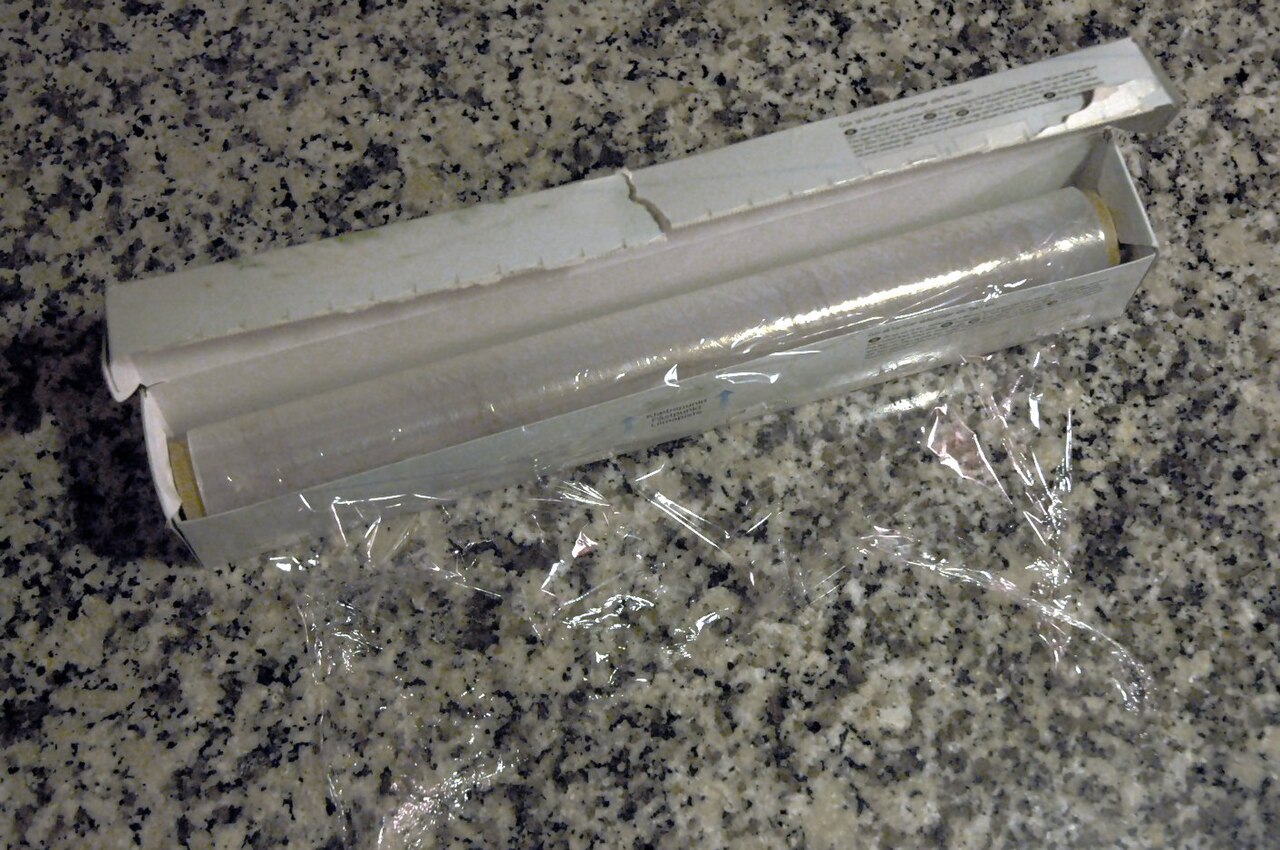
A chemical used to soften plastic food packaging has been linked to lower birthweight in a US study, FoodNavigator reports. The plasticiser, di(isononyl) cyclohexane-1,2-dicarboxylate (DINCH), was introduced in 2002 as a safer alternative to phthalates and is found in cling film and plastic wine corks as well as flooring, toys and medical devices.
Researchers at New York University Langone Health used data from the National Institutes of Health's Environmental influences on Child Health Outcomes (ECHO) programme, a large and diverse cohort of pregnant women with a mean age of 30.3. They found that a tenfold increase in the DINCH metabolite MCOCH during pregnancy was associated with a 27.43 g drop in birthweight, with stronger links for exposure in the third trimester.
Overall, DINCH metabolites in pregnant women's urine were associated with a greater risk of babies being small for gestational age and a lower risk of their being large for it.
The authors say the findings do not prove causation and may be affected by unmeasured factors, and they call for studies of combined exposure to DINCH and phthalates across pregnancy. They also raised concern about longer-term effects of restricted growth, such as cardiovascular disease, which the ECHO programme can follow up.
DINCH is approved for food contact by EFSA, which in 2026 set a tolerable daily intake of 1 mg per kg of body weight. The phthalates it replaces have long been under scrutiny: the European Chemicals Agency says several, including DEHP, DBP, DIBP and BBP, may damage fertility or the unborn child. In May 2026 the US FDA evaluated eight ortho-phthalates for a possible cumulative risk assessment of their use in food contact materials.
FoodNavigator notes that proof of cause would be needed before rules change, but that manufacturers should follow the science closely.
Photo: Ilmari Karonen / Wikimedia Commons (public domain)
Source: FoodNavigator

Comments
(0)