
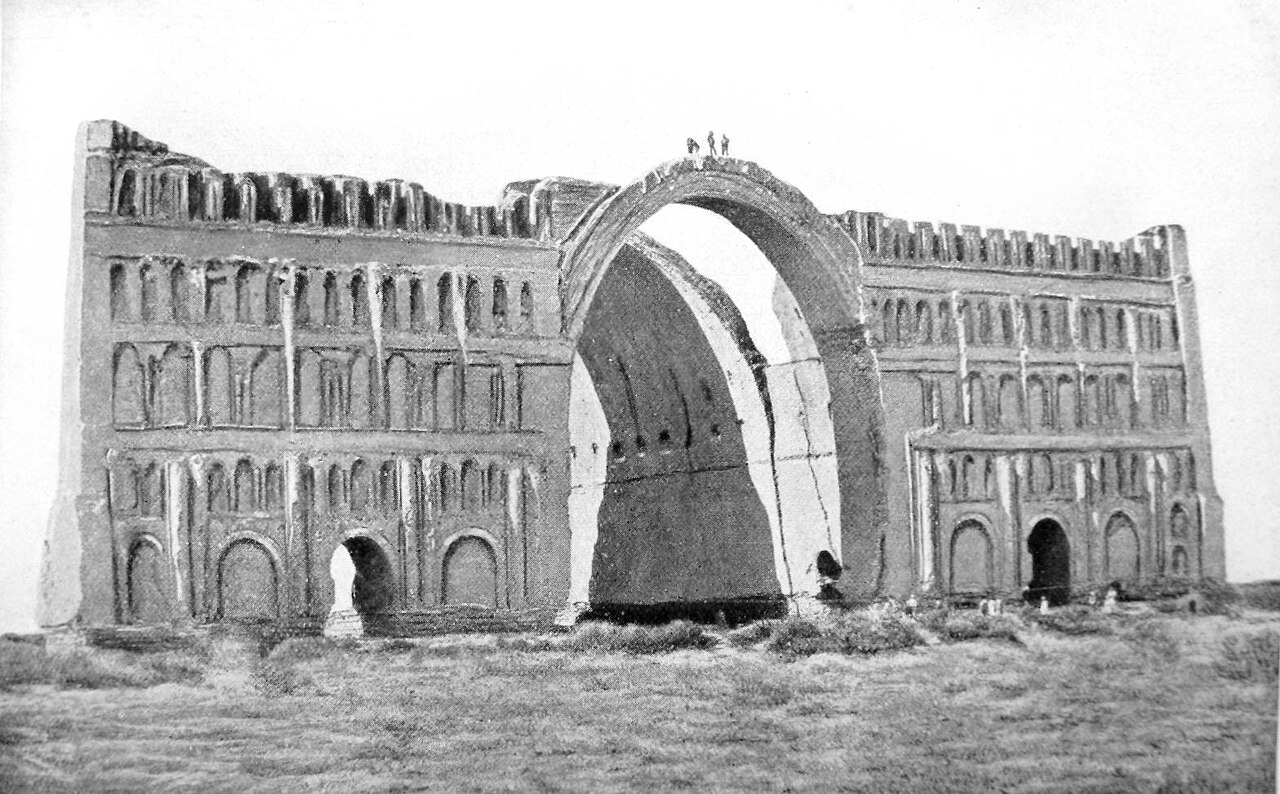
For centuries two powers dominated the politics of the ancient world: the Roman Byzantine empire and the Sasanian empire of Persia, which stretched across modern Iran, Iraq and Central Asia and went undefeated for about four hundred years. In the reign of the second caliph, Umar ibn al-Khattab, two battles decided its fall: al-Qadisiyyah in Iraq and Nahavand in the Iranian highlands. Prothom Alo's religion page retells the story from the classical histories.
After Muslim forces advanced across the plains of Mesopotamia in the campaign begun under Caliph Abu Bakr, the young emperor Yazdegerd III sent his veteran general Rustam with about 120,000 men. From Medina, Umar gave command to the Companion Sa'd ibn Abi Waqqas. The armies met at al-Qadisiyyah in the year 16 of the Hijra. Before the fighting, the Companion Rib'i ibn Amir went to the Persian camp to explain the aims of the Muslim mission, an exchange recorded by al-Tabari.
In the first days of the four-day battle the Persian war elephants panicked the Muslim horses. The Muslim fighters then changed tactics and aimed at the elephants' eyes and trunks, and the wounded animals turned back into their own ranks. The final night is remembered as Laylat al-Harir. Citing Ibn Kathir's al-Bidaya wa'l-Nihaya, the article says Rustam was killed at dawn, with more than 30,000 Persian soldiers and about 8,500 Muslim fighters killed.
The victory opened the road to the Persian capital al-Mada'in (Ctesiphon in today's Iraq). Sa'd crossed the Tigris and besieged the city, the Persians abandoned it, and the Muslims entered the famous palace, the Ayvan-e Kesra. Yazdegerd fled from Hulwan to Rey, Isfahan, Kerman and finally Khorasan.
From Khorasan he called the tribal chiefs to one last war, and in the year 21 of the Hijra about 150,000 Persian troops gathered at Nahavand. A council in Medina chose al-Nu'man ibn Muqarrin al-Muzani as commander. To draw the enemy out of trenches and iron caltrops, the Muslim vanguard feigned a retreat into an open valley. Al-Nu'man was killed in the fighting, and Hudhayfa ibn al-Yaman kept the news hidden and led the army to the end.
Persia never again raised a central army, and Muslim historians called Nahavand 'the victory of victories'. The article gives volume and page references to al-Tabari, Ibn Kathir and Ibn al-Athir so that readers can check the sources. It was written by Prothom Alo's religion desk.
Photo: অজ্ঞাত আলোকচিত্রী (১৮৬৪) / Wikimedia Commons (Public domain)
Source: Prothom Alo

Comments
(0)