
Twiga, the Kenyan farm-produce marketplace that raised roughly $185 million and became the best-known agrifoodtech startup in Africa, has been placed into administration. On 17 August its main operating company, by then renamed GT Flow Ltd, went into administration, followed by the parent, Twiga Foods Ltd, now called Templar Field Ltd. In January a creditor had already petitioned the High Court to wind up an affiliate, Twiga Tatu SEZ.
Twiga started in 2013 by linking smallholder banana farmers with street vendors in Nairobi through an app, backed by its own warehouses and delivery trucks. The promise was cheaper, better produce for small retailers and predictable prices for farmers. Goldman Sachs led a $30 million Series B in 2019 and Creadev a $50 million Series C in late 2021, and the company widened into vegetables and packaged goods.
The model came under strain from 2022. Twiga restructured several times, cut hundreds of jobs and fell behind on payments to suppliers. A planned Series D never came, and a $35 million convertible bond from Creadev and Juven in late 2023 did not clear the old debts. Between 2022 and 2024 the Kenyan shilling lost about 30% of its value against the dollar, raising the cost of fuel and imported goods for a company that raised money in dollars and earned in shillings.
"Fragmented supply chains, infrastructure constraints, high working capital requirements, and challenging unit economics make it difficult to scale such a model in a financially sustainable way," said Maurice Scheepens of the Dutch development bank FMO. Moving fresh produce from thousands of small farms to thousands of kiosks means paying for collection, storage, transport, spoilage and credit on goods that sell for very little.
"The trend now is to have much more patient capital and more cashflow-based businesses," said Sewu-Steve Tawia, managing director of the Africa-focused fund manager Asime Partners. AgFunder's preliminary figures put African agrifoodtech equity funding for 2026 below $150 million.
For farmers, Twiga's story is a reminder that an app can lower the cost of finding a buyer but not the cost of moving a perishable crop to market. Investors quoted by AgFunderNews now favour businesses that earn their way before they grow.
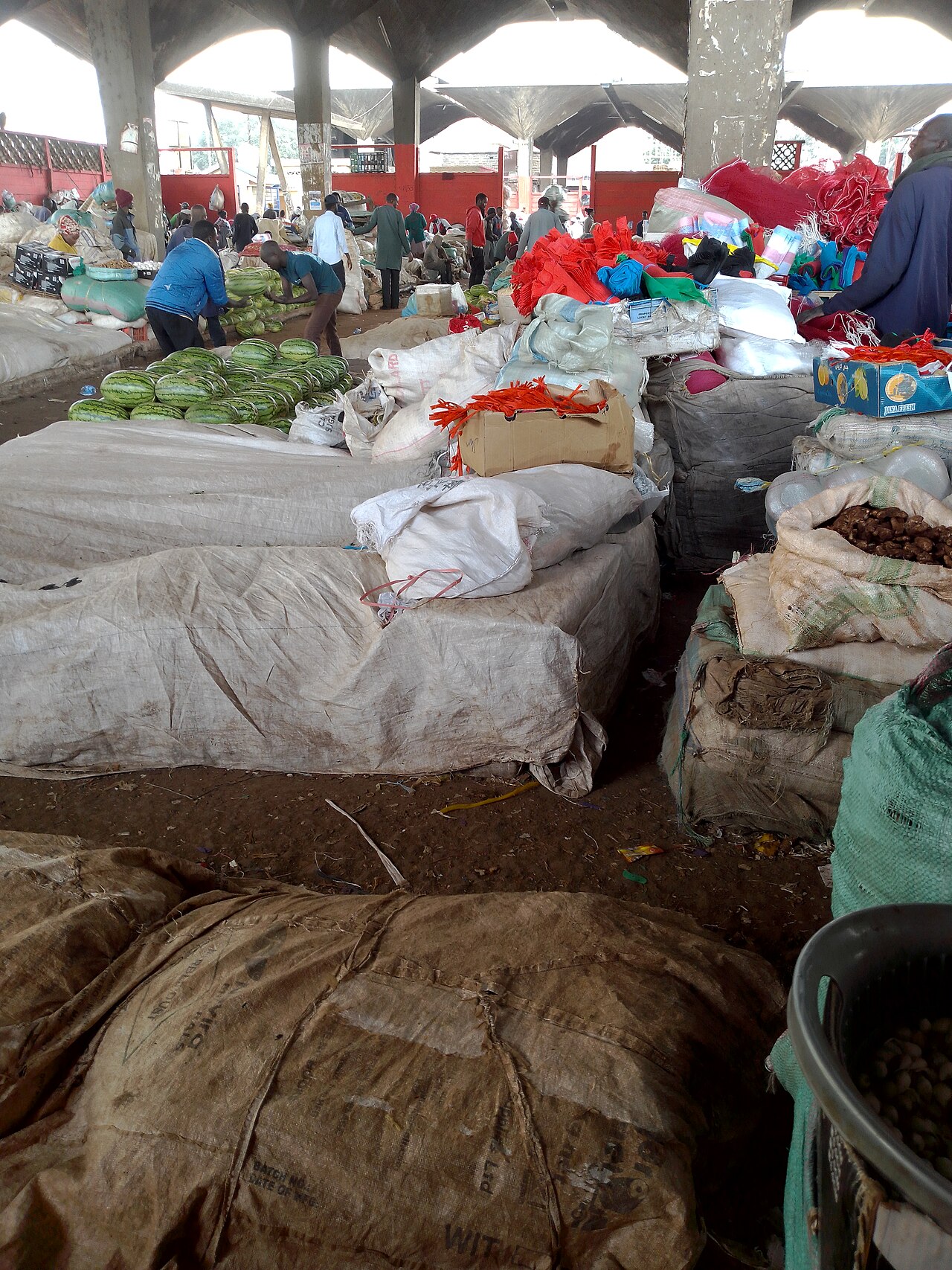
Photo: Nguthi Joseph kagechu / Wikimedia Commons (CC BY-SA 4.0)
Source: AgFunderNews


Comments
(0)