
Canadian farmland values kept rising in the first half of 2026, but more slowly than in recent years, according to Farm Credit Canada's (FCC) mid-year farmland values review. Cultivated farmland rose an average of 3.8 percent nationally between January and June 2026, against 6.0 percent in the same period of 2025. Over the 12 months from July 2025 to June 2026, values rose 7.0 percent, down from 9.3 percent the year before.
"The pace of growth has eased from last year, but Canadian farmland values continue to show resilience," said FCC chief economist Craig Johnston. Higher production costs, tighter margins and uncertainty over trade, tariffs and international markets are making buyers more cautious and selective.
Prince Edward Island posted the biggest rise in the first half, 11.9 percent, followed by Quebec at 6.2 percent and Alberta and Manitoba at 5.3 percent each. Nova Scotia rose 3.6 percent, Saskatchewan 2.6 percent, Ontario 2.4 percent and New Brunswick 2.1 percent. British Columbia was the only province where values fell, by 1.9 percent.
FCC says local conditions matter more and more. Productive parcels in strong farming regions still draw buyers, while less strategic land sees more selective bidding. In Ontario, demand has turned towards high-quality land and strategic purchases rather than aggressive expansion, a very different market from the post-pandemic boom.
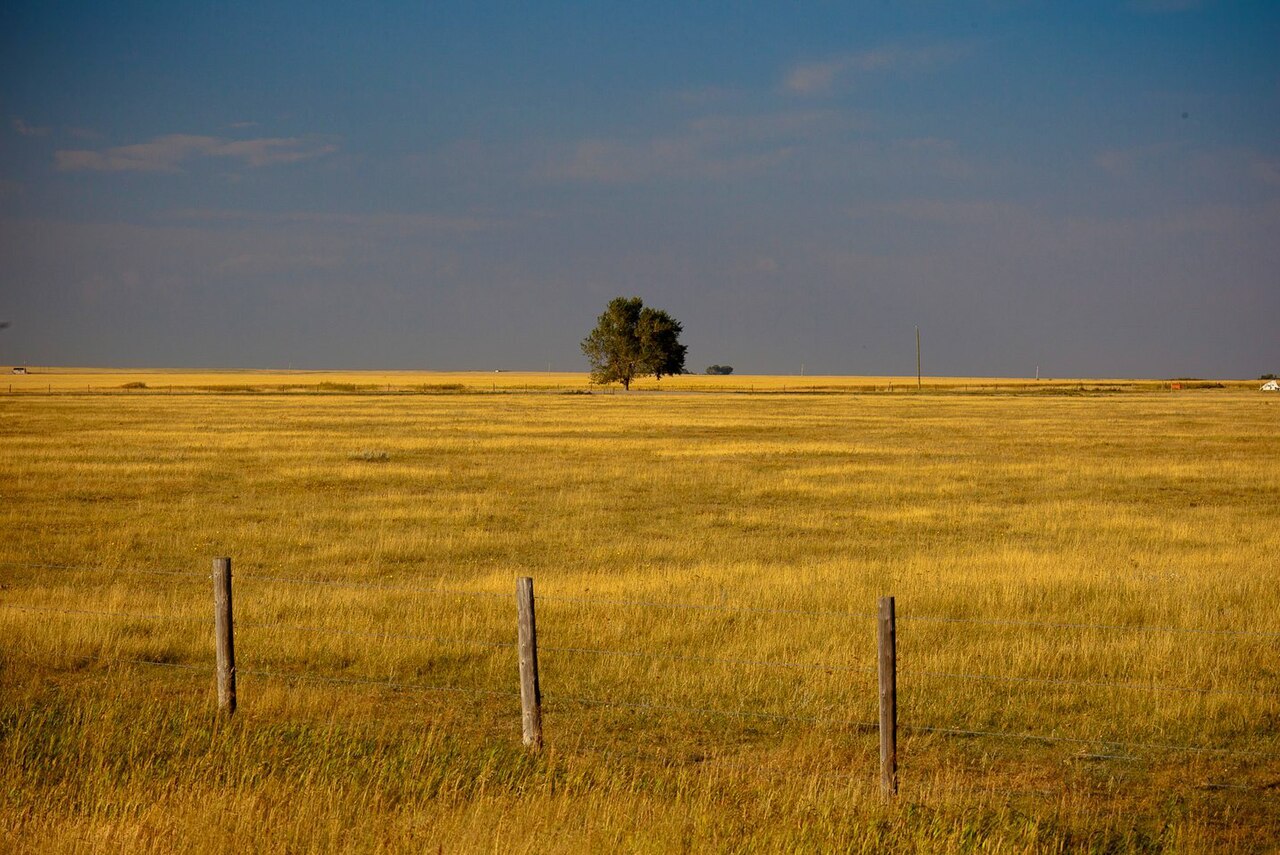
Looking at the cycle that began in 2020, FCC found that momentum has moved away from some provinces that led the early surge and towards the Prairies, particularly Alberta. Alberta's cultivated land rose 5.3 percent in the first half and 9.4 percent over the year, with the strongest gains in the North and Peace regions, where more sales took place. In southern Alberta, few dryland sales limited activity, while irrigated land remained a major driver of values.
Photo: Esther Lee / Wikimedia Commons (CC BY 2.0)
Source: Farms.com
Comments
(0)