
Drive ten kilometres west of Jashore town in winter and the landscape changes. On both sides of the road, as far as the eye can see, stretch rows of white polythene canopies. Beneath them, carefully tended, grow seedlings of cauliflower, cabbage, broccoli, tomato and chilli that within weeks will be planted out in fields across the country. Come back in the heavy rains of summer and, in other fields of the same district, tomato plants carry fruit under polythene arches while the downpour hammers overhead, at a time of year when tomatoes barely survive in the open. Both scenes rest on the same idea: tunnel technology.
Modern technology has changed how crops are grown, and the tunnel is one of the clearest examples. It is a way of raising vegetables and other crops in a controlled environment. A tunnel does not only raise output; it makes farming more profitable for the grower. What follows explains what a tunnel is, how to build one, which vegetables do well in it, what it offers and where care is needed.
What a tunnel is
A tunnel is a semicircular frame covered with plastic or polythene, rather like a long arch laid over the field. By growing crops inside it, the farmer creates a small climate of his own. When the cold outside bites, it is several degrees warmer inside; when rain pours down outside, the soil inside stays dry and the leaves are spared the beating.
The structure shields crops from cold, heat and rain, and lets the grower manage temperature, humidity and light to a large extent. When the day turns hot the polythene sides are rolled up to let air through; when the night turns cold they come down again. Clear film lets sunlight in, and that light warms the soil and the air.
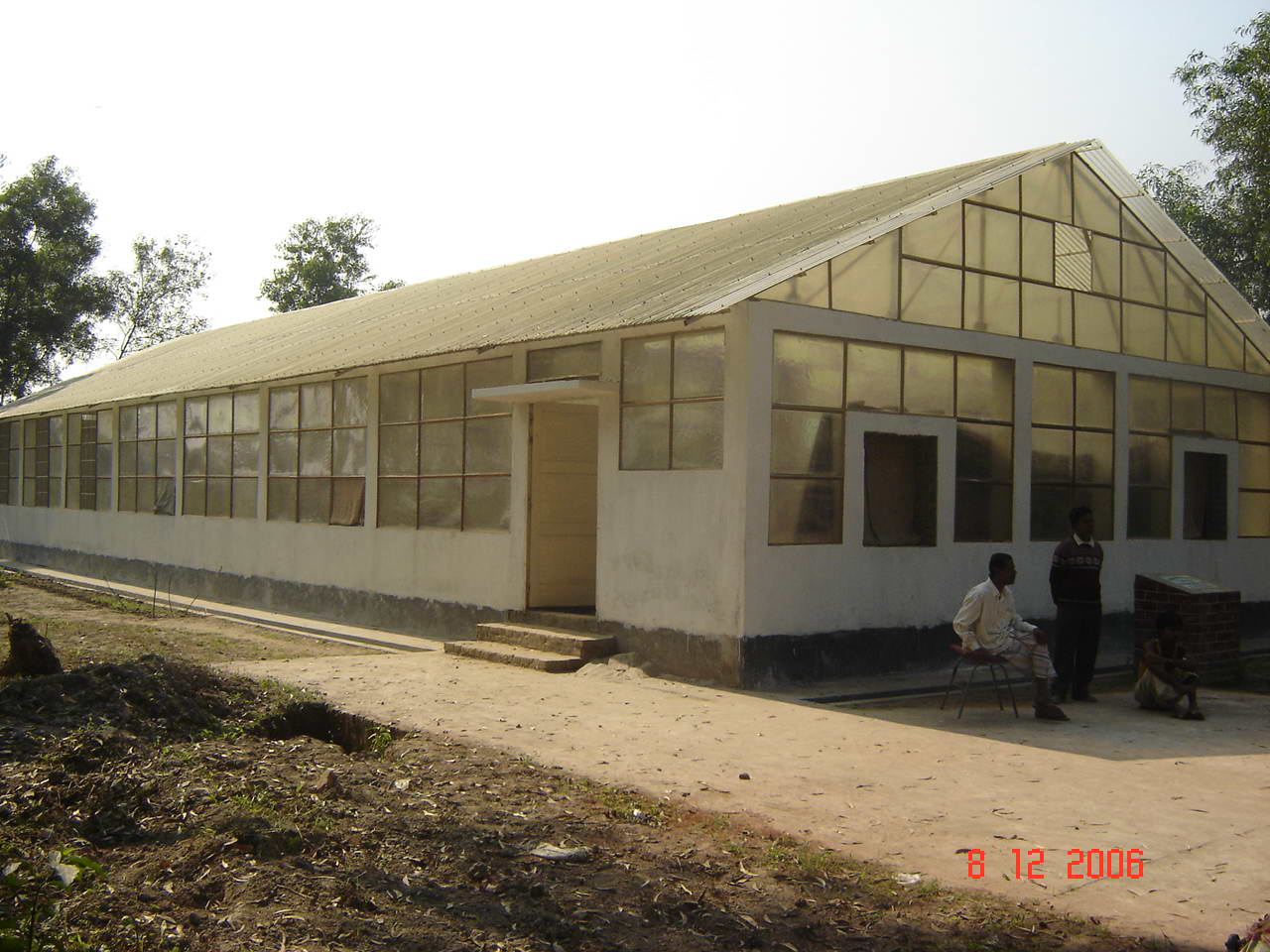
A tunnel sits somewhere between the open field and a full greenhouse. A greenhouse is permanent and expensive, often fitted with fans, irrigation systems and climate controls; such greenhouses can be seen at the country's agricultural universities and research institutes. A tunnel costs far less, can be built from materials close at hand and can be taken down and moved to another plot. That is why it makes practical sense for small and medium farmers.
Low tunnels and high tunnels
Tunnels come in two broad forms. A low tunnel is built at knee height over a bed or row; nobody can walk inside, and the sides are lifted for any work. This is the type most used to protect seedlings in the nursery from cold, fog and rain. According to extension guides from universities in the United States, low tunnels generally use comparatively thin film, often below 80 microns.
A high tunnel is tall enough to stand and walk in. It usually needs thicker, greenhouse-grade film; Penn State University's extension guidance cites film of about 150 microns for high tunnels. In a high tunnel, tall and trellised crops such as tomato, cucumber and capsicum can be grown through a full season. Temperature is managed mainly by natural ventilation, rolling up the side walls.
Both types share one problem: water condenses on the inside of the film and drips. Leaves pressed against wet plastic can rot, and high humidity encourages fungal disease. Opening the tunnel or raising the sides once the sun is up is therefore part of the daily routine.
Jashore's seedling villages
Tunnels are nowhere more visible in Bangladesh than in Jashore. The villages of Abdulpur and Bagdanga in Sadar upazila are now described as the country's winter vegetable seedling capital. According to a Dhaka Tribune report, 250 to 300 growers there produce 20 to 25 crore (200 to 250 million) vegetable seedlings over a six-month season, with sales worth Tk 20 to 30 crore. The seedlings of cauliflower, cabbage, broccoli, beet, turnip, tomato and chilli are sold to every district of the country.
Local growers say seedling production began around twenty years ago and has grown fast on a commercial scale over the past decade. Low polythene tunnels and canopies, which shelter the tender seedlings from rain, fog and cold, are central to that success. In the same report, though, growers said rising prices of seed, fertiliser, labour and polythene had pushed up their costs, and that heavy rain had caused serious losses in some seasons.
Polynet houses in the Barind
A larger, sturdier cousin of the tunnel has appeared in the Barind tract of the north. A November 2024 report by the state news agency BSS described growers in Gomastapur upazila of Chapainawabganj raising crops all year in polynet houses: tent-like structures of iron frames and polythene.
According to the report, one grower, Shamim Reza, produces seedlings of various crops and pesticide-free cucumbers, while Sadiqul Islam Tutul grows tomatoes and chrysanthemums. The structures protect crops from drought, rain, hail, extreme cold and other weather that harms them. In a drought-prone region of harsh extremes such as the Barind, this kind of protected cultivation is seen as one way of adapting farming to a changing climate.
Tomatoes in the monsoon: the strongest case for the tunnel
Tomato is essentially a winter vegetable. In the heat and rain its flowers drop in the open field and plants rot, so prices climb in those months. To fill that gap the Bangladesh Agricultural Research Institute (BARI) has bred tomato varieties for summer and the rainy season, and the polythene tunnel is a standard recommended method of growing them.
In this method, transparent polythene tunnels 120 to 180 centimetres high are built over raised beds to keep the rain off the plants. A study in Jashore district found that about 75 per cent of summer tomato growers there grew BARI Hybrid Tomato-4. Another study in the same area found that although the tunnel accounted for about 41 per cent of total input costs, it returned three to four times as much, with an average yield of about 32.8 tonnes a hectare.
Building a tunnel, step by step
A tunnel needs no complicated technology, but each step has to be done with care. In broad terms the work runs as follows.
1. Choosing the site
Pick fertile land that gets full sun through the day. The whole benefit of a tunnel depends on sunlight, so spots shaded by large trees or buildings are best avoided. The land must not flood and rainwater must not stand on it; a tunnel on low ground can be swamped in the monsoon and the whole crop lost. Where possible, running the long side of the tunnel north to south lets light fall evenly on both sides during the day.
2. Preparing the soil
Plough the land several times until the soil is fine and level, then work in organic fertiliser such as rotted cow dung or compost along with the mineral fertiliser the crop needs. Because the same ground is cropped again and again inside a tunnel, organic matter matters even more for keeping the soil healthy. Many growers build raised beds for drainage and set the tunnel over them.
One point is worth remembering: growing crops of the same family, such as tomato, aubergine and chilli, in the same soil season after season inside a tunnel lets soil-borne diseases build up. Rotating crops from time to time and clearing plant debris at the end of every season are good habits.
3. Building the frame
The frame is made of bamboo, iron pipe or PVC pipe. Bamboo is cheap and found in almost every village, but it has to be replaced after a few seasons; iron or galvanised pipe costs more but lasts for years. Hoops are pushed into the ground at set intervals and bent into arches, and one or two lengthwise battens are tied along the top to brace the structure.
The frame is then covered with UV-resistant polythene. Ordinary polythene left in the sun for a few months turns brittle and splits under ultraviolet light; UV-stabilised film contains additives that make it last much longer. The edges of the film are buried or weighed down with bricks or sandbags so that strong winds cannot lift it.
4. Sowing or transplanting
Sow seed at the set spacing, or bring in seedlings raised in a nursery and transplant them. Row spacing and the gap between plants should follow what each crop needs. Space in a tunnel is limited, and the temptation to crowd plants in only cuts light and air, invites disease and ends up lowering the yield.
5. Care and monitoring
Regular irrigation, weeding and pest control are essential. Temperature and humidity inside need checking every day; even a basic thermometer hung inside tells a great deal. On sunny days a closed tunnel heats up fast, and if the sides are not opened the plants can scorch. Many growers use drip irrigation, which delivers water drop by drop straight to the root zone.
A word on drip irrigation. Thin plastic lines are laid along the rows, and water drips from small emitters straight to the base of each plant. Because the whole soil surface is not wetted, fewer weeds grow, leaves stay dry and disease spreads less; fertiliser can be dissolved in the water as well. It costs something to set up, but in the limited space of a tunnel it earns its keep.
Tunnels bring particular gains in raising seedlings. In an open nursery, rain or fog kills many seedlings and weakens the rest. Under a tunnel the same amount of seed yields more healthy seedlings, and they can be planted out earlier. That is why polythene canopies have become so important in Jashore's seedling villages.
What grows well under a tunnel
Almost any vegetable can be grown in a tunnel, but some crops gain the most:
- Tomato: one of the most popular tunnel crops for high yields; for off-season tomatoes in the monsoon a tunnel is close to essential.
- Cucumber: essentially a summer vegetable, but a tunnel allows it to be grown almost all year; trellising saves space too.
- Capsicum (sweet pepper): red, yellow and green capsicum yield well in a tunnel's controlled environment; in the open field the fruit risks sunscald.
- Lettuce and broccoli: salad crops in growing demand in the cities; these tender leafy vegetables stay clean and unblemished under cover.
Capsicum, lettuce and broccoli are bought mainly by supermarkets, restaurants and hotels in the cities. For growers who farm close to a city, these high-value vegetables can be especially profitable under a tunnel.
What a tunnel offers
Control over the weather: a tunnel protects crops from excessive cold, rain and heatwaves. Where a hailstorm or a sudden squall can wipe out an open-field vegetable crop in one night, a tunnel crop is largely spared.
Off-season growing: a tunnel lets growers produce crops out of season. Selling a vegetable when supplies in the market are short earns a much higher price. Monsoon tomatoes are the best-known example.
Higher yields: growing in a controlled environment is said to raise yields by 30 to 50 per cent. How much depends on the crop, the season and the management; a badly run tunnel can still yield poorly.
Fewer pests and diseases: insect attacks are generally lighter inside a tunnel, so less pesticide is used. Because rain does not fall directly on the leaves, some rain-spread diseases also spread less. City buyers are increasingly interested in vegetables grown with fewer chemicals.
Water saving: controlled irrigation in a tunnel prevents waste and keeps the soil moist. The cover reduces evaporation from the soil, and combined with drip irrigation it cuts water use further.
Better quality and more variety: vegetables grown under control are cleaner, unblemished and more uniform, so they are in greater demand and fetch better prices. The same tunnel can also carry several vegetables and fruits together or in succession, helping to raise the grower's income.
Taken together, these advantages add up to more income from less land. Farmland in Bangladesh shrinks a little every year and family holdings grow smaller. In that setting, any technology that coaxes several crops and higher-priced vegetables from one small plot matters more and more, and the tunnel is one of the cheaper of them.
Where care is needed
A tunnel carries risks as well as benefits, and it is best to know them in advance. The first is the start-up cost. Bamboo, pipe and polythene need a lump of money at the outset, and the experience of Jashore's growers shows that cost rises whenever polythene prices climb. Starting small the first time and learning from it is the sensible course.
The second is excess heat and humidity. Without ventilation, heat and damp build up inside, ideal conditions for fungal disease. Opening the sides regularly, spacing plants properly and not letting water pool at the base are the remedies. The third is old polythene. Torn film left lying in the field harms the soil and the environment; it should be collected and sold for recycling or disposed of safely.
Advice on which type of tunnel, which film and which variety suit a given crop is available from the upazila agriculture office and BARI's regional stations. In many areas, a visit to an experienced grower's tunnels is also a good education for newcomers.
How to begin
For a first-time tunnel grower, the safest route is to start small. In the first season a low tunnel over one or two nursery beds can raise seedlings at little cost and little risk, while teaching first-hand how hot it gets inside during the day, when to open the sides and how much water is needed.
The next step can be a single high tunnel with one market crop, such as monsoon tomatoes or cucumbers. Where the crop will be sold, at the local haat, to a wholesaler or to city shops, should be settled before planting. Off-season vegetables fetch good prices, but only if they reach the market at the right moment. Keeping a record of every cost and every sale shows after a single season how well the tunnel pays, and makes it easier to expand or to apply for farm credit.
Small plots near the city, big possibilities
Tunnel technology is more than a production method; it is part of a wider change in farming. It helps growers stand on their own feet financially and supports more sustainable agriculture. It holds particular promise for farmers in villages near cities, who can grow vegetables to order all year round and supply nearby markets.
Growing vegetables under tunnels is an effective and profitable way to farm. It raises output and improves the grower's standard of living. Jashore's seedling villages and its monsoon tomato fields have shown that, used well, a few lengths of bamboo and a roll of polythene can change what a small field earns. For farmers willing to adopt modern methods, the tunnel can open the way to lasting success.
Photo: A greenhouse at Bangladesh Agricultural University, Hermitage17 assumed (based on copyright cla / Wikimedia Commons (Public domain)
Comments
(0)