
Bangladesh's soil grows a long list of vegetables, but most of them arrive in the rabi season, October to March, when supply floods the market and the farmer gets a poor price. In the kharif months, April to September, the weather keeps production low. Tunnel farming bridges the gap.
What it is
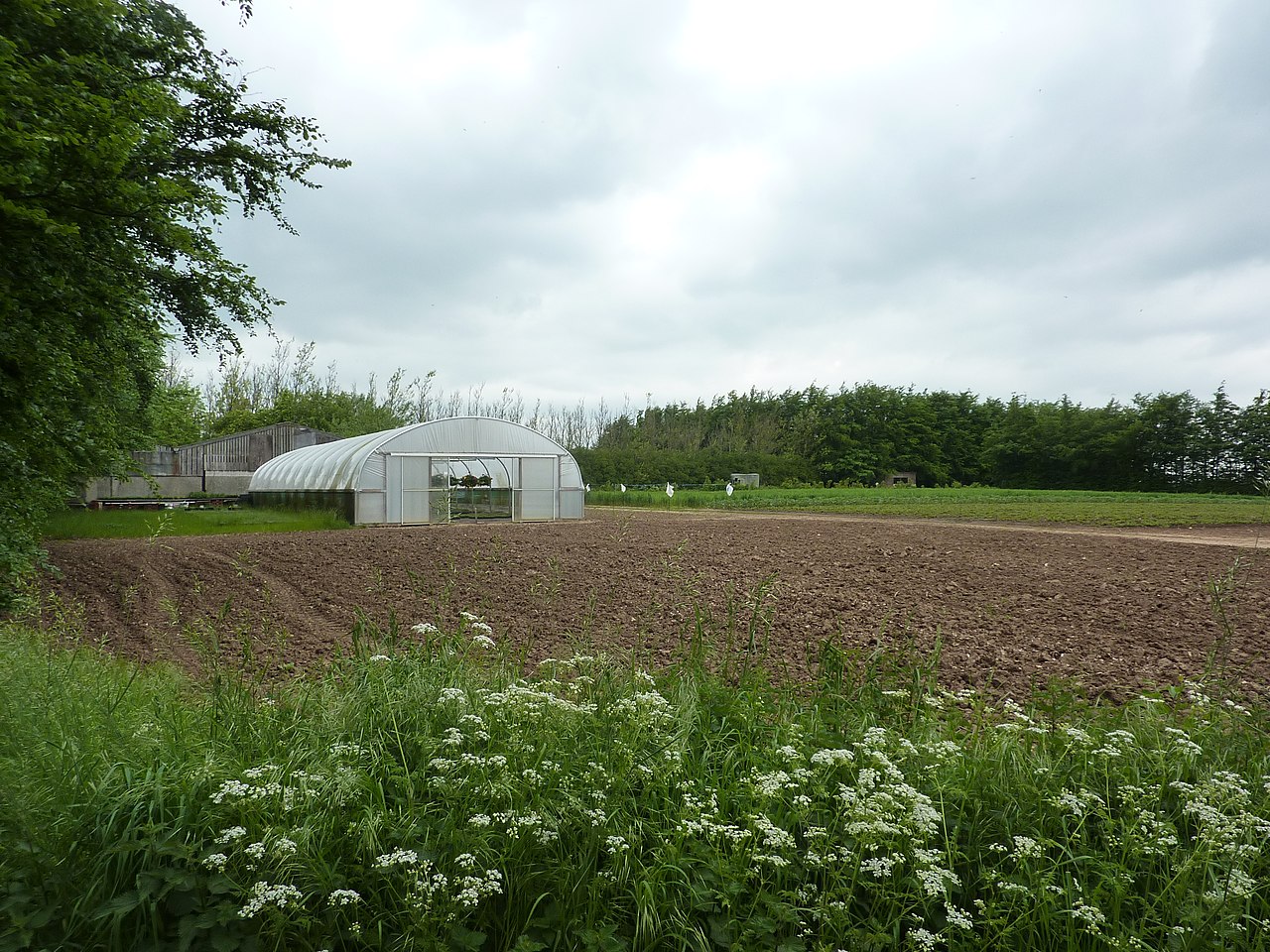
A tunnel is a covered frame of bamboo or steel under polythene that shelters a crop from rain, cold and heat. It lets a farmer grow a winter vegetable early, or out of season altogether, and sell it when it is scarce — for more than double the seasonal price. Growing winter crops in high summer remains hard; growing them early, or summer crops through the cold, is where the tunnel earns.
What grows
Cucurbits, tomato, spinach, cabbage, cauliflower, beans and more.
Two kinds of tunnel
- The low tunnel: bamboo, about 98 ft long and 15 ft wide, 7 ft high at the centre and 5 ft at the sides.
- The high tunnel: steel or bamboo, about 130 ft by 32 ft, 12 ft high at the centre and 8 ft at the sides — a walk-in structure.
The land
Fertile soil with a pH of 5–7, dug and levelled after the tunnel is built, with organic manure worked in.
The return
India and other countries export tunnel-grown vegetables to the Middle East, Europe and Asia after meeting their own demand. For a Bangladeshi farmer the arithmetic is simpler: the same field, the same crop, twice the price.
Photo: Vegetables growing under a polytunnel — Peter Barr / Wikimedia Commons (CC BY-SA 2.0)
Comments
(0)