
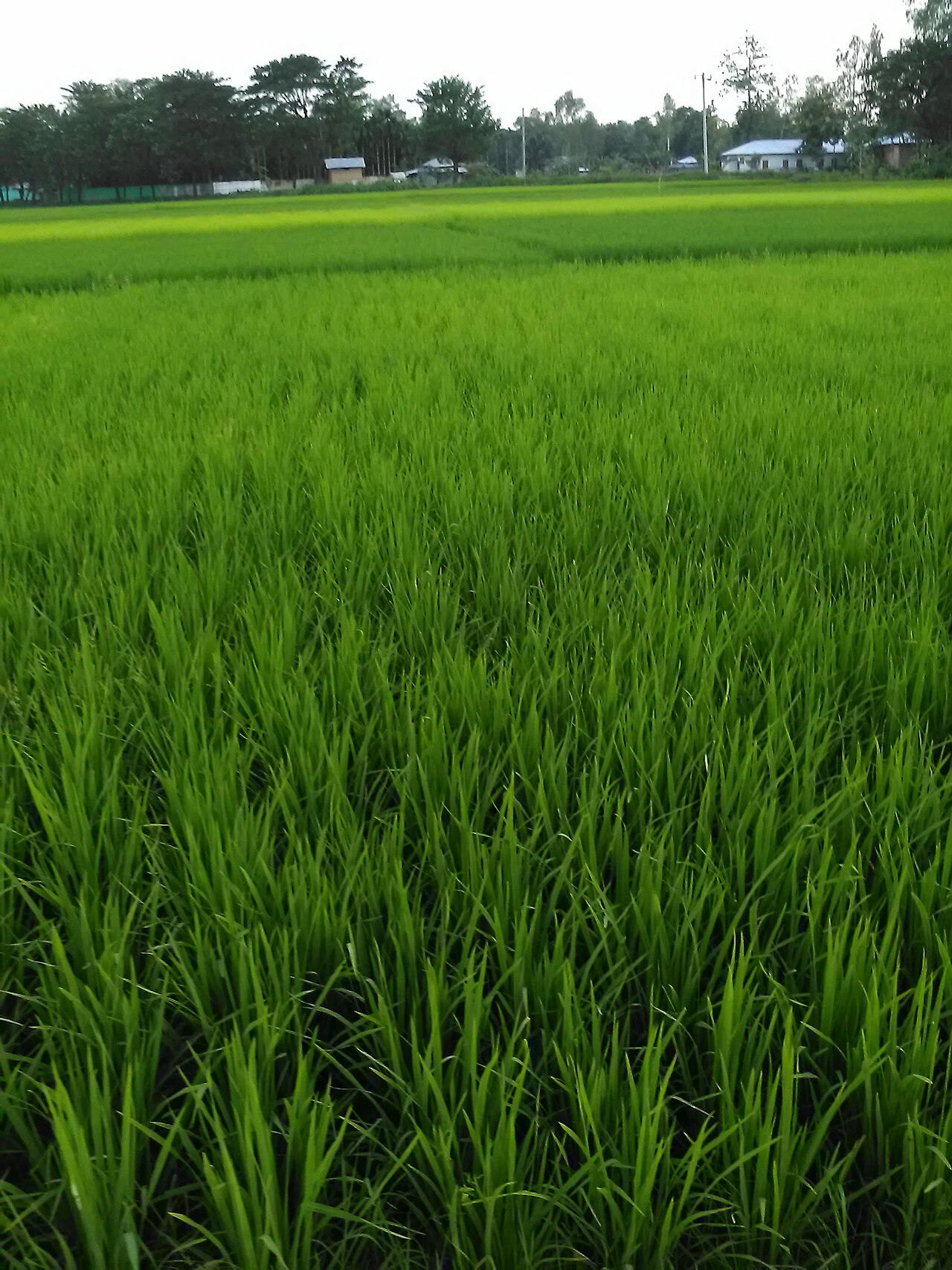
Ending tobacco farming should not mean harming farmers but moving them to safe, profitable and sustainable livelihoods, writes researcher and author Professor Abdus Sabur. In a column published in the Daily Janakantha on 15 November, he calls for a coordinated national effort for a tobacco-free Bangladesh that weighs farming, public health and the environment together. The views are the writer's own.
He cites the World Health Organization's 2017 Global Adult Tobacco Survey, which found 35.3 per cent of adults in Bangladesh used tobacco, and WHO figures published in 2026 that put tobacco-related deaths in the country at about 130,000 in 2021.
Tobacco on scarce farmland in place of rice, wheat, pulses, vegetables, fruit and oilseeds can strain food and nutrition security, he argues. The crop uses fertiliser, pesticide, water and labour, and curing the leaf burns firewood, putting pressure on forests. Handling the leaves also exposes farmers to nicotine and the risk of green tobacco sickness.
But there should be no anti-tobacco policy that leaves farmers out, he stresses. He proposes region-by-region plans based on farmer lists, land, soil, water, climate, costs and prices, with alternatives such as maize, pulses, mustard, potato, vegetables, rice, wheat, fruit, spices, fish, poultry and cattle. Farmers should get special support for the first three to five years, with better seed, training, low-interest credit, fair prices, storage and market links, and their advance loans and contracts with tobacco companies should be settled fairly.
To cut demand, he calls for genuinely smoke-free schools, hospitals, offices and public transport, strict enforcement of the 2005 law and its 2013 amendment, taxes and prices that put tobacco out of reach of the young and the poor, and tobacco cessation clinics in public hospitals, with part of tobacco revenue spent on public health and rehabilitation.
Photo: Mohammad Raihan Kabir / Wikimedia Commons (CC BY-SA 4.0)
Source: Daily Janakantha

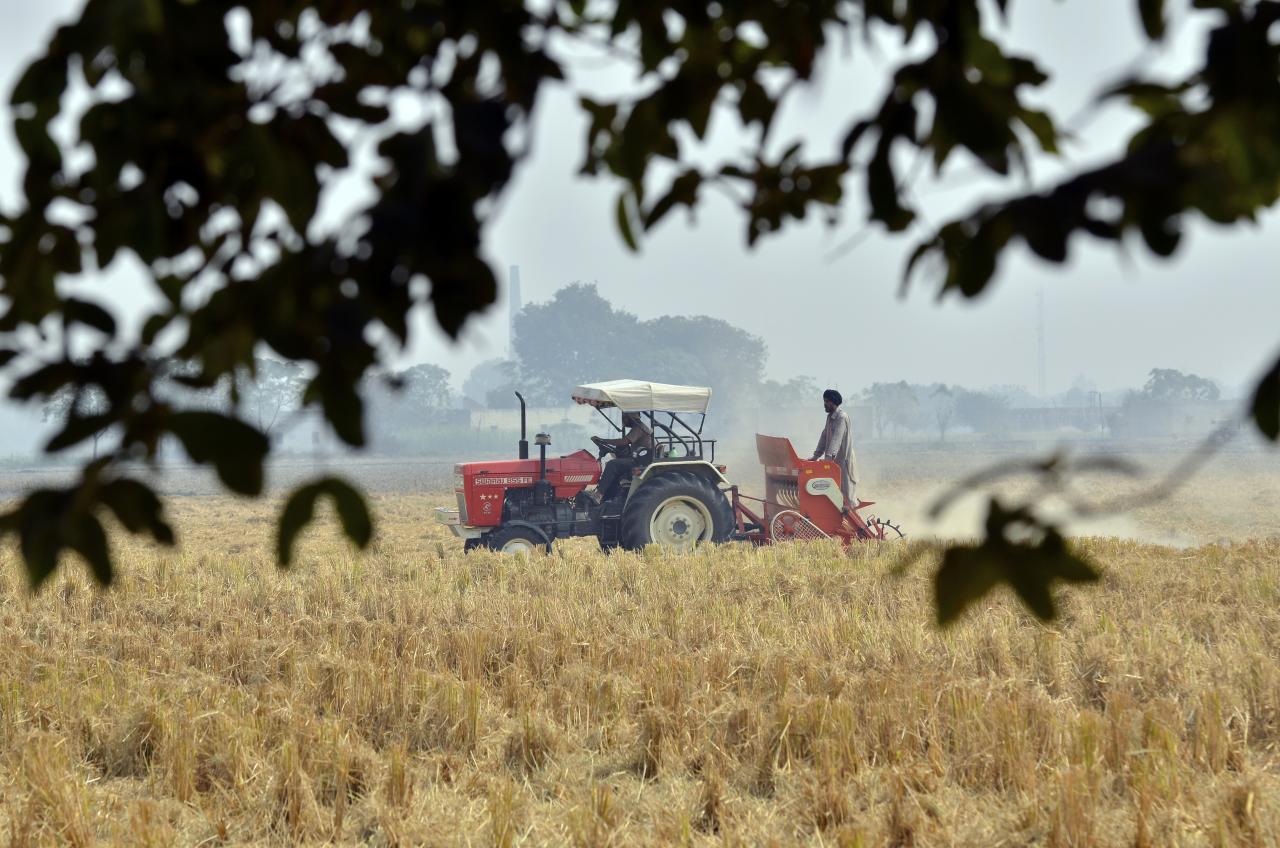

Comments
(0)