
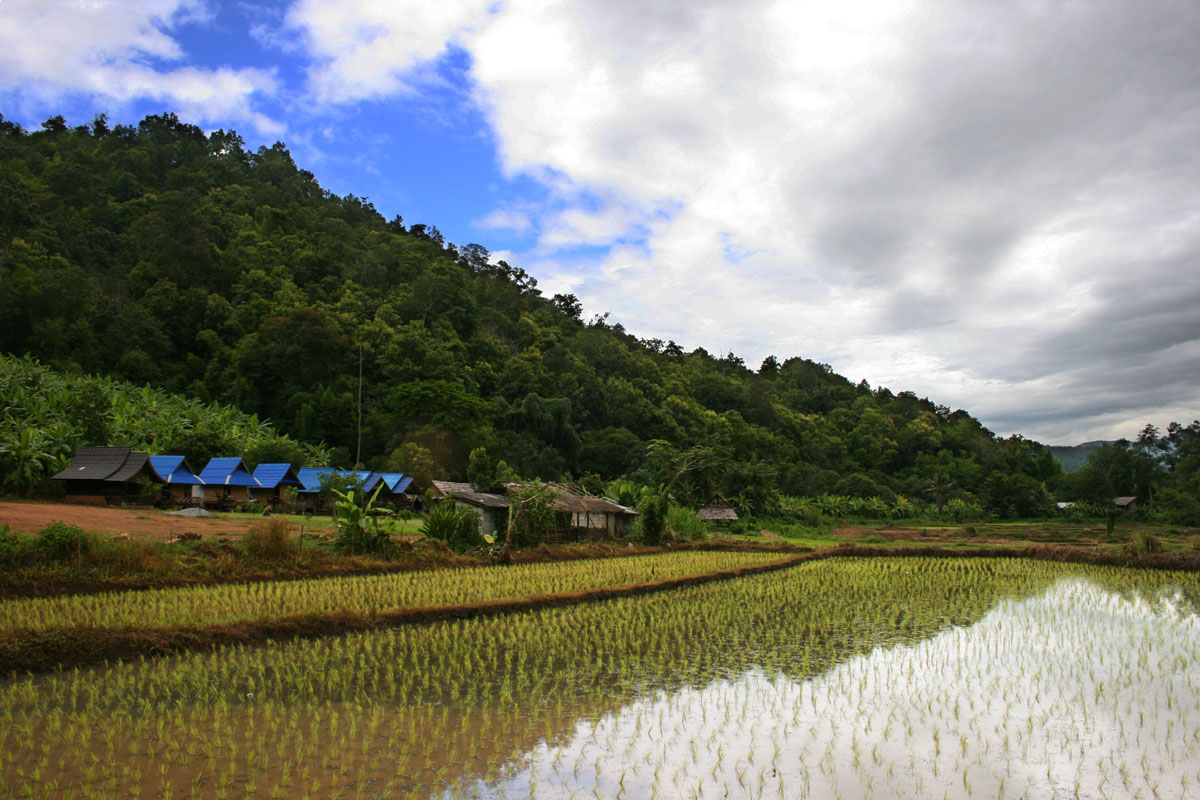
Floods that have struck Thailand since late August have damaged 1.64 million rai, about 263,000 hectares, of cropland and left 3.9 million farm animals dead or missing, according to figures compiled by the agricultural disaster monitoring and response centre of the Ministry of Agriculture and Cooperatives and reported on 3 October.
Rice accounts for most of the crop damage, with 1.31 million rai affected. The ministry counts 144,738 farming households hit by crop losses alone. Poultry make up almost all of the animal toll, with 3.89 million birds dead or missing, and aquaculture damage, counted separately, is estimated at 170.14 million baht.
The floods began on 21 August and have reached 42 provinces in some form, with 26 provinces reporting livestock losses and 24 reporting damage to fish and shrimp farms. That spread goes well beyond the low-lying land near the Mekong that floods most years, into central and southern growing areas.
Survey teams are still checking losses in the field, and in past flood seasons the final figures have often come in higher than the first estimates. Because the count covers more than six weeks of accumulating damage, it is likely to keep rising until the rains end, usually by late October or November.
Thailand is one of the world's largest rice exporters, shipping roughly 7 to 8 million tonnes a year in recent years. Losses in rice areas can affect particular export grades and regional supply, and they weigh heavily on smallholders who depend on a single harvest for most of their income. Global Agriculture notes that poultry losses concentrated on small and backyard farms hit rural household income harder than they hit the country's poultry exports.
For farmers, the next problem is time: waterlogged fields must drain and dry before the next rice crop can be planted. Demand for replacement seed and for treatments against disease in wet soils usually rises after a flood of this size, while the hardest-hit households have less money to spend.
Photo: Martin-Manuel Beaulne / Wikimedia Commons (CC BY-SA 4.0)
Source: Global Agriculture

Comments
(0)