
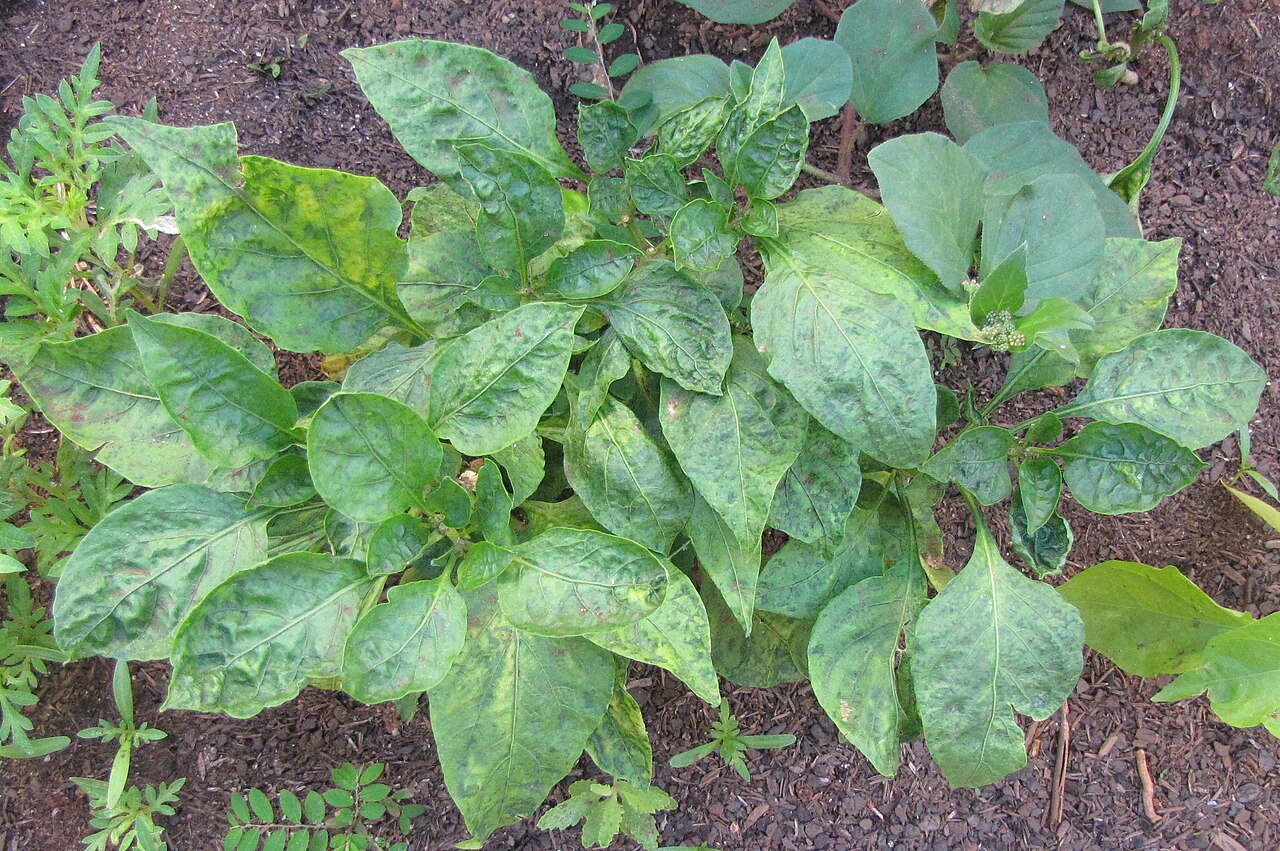
Researchers at Texas A&M AgriLife Research have created the first infectious clone of tomato spotted wilt virus (TSWV) developed by US researchers, a tool that could speed the breeding of tomato and pepper varieties that resist the disease, Farms.com reports.
The team, led by Jeanmarie Verchot, a professor in Texas A&M's Department of Plant Pathology and Microbiology, built a full-length DNA copy of the genome of a TSWV isolate that infects peppers. The clone generates infectious virus that behaves like the original strain, so scientists can produce an unlimited supply and inoculate research plants more efficiently. The work was published in Molecular Plant-Microbe Interactions, a journal of the American Phytopathological Society.
That matters because breeders need a reliable way to expose plants to the virus when they hunt for resistance genes. "By making technology tools that breeders can use to speed new variety development, we hope to see a simple ripple-effect where peppers, tomatoes and other produce are more abundant and cost less," Verchot said.
TSWV is spread by thrips, tiny insects that move between fields and can be carried into growing regions by wind. It affects more than 1,000 vegetable, produce and ornamental varieties worldwide, cutting yields and leaving fruit unmarketable. The USDA Risk Avoidance and Mitigation Program estimates it causes about $100 million in crop damage a year in Florida, Georgia, North Carolina and South Carolina alone.
Growers already plant TSWV-resistant varieties, but new strains can overcome that resistance, so researchers are studying the genetic differences between strains to understand how severe they are and how they spread.
"This clone allows all U.S. researchers the same starting point, providing a more efficient tool for identifying the virus in crops and for creating disease management practices," said Haden Ball, a graduate student in Verchot's lab.
Photo: Carlos Gonzalez / Wikimedia Commons (CC BY-SA 3.0)
Source: Farms.com


Comments
(0)