
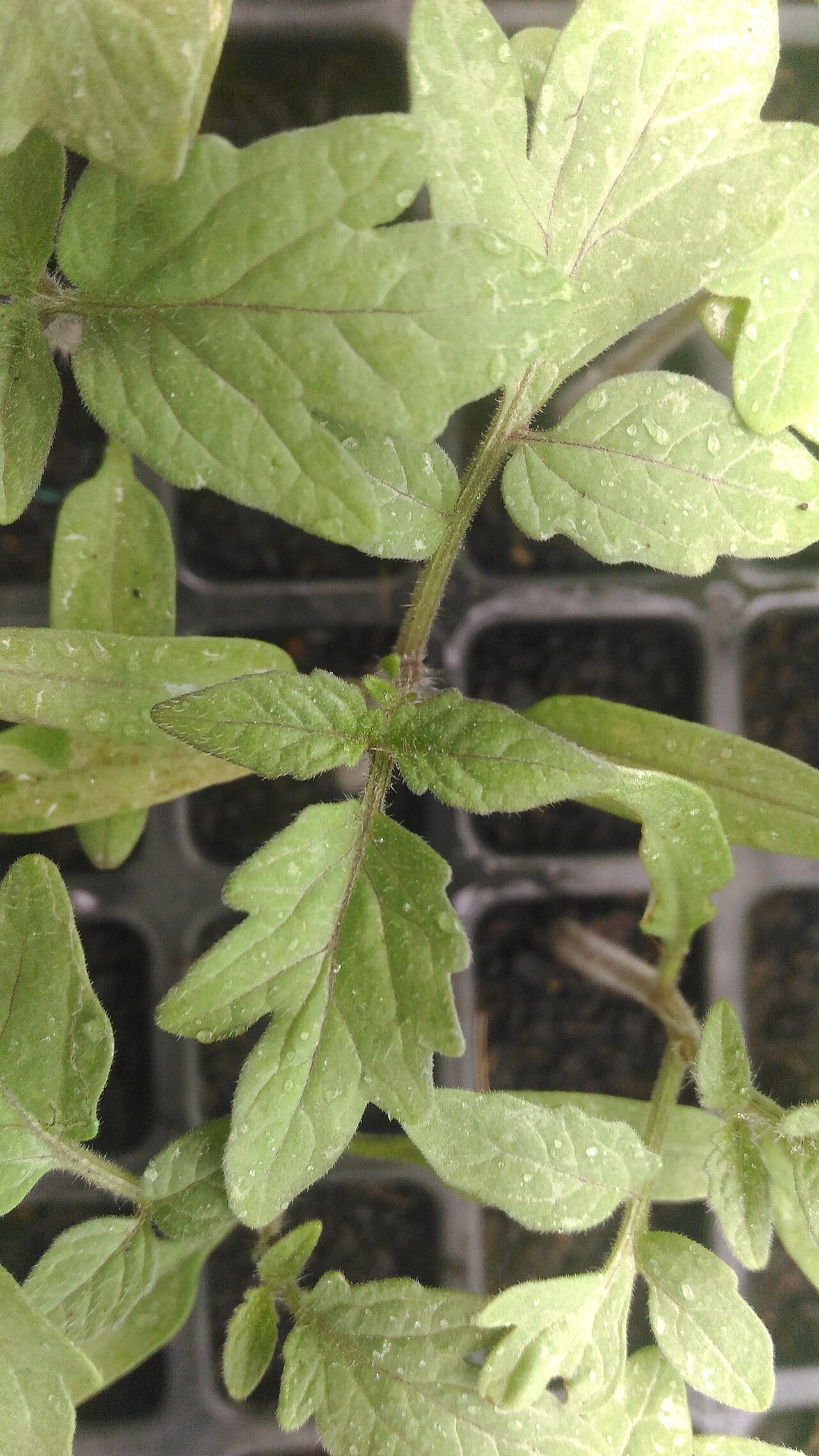
Tomato seedlings made by grafting in Kamalganj, Moulvibazar, are now going to farms across Bangladesh. The young tomato plants are joined onto the tough roots of wild brinjal (titbegun), and because the grafted plants stand up to disease and heavy rain, demand from farmers is growing.
Kamalganj upazila agriculture officer Md Rakibul Islam said the upazila produces about 6.5 to 7 million grafted tomato seedlings a season, a trade worth about Tk 5 to 6 crore. This season summer tomatoes are grown on about 60 hectares in Kamalganj, involving about 480 farmers.
The method works like this. Wild brinjal and tomato are first raised in separate seedbeds; the wild brinjal takes about 35 days to be ready and the tomato about 25. Healthy seedlings are then chosen, the top of the tomato is joined to the root portion of the wild brinjal, and the joint is bound with a special polythene strip. The two parts knit together in three to six days, and the seedlings spend another 10 to 12 days in a care house before they are ready to sell.
Nurseries have sprung up in Adampur, Jalalpur, Bongaon, Kandigaon, Moddhogaon, Najatkona and other villages. Each seedling sells for Tk 12 to 15, and a skilled worker can graft about 1,000 to 1,200 seedlings a day, creating local jobs.
Nursery owners say grafted plants are sturdier than ordinary seedlings, do not wilt easily and suffer less disease. Local farmer M A Karim claims an ordinary tomato plant yields 5 to 10 kg while a grafted one can yield 20 to 25 kg. Beyond Kamalganj, the seedlings go to Chattogram, Cumilla, Mymensingh and other districts, and many farmers order before the season starts.
The agriculture officer said farmers from many parts of the country are getting in touch about grafted seedlings and the agriculture department is advising them.
This report is based on a desk report by Agricare24.
Photo: Indrakriya / Wikimedia Commons (CC BY-SA 4.0)
Source: Agricare24
Comments
(0)