
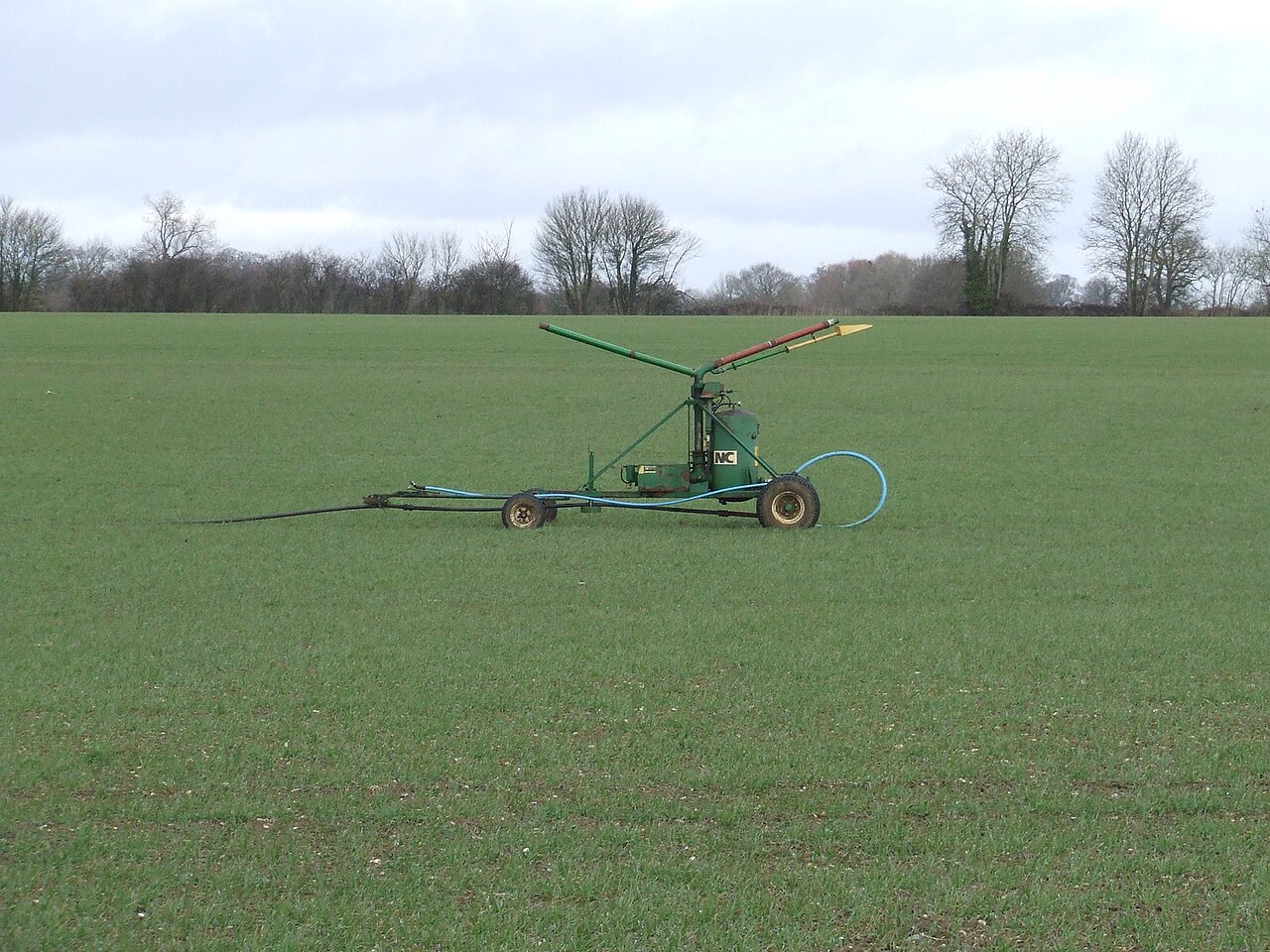
Crop protection companies, distributors and farm retailers across North America are cutting their inventories so hard that the industry could face product shortages in the 2027 season, according to Jeff Cecil, Syngenta's new President, North America Crop Protection, CropLife reports.
Cecil, who took over from Vern Hawkins on 1 October 2026, spoke at the Syngenta Media Summit in Orlando, Florida. "If we just look at crop protection, we are pulling inventories down to unmanageable levels at every level," he said.
Manufacturers have traditionally carried stock so that distributors and retailers could call on them when demand rose. Cecil says that cushion is disappearing because each link now counts on the next one to cover a shortfall. "But what happens now is they're all managing it down to lower and lower levels. Nobody can cover the next," he said.
He does not expect long, widespread shortages so much as "a lot of spot outages", local gaps in particular products. He pointed to 2021, when inventory disruptions were difficult for the whole industry. For a retailer, one missing product at the wrong moment can force a change to a grower's planned spray programme or a hunt for an alternative.
The cause is money. "We're all doing this because of capital constraints," Cecil said, as compressed margins and borrowing costs make holding stock expensive. He said the industry will need "some give and take", and CropLife notes that retailers will have to look harder at purchase forecasts, lead times and supplier relationships, and talk to distributors and manufacturers about expected demand before the season begins.
Photo: Keith Evans / Wikimedia Commons (CC BY-SA 2.0)
Source: CropLife

Comments
(0)