
The Quran and the Sunnah are the two main guides in a Muslim's life. A feature on Sarabangla's religion page explains that the Quran teaches the difference between truth and falsehood, and the Prophet Muhammad (peace be upon him) showed in practice how to live by it, so the Quran's message cannot be fully grasped without the Hadith.
In Islamic terms, Sunnah or Hadith means the Prophet's sayings, his actions, and his silent approval of things done in his presence. In Islamic law the Hadith ranks next to the Quran; the feature calls the Quran the theory of the law and the Hadith its practical explanation.
It cites verse 54 of Surah An-Nur, which commands obedience to the Messenger alongside obedience to Allah and says that following him is the way to right guidance. A verse of Surah An-Nisa says no one truly believes until they accept the Messenger as judge in their disputes.
The feature gives examples. The Quran repeatedly commands prayer, but how to bow and prostrate and how many units to pray are not detailed in it; the rules of fasting, zakat and Hajj are also learned from the Hadith. Many verses were revealed in a particular context, such as the mubahala mentioned in verse 61 of Surah Al-Imran, which needs its historical background to be understood.
It recalls that when Aisha (may Allah be pleased with her) was asked about the Prophet's character, she replied, 'His character was the Quran.' The writer warns that interpreting the Quran by personal whim while setting aside the Sunnah risks going astray.
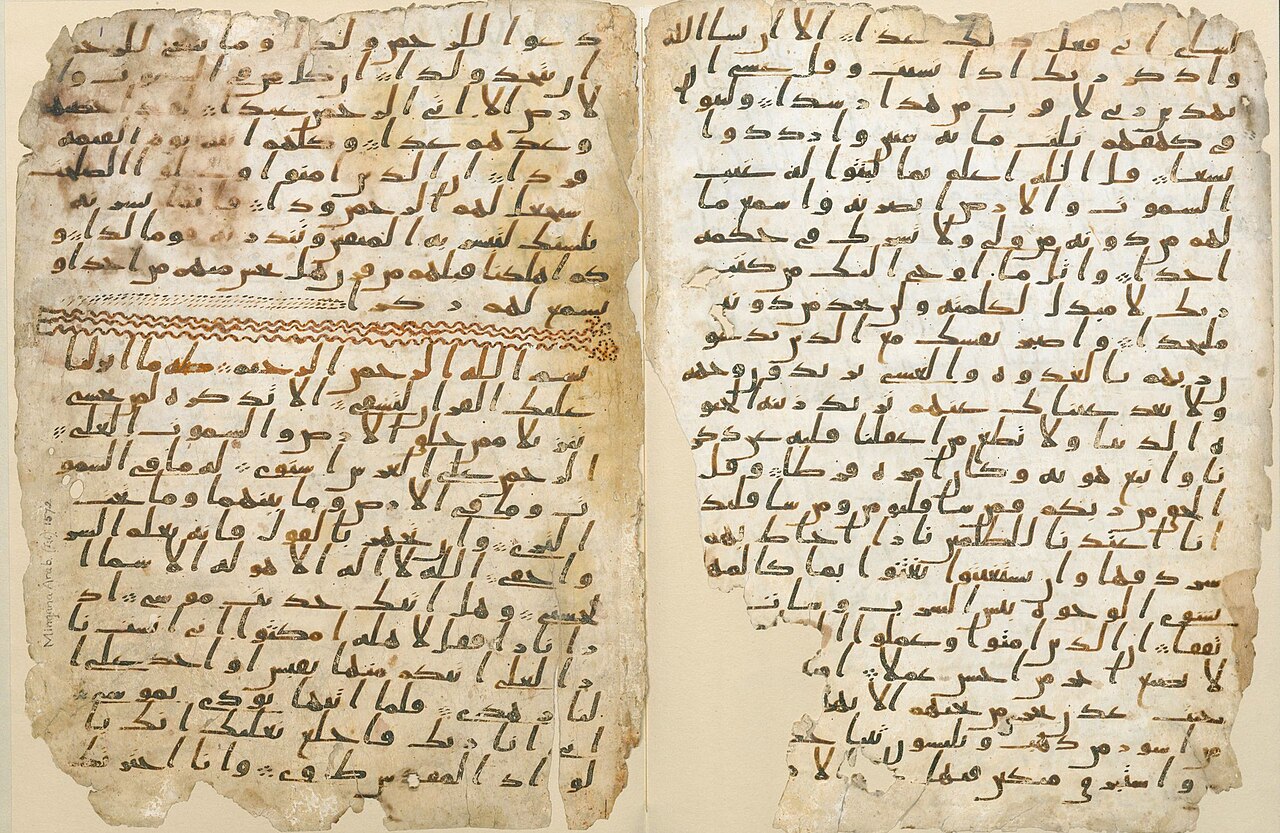
Photo: Unknown / Wikimedia Commons (public domain)
Source: Sarabangla




Comments
(0)